BIBIR - NGO, Ghana
Seamstress training for 30 girls from Fuo Communities in Tamale who have Dropped out of School.
Project name: BIBIR NGO
Project location: Project will be located at Fuo community about 37km from the city of Tamale, Ghana
Website: http://bibir.yolasite.com
Facebook: https://www.facebook.com/BibirGhana/
Project description:
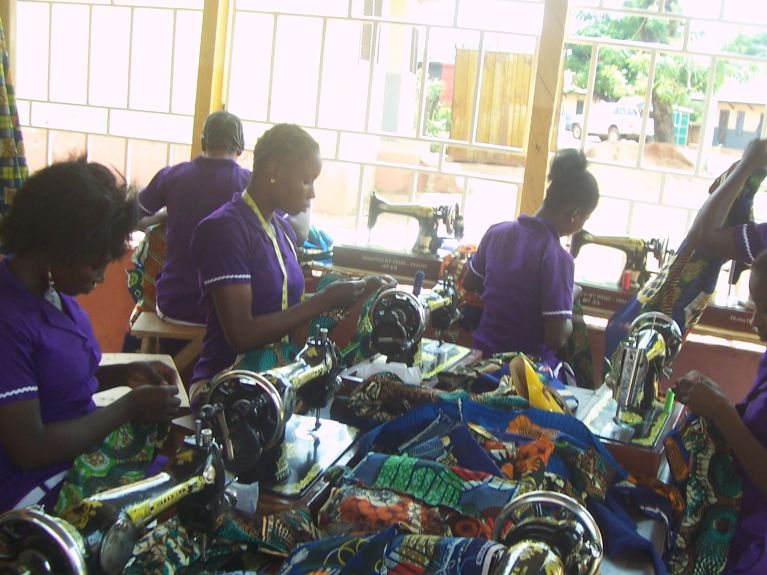
We’re enabling girls from Fuo communities who have had to abandon their education to receive seamstress training. Often these girls are forced to migrate to the South in search of work and work as “kayaayei” ("kayaayei" are girls who carry loads from one place to another for money), but this training will allow them to stay in their communities and safely make a living, and eventually help other girls to do the same.
Goal and purpose of the project:
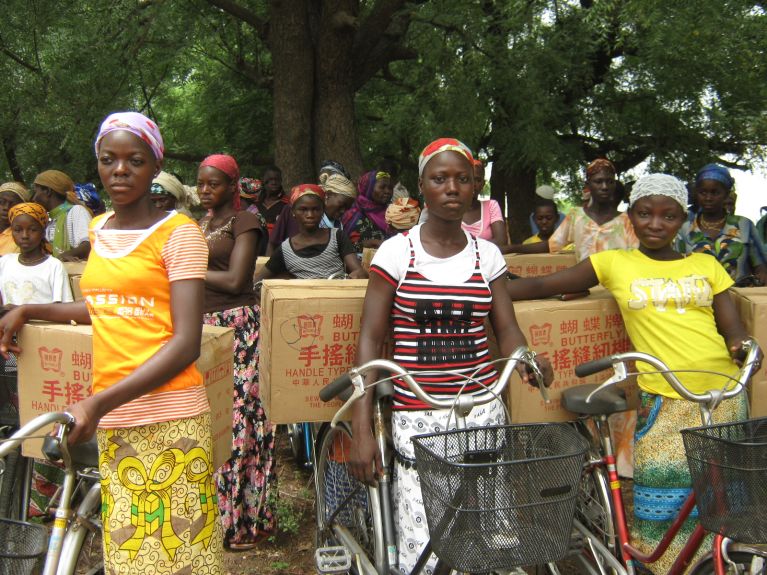
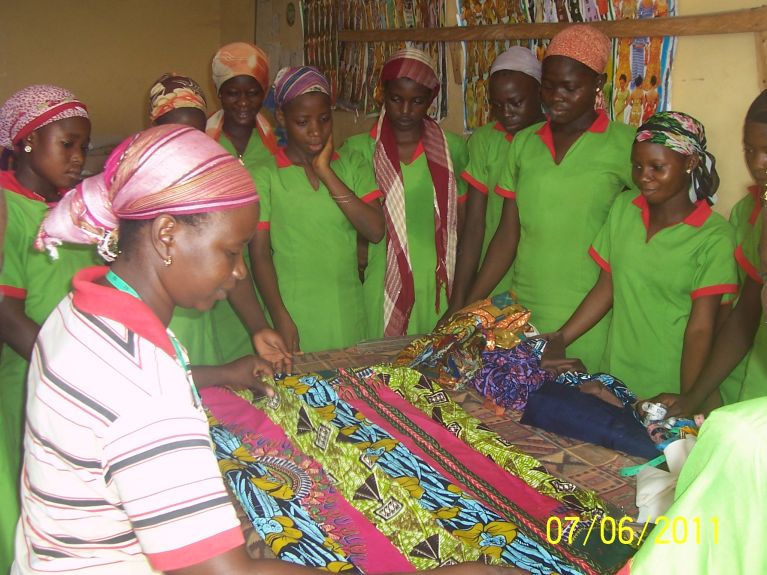
Extreme poverty often forces girls from the northern regions of Ghana to make the decision to abandon their education and go in search of work in the south. When they arrive in the south they are often sexually exploited and end up on the streets. BIBIR is working to provide re-settlement packages for 30 girls from Fuo, including seamstress training, which allows them to settle in their community and work to support their families. We are also working to provide bicycles to the girls so they can travel the 33-37km from Fuo to the Training Centre in Tamale more easily and safely.”
Providing training opportunities like this to 30 girls will help prevent the migration of young girls from their communities in the north to the big cities in the south and stop them from facing the risks there. Seamstress training will help reduce poverty by providing jobs for them in their own community and the surrounding communities. On top of this, the project will also provide for the needs of the girls’ families
Motivation of the applicant / applicant team:
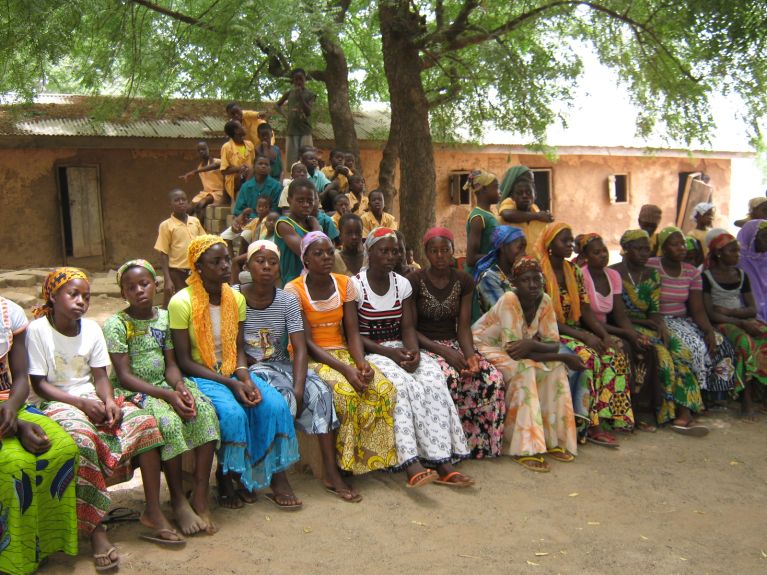
I have been assisting with my team the various communities where young girls have dropped from school going to migrate to the southern part of Ghana since 2005. BIBIR has supported more than 5 communities and about 80 girls in the skill training of sewing. I have given a lot of guidance to foreign and local students in their research work in this area. I have also granted many interviews to radio stations and journalists on the work of "kayaayei" girls. we have many publications of our work in the dailies.
Use of prize money:
This money when given will encompass the training of 30 young girls in sewing and education on sexual and Reproductive Health. We have done the needs assessments and have found out that most of these girls from rural communities do not practice safe sex. So a curriculum is being developed with some experts to inculcate it in their training.