“We’re in an information war”
Two influencers share insights from their fight against disinformation. Both are participants in a project run by the Aspen Institute Germany.
 Protokolle: Johannes Göbel
 The Aspen Institute Germany, an independent, non-partisan and non-profit organisation and think tank in Berlin, has in recent years repeatedly invited international participants to take part in its #InfluencersAgainstDisinfo project, organising workshops and study trips to address the topic of disinformation on social media with them. Two of the project participants explain why they believe it is important to fight for a fact-based online discourse.
Bianka Fuller, a psychologist from Budapest in Hungary
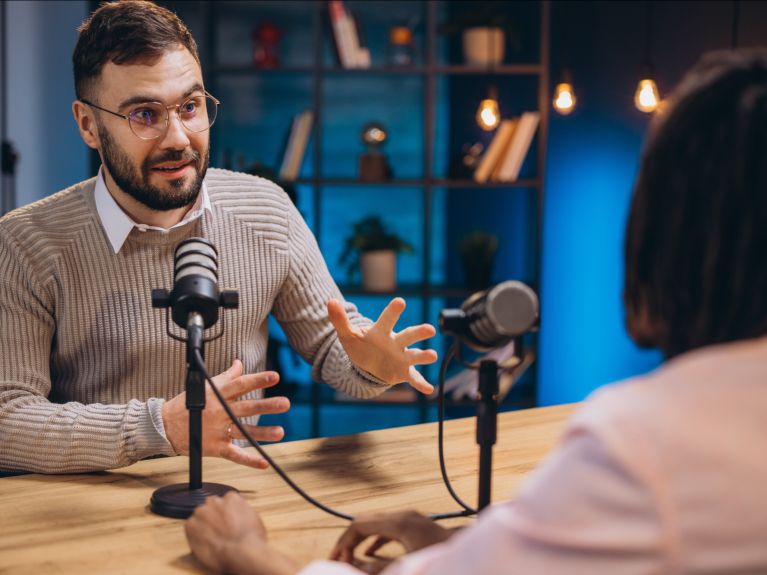
“I work as a psychologist and see first-hand how much misinformation about mental health conditions affects people. Simplifying psychological and medical content can be useful in making these important topics more accessible, but it must be done responsibly and based on facts. Taking part in the Aspen Institute Germany’s #InfluencersAgainstDisinfo project has made me even more aware of the dangers of misinformation – and I want to use my media work on Instagram, TikTok and my podcast to help people quickly spot fake news in the field of health. Through the #InfluencersAgainstDisinfo events, I’ve seen just how many ways there are to combat disinformation. In Hungary, under the Orbán government – which was voted out in April 2026 – we were exposed to state propaganda for a long time. It is good to realise that we do not have to accept this – and that it is worth remaining vigilant in the future too.”
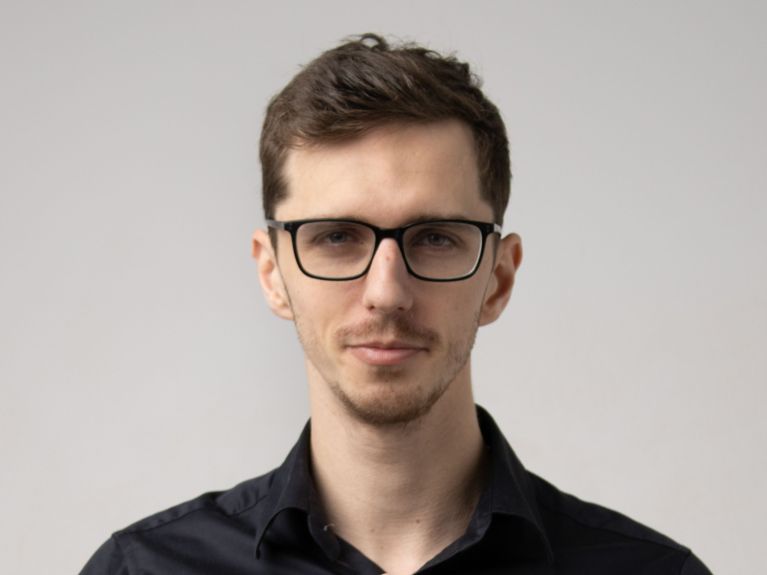
Svatopluk Barek (28), a content creator from Chýně in the Czech Republic
Critical thinking is becoming increasingly important, particularly in light of the growing manipulation facilitated by artificial intelligence. That is why I have developed the video course #GeneraceAI for school pupils to help them better understand the far-reaching impact of this technology. It is important to me to educate people about political issues, from Russia’s war of aggression against Ukraine to the significance of climate change. A few years ago, I launched a podcast with some colleagues. In it, I always discuss a current topic with two other people. The key point is: we show that you can hold different opinions and still debate constructively with one another. Such a culture of debate can foster trust and that trust is essential for the stability of a democracy. The producers of fake news and propaganda aim to undermine this trust. Russia, for example, launched an information war long before the full-scale invasion of Ukraine, which is why it is so important that countries like Czechia and Germany step up the fight against disinformation.”


