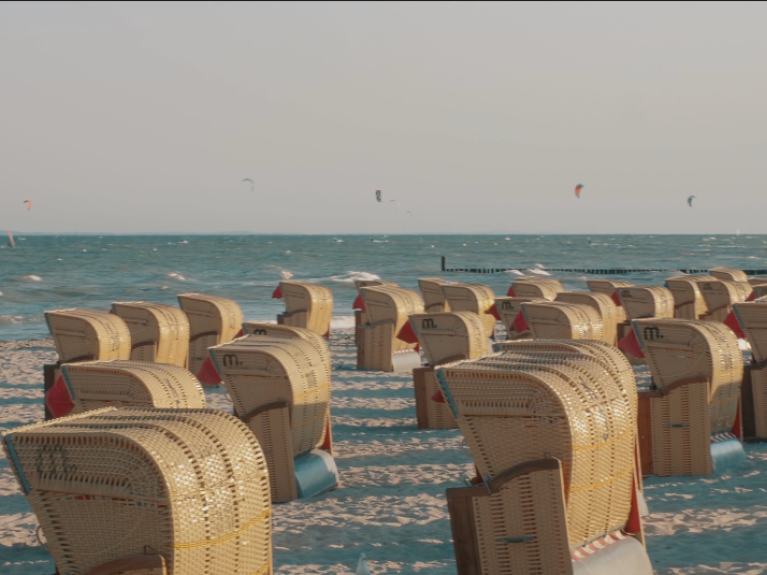
Germany’s best beaches
Five beaches you will love - with seals resting on sandbanks, deer walking along the shore and seaside resorts facilitating luxurious vacations.
 Johannes Göbel
 Sankt Peter-Ording: sheep, seals and sports galore
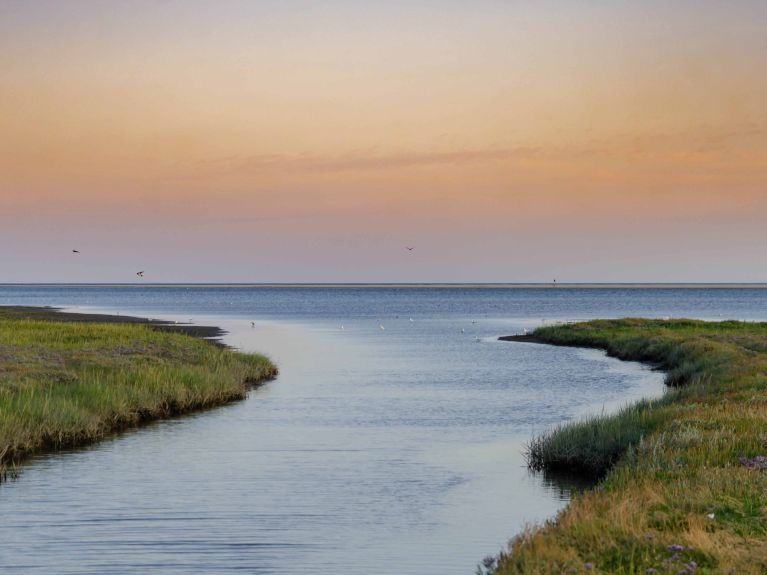
Sankt Peter-Ording, at the heart of the Wadden Sea National Park, is an enjoyable place to be for human beings and animals alike. Sheep can be seen grazing near the coast on the Eiderstedt peninsula, while seals are resting on sandbanks, taking in the sunshine. The summer months are filled with various sporting highlights: events are held in Sankt Peter-Ording as part of both the California Windsurf Cup, Germany’s most important wind surfing regatta, and the world’s biggest kiteboarding competition California Kitesurf Masters.
Sylt: natural wonder in the far North
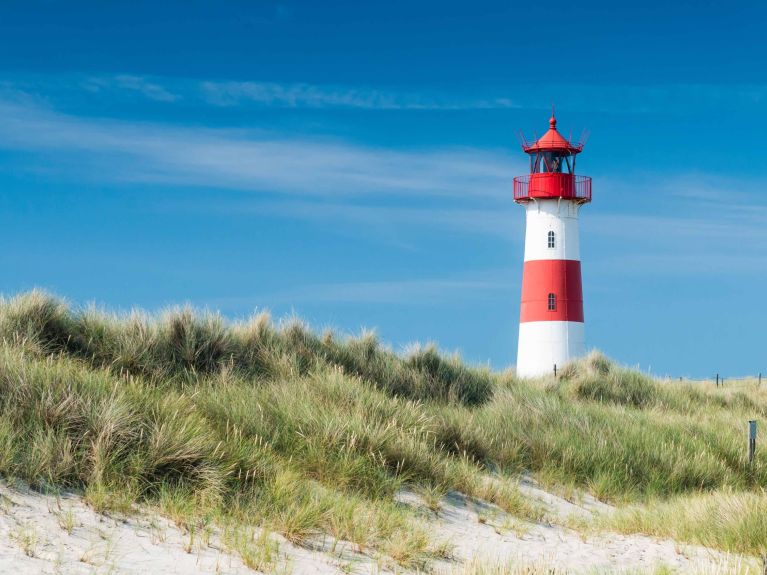
Just like the North Sea islands of Föhr and Amrum, Sylt too has numerous popular beaches, such as Germany’s northernmost point Lister Ellenbogen. Free-roaming sheep, picturesque lighthouses and dunes are all characteristic parts of the landscape. However, the Ellenbogen is not suitable for swimming, as the ebb and flow of the tides are too powerful: 500 million cubic metres of water are flowing back and forth, creating impressive eddies.
Fischland-Darß-Zingst: peninsula with red deer
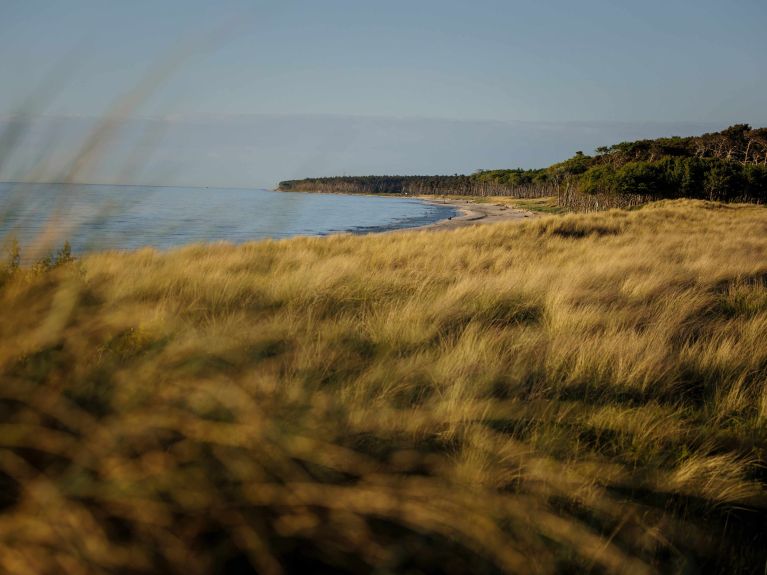
Fischland-Darß-Zingst on the Baltic coast is advertised as “Germany’s most beautiful peninsula” and visitors are attracted by expansive sandy beaches that are perfect for swimming. The peninsula does not fail to impress with its natural wonders: red deer can be seen walking along the shore, and the Darß Forest is among Germany’s oldest coastal forests. Many visitors enjoy taking pictures of the windswept trees known as Windflüchter.
Rügen: strolling along and across the Baltic Sea
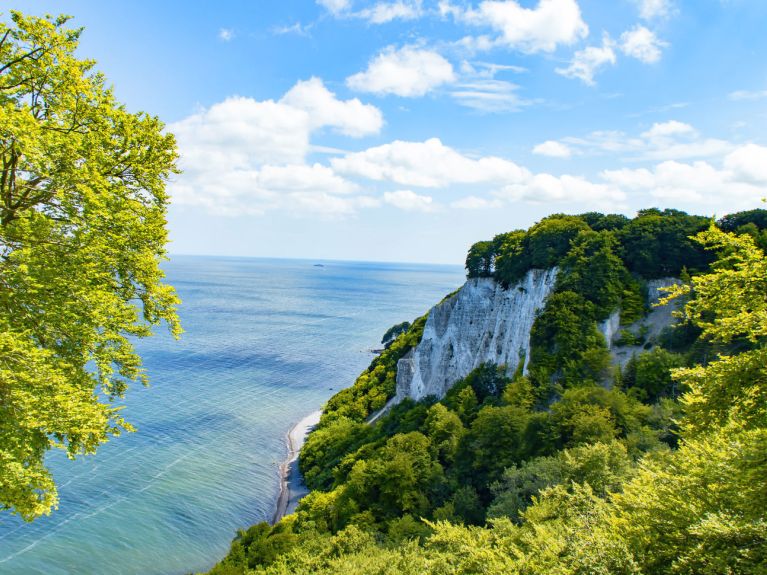
Rügen, the biggest of the Baltic islands, is characterised by its extraordinary atmosphere that is most obvious in the island’s best-known seaside resort Binz. The Kurhaus was built in the neoclassical style in 1908 and is now a luxurious hotel. Guests can stroll along the fine sandy beach or the 370 metres long pier across the Baltic Sea. From the sea you can see Rügen’s chalk cliffs, the island’s most prominent landmark that is depicted in Caspar David Friedrich’s famous painting.
Usedom: attractive architecture, expansive seafront promenade
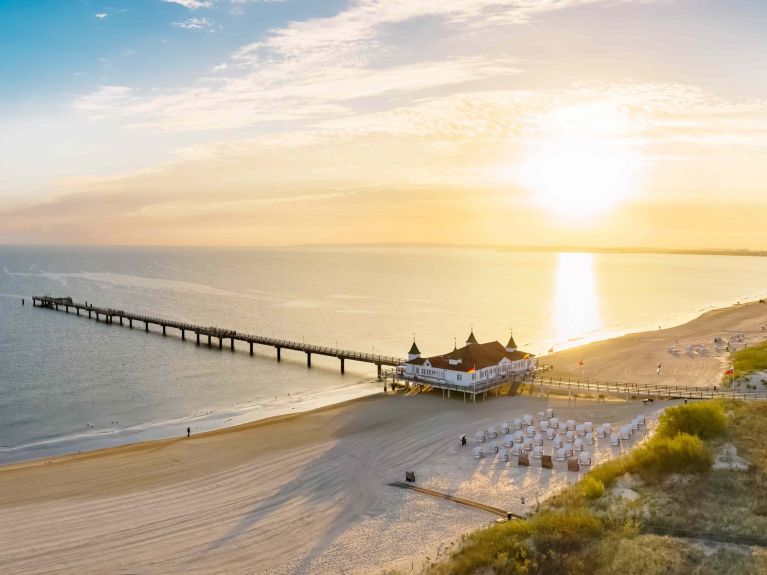
The beach front of Ahlbeck on the Baltic island of Usedom is characterised by its 19th century Gründerzeit resort architecture. The Ahlbeck pier that was built in 1898 is considered Germany’s oldest existing pier and is a great place for a stroll. The same is true of Europe’s longest seafront promenade that connects Ahlbeck with Świnoujście in Poland, as well as other towns.


