“Every block stands for a human being with their own history.”
Taking care of Stolpersteine and exploring Jewish stories: the teacher Julia Gerlof talks about the ways in which her students at SchuleEins in Berlin are keeping memory alive.
 Ina Brzoska
Ms Gerlof, your school was once an orphanage for Jewish children. What are some of the questions 14-year-olds ask when they look into these children’s lives in the National Socialist era?
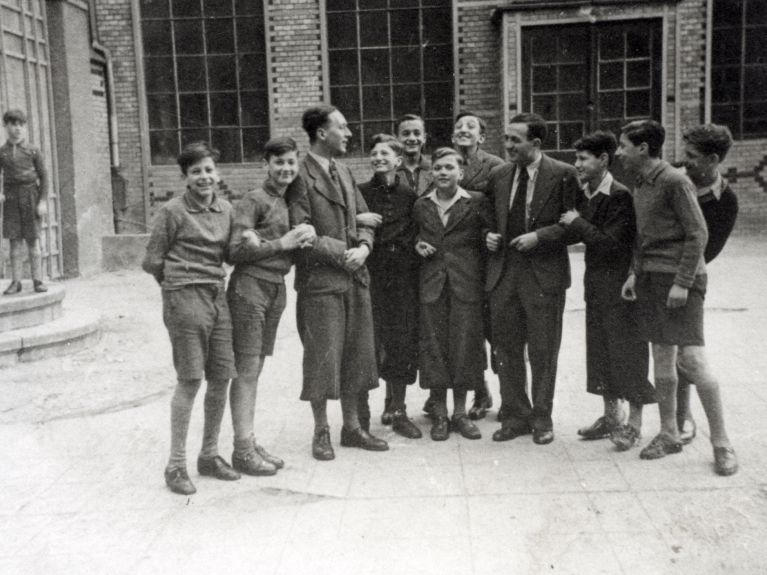
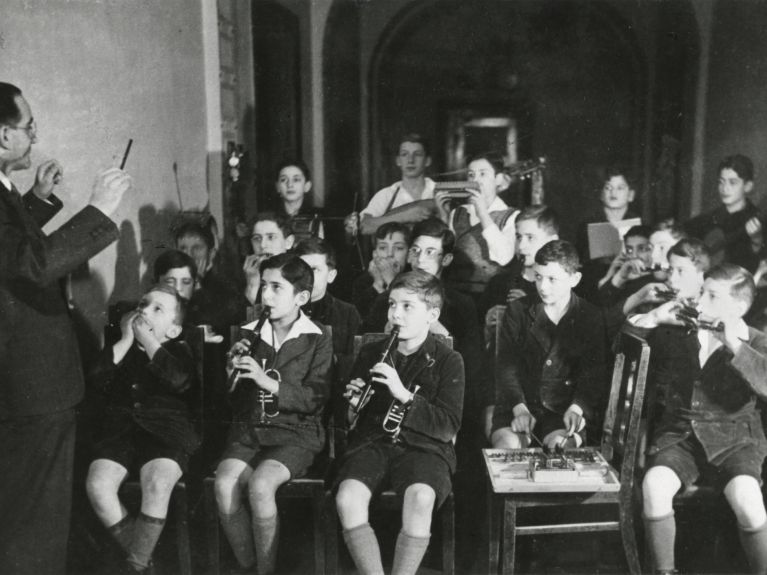
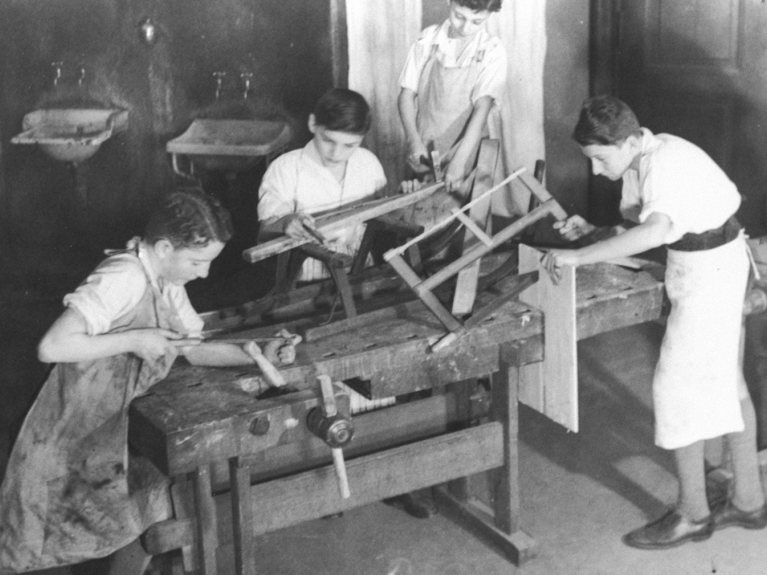
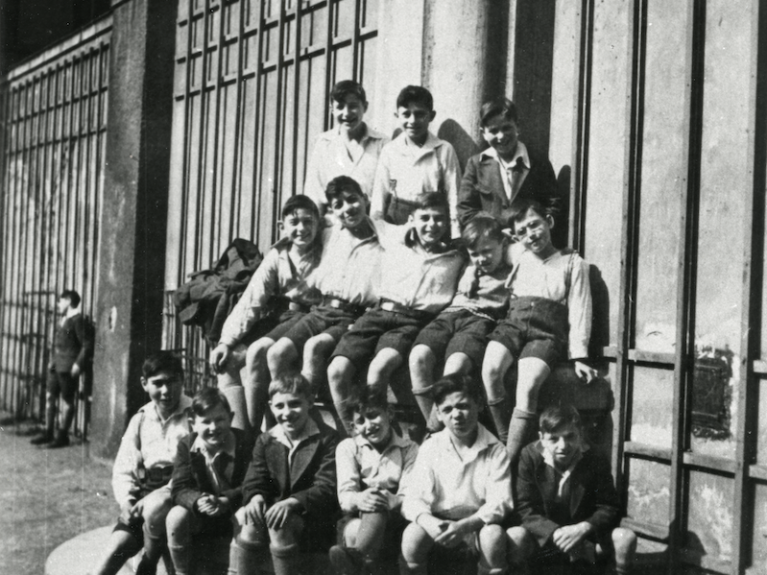
They often ask about everyday things: What did the children eat back then? What were their hobbies? Did they play football? Did they hate maths just as much as pupils do nowadays? The children that used to live in the orphanage were around the same age as our pupils. We use questions like these to explore biographies. And then we address some big differences: what are the opportunities available to our pupils now that these Jewish children were robbed of?
What does the history of the place mean to you personally?
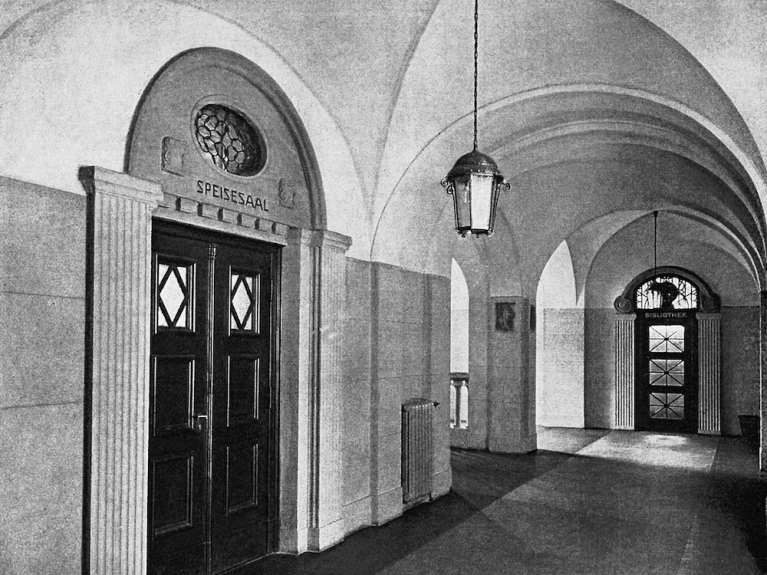
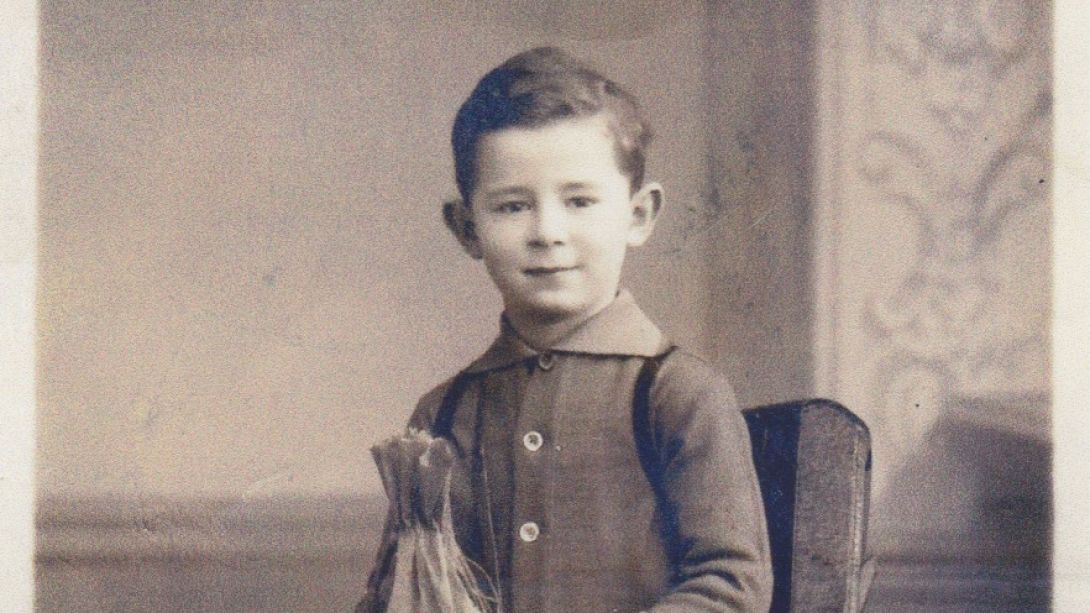
When I step into my classroom in the morning, I am aware of the fact that Jewish children used to sleep here. In the Nazi era, more and more children came here, because they were no longer allowed to attend state schools. To begin with, the house was a relatively safe place. However, persecution increased rapidly in the 1930s. Some children were able to flee abroad, others were deported. We still do not know what happened to many of them.

It is often claimed that young people are hardly interested in history anymore. What is your experience in this respect?
Young people are still interested in history. Their questions sometimes take us in completely different directions than those planned by us teachers. That’s what makes teaching so interesting.
When I step into my classroom in the morning, I am aware of the fact that Jewish children used to sleep here.
How do the teenagers explore the Jewish children’s lives?
We have an orphanage working group as an extracurricular activity, where the kids go looking for clues themselves. Rather than just working on exercises from a history textbook, they do their own research about the building’s history and its former residents. This involves coming across gaps and unanswered questions. That, too, is a part of historical research.
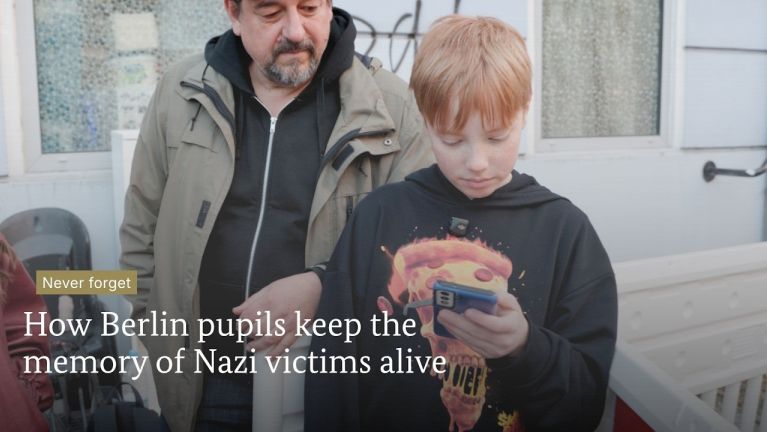
The pupils also take care of Stolpersteine, which are little memorial blocks topped with brass plates that were placed on the pavement to commemorate victims of National Socialism. What makes this work so important?
Many of the kids walk past Stolpersteine on their way to school everyday, without paying any real attention to them. We would like to raise awareness. Every block stands for a human being with their own history. Who was this person? How did their family live? What happened to them? By cleaning the blocks and looking into the stories of these people, the teenagers are keeping their memory alive.
Dieses YouTube-Video kann in einem neuen Tab abgespielt werden
YouTube öffnenThird party content
We use YouTube to embed content that may collect data about your activity. Please review the details and accept the service to see this content.
Open consent formYoung people come across right-wing content and fake news on social media. Is this an issue at your school?
Very much so. We keep encountering semi-knowledge and fake news in class. I find it important that the pupils learn to evaluate information critically. To this end, we are working with original historic sources, such as the minutes of the Wannsee Conference. The National Socialists speak of the “final solution to the Jewish question” here. We explore together how they used language to conceal their crimes. The ability to look at something closely and review statements critically is something that young people need in their digital everyday lives, too.
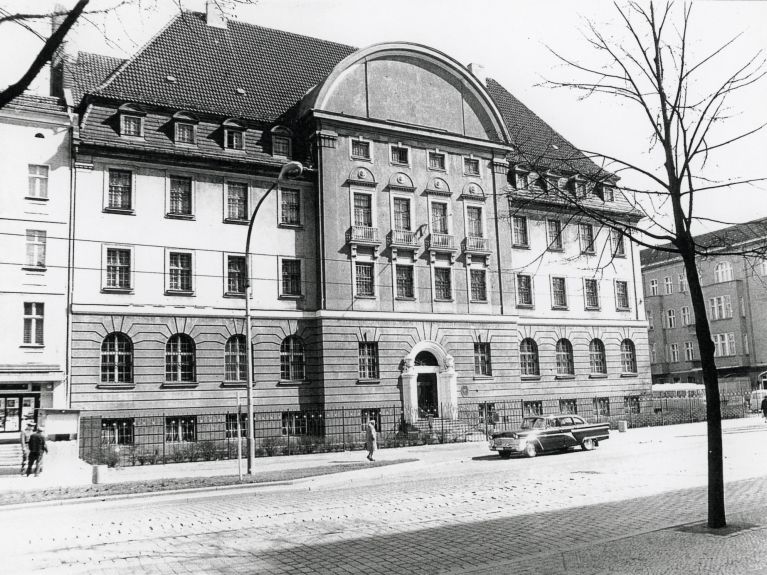
Up to 100 Jewish children lived in the orphanage in Berlin-Pankow that was designed by the architect Alexander Beer and built between 1912 and 1913. Some former residents returned decades later, such as Leslie Baruch Brent (1925–2019). He had come to England on a Kindertransport in 1938, and went on to become a well-known immunologist. The former prayer room is now named after him. There is a permanent exhibition to commemorate the children and their stories. The private school SchuleEins uses a part of the historic building that is managed by the Cajewitz Foundation.
Any questions? Search with our AI assistant
- How does the political system in Germany work?
- How much does it cost to study in Germany?
- Which traditions and festivals are typical of Germany?
- What is the best way to learn German?
- Who governs Germany?
- Which industries are particularly important to the German economy?
- Which political parties are there in Germany?
- Why is Germany considered a leading exporting nation?
- How do I apply to study in Germany?
- What opportunities does Germany offer international startups?
- How diverse is the German cultural scene, and what role do art, music and literature play?
- What cultural differences are there between Germany's regions?
- Which degree programs and universities are especially popular in Germany?
- How can I find a job in Germany as an international skilled worker?
- Why was Germany divided after World War II?
- What requirements do I need to meet to be allowed to work in Germany?
- Do I need to speak German to work in Germany?
- How high is the cost of living in Germany?
- How does the German healthcare system work?
- What should I keep in mind when moving to Germany?
- How did reunification come about?
- How does Germany deal with its National Socialist past?
- What level of German do I need to study in Germany?
- In which countries is German spoken?


