Time travel under the open sky
Open-air museums in Germany: at these four sites, you can find out how people lived there thousands of years ago.
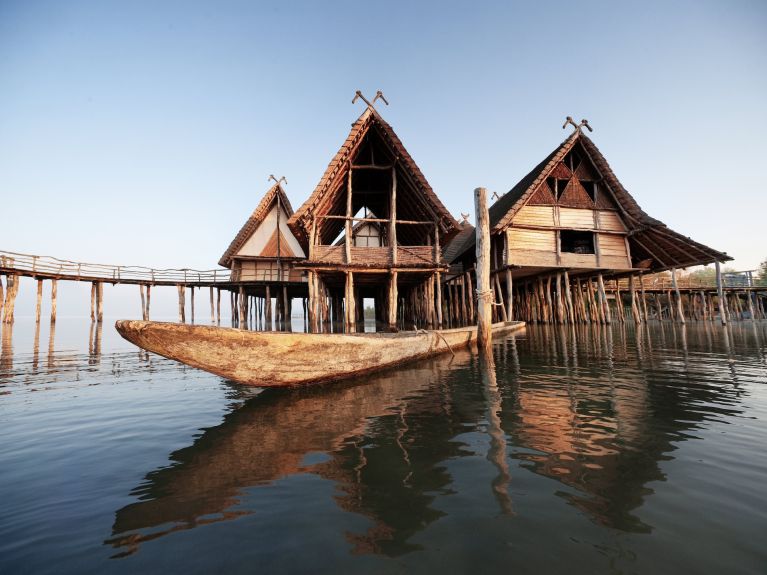
Unteruhldingen Pile Dwellings at Lake Constance
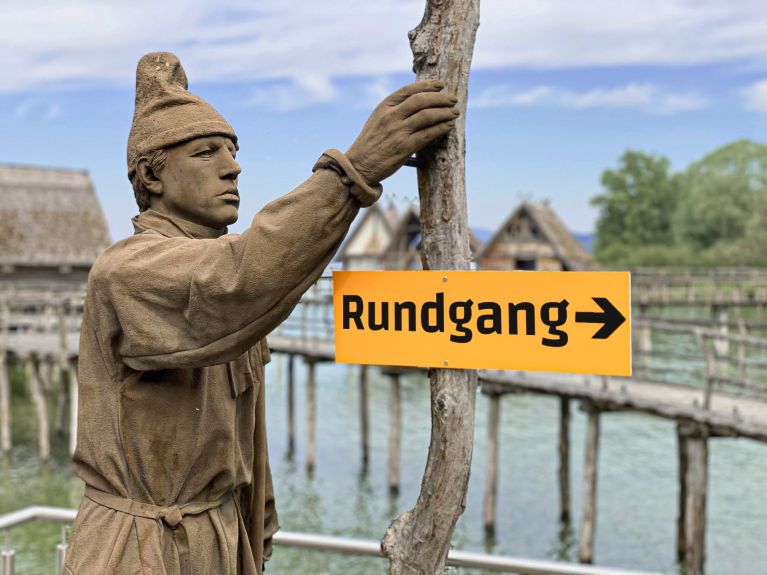
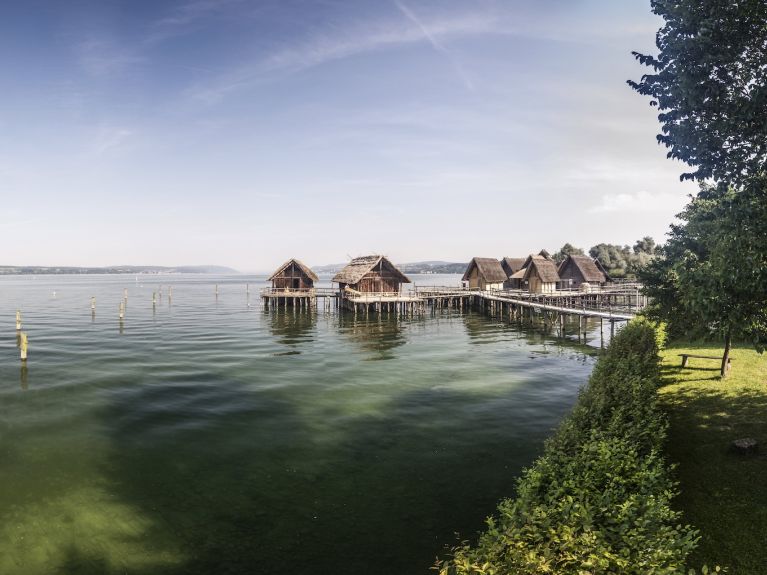
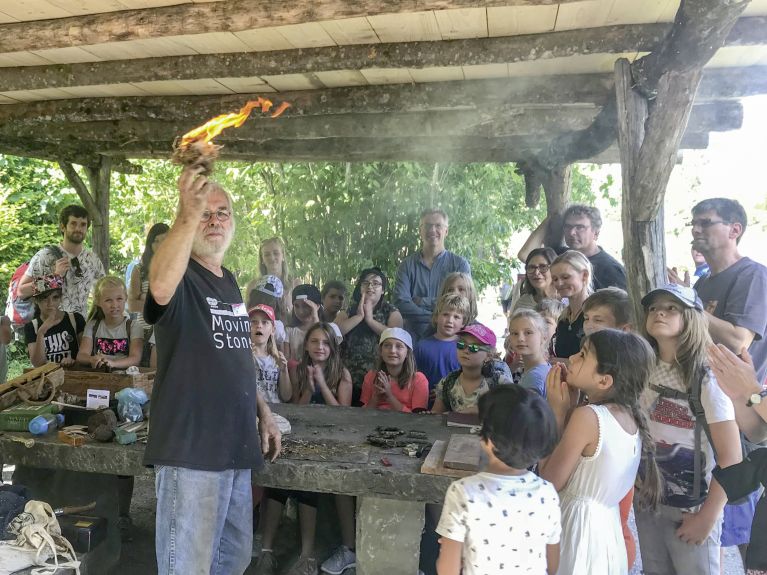
Divers discovered a sunken world in Lake Constance: they found the remains of some 100,000 stilts that were once used to build huts in the water. At least eight settlements are believed to have stood close to the present-day village of Unteruhldingen in the period between 3,900 and 850 BC. Starting in 1922, some of the pile dwellings were rebuilt – today they form the oldest open-air museum in Germany and are included on the UNESCO World Heritage list as “Prehistoric Pile Dwellings around the Alps”.
Xanten Archaeological Park
Visitors to the Lower Rhine region can take a trip into antiquity. Germany’s largest archaeological open-air museum is situated close to the Dutch border. It is to be found on the site of the former Roman city of Colonia Ulpia Traiana, which was home to more than 10,000 people - which is the exact same number that can fit in the city’s amphitheatre. Today, it is possible to visit replicas of the amphitheatre and a temple, among other things. Xanten Archaeological Part is part of the UNESCO World Heritage site “Frontiers of the Roman Empire – The Lower German Limes”.
Viking Museum Haithabu, Schleswig
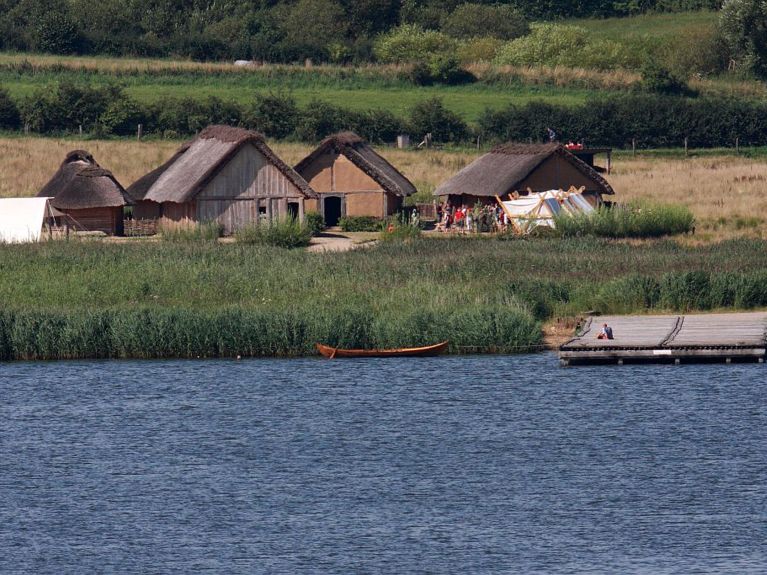
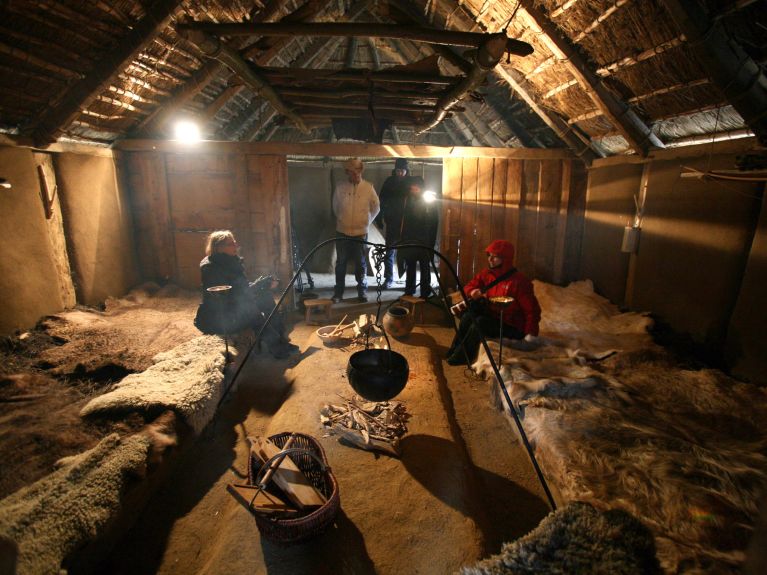
Off to the tenth century: Haithabu was one of the most important trading centres of the Vikings and thus of all Northern Europe. The Viking Museum Haithabu brings this period back to life: reconstructed dwellings and boats combined with models and original finds, as well as actors in Viking costume, take visitors on a journey into the everyday life of a Danish settlement 1,100 years ago.

Detmold Open-Air Museum, Detmold
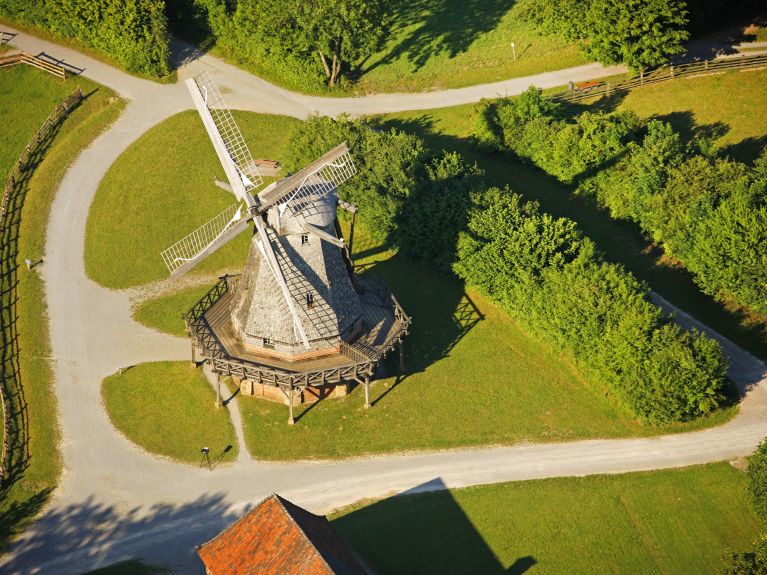
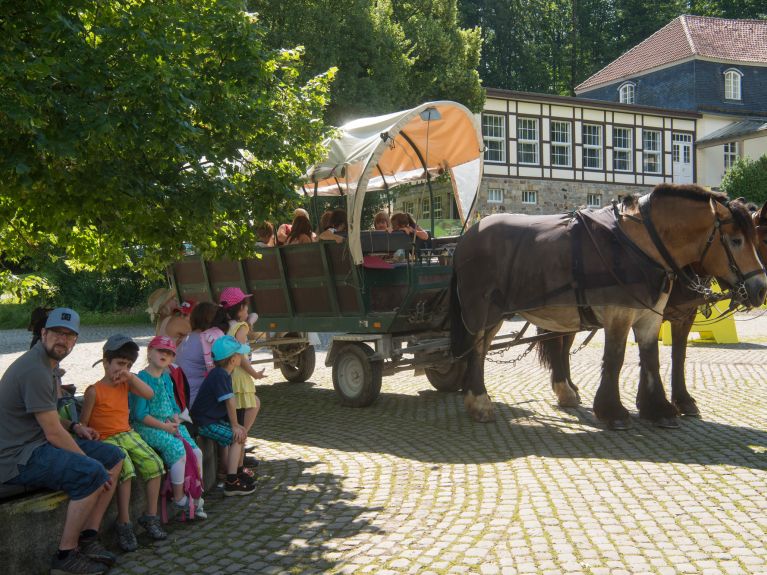
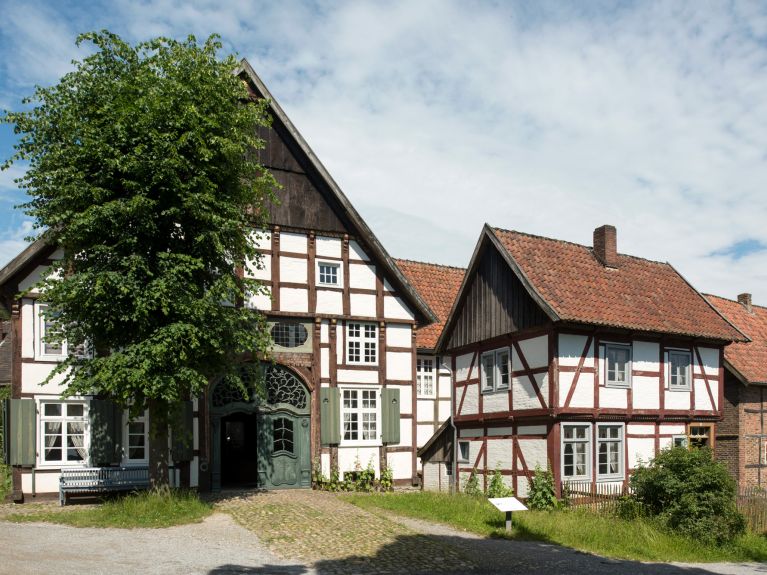
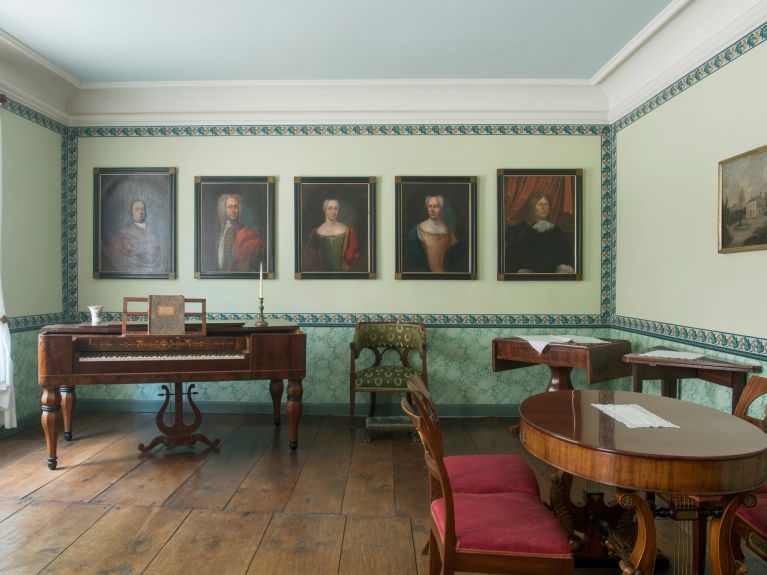
It is the largest open-air museum in Germany: more than 120 historical, originally furnished buildings from 500 years of history await visitors to the LWL Open-Air Museum Detmold. Many old breeds of domestic animals and old plant varieties complete the impression of a lively journey through time.