“The level of support is overwhelming”
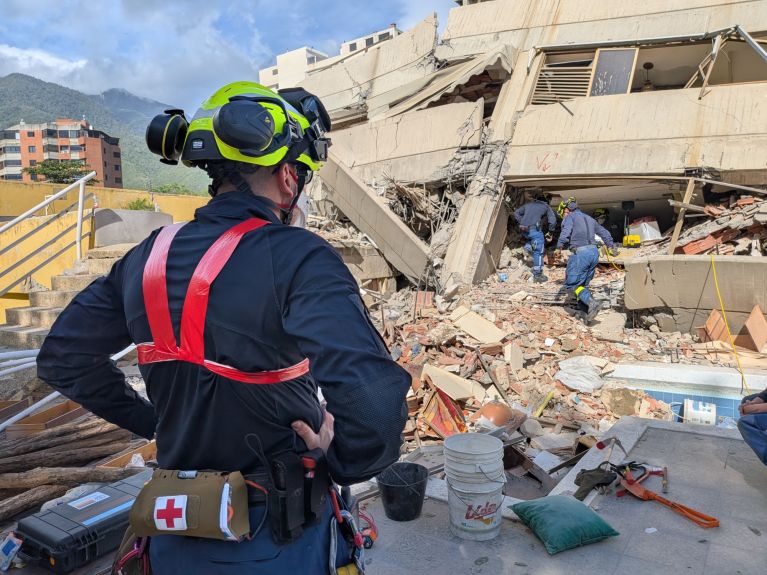
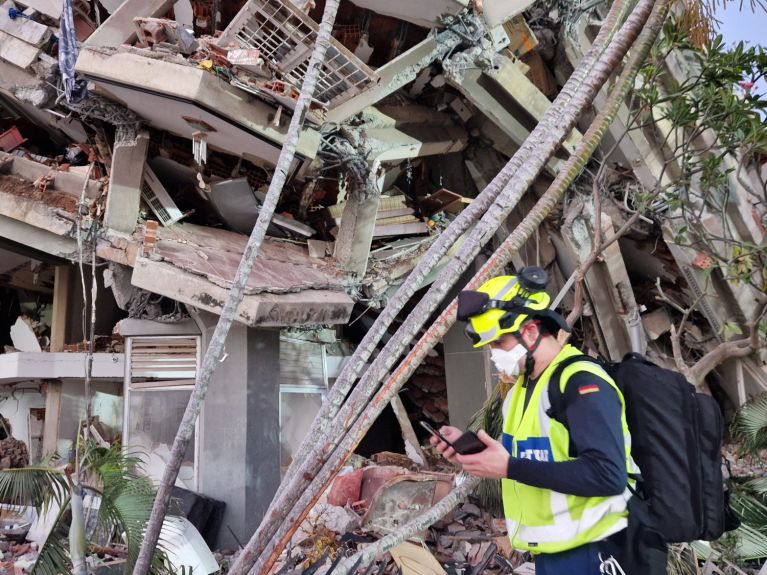
48 volunteers from the Federal Agency for Technical Relief (THW) are looking for people buried under rubble in Venezuela. THW President Sabine Lackner spoke about the mission in an interview.
 Interview: Ralf Isermann
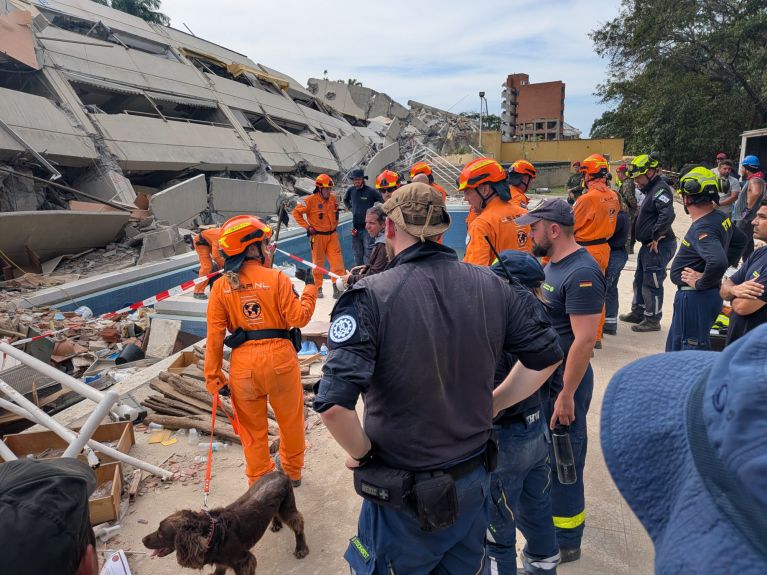
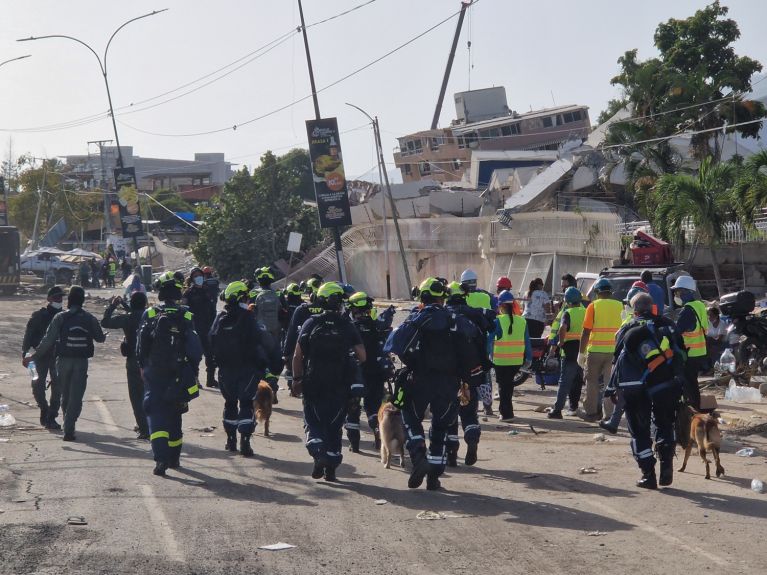
 Soon after the devastating earthquake in Venezuela, the Federal Agency for Technical Relief (THW) initiated a rescue mission with its Rapid Deployment Unit for Rescue Operations Abroad (SEEBA). A team of 48 is looking for people who are buried under rubble. THW President Sabine Lackner spoke about the mission in an interview.
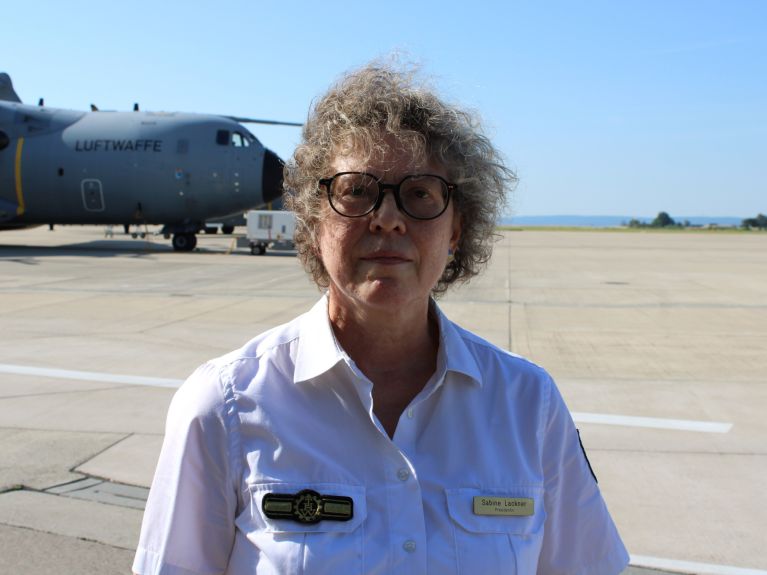
What is the current status of the mission?
Together with colleagues from Spain, we as the THW are in charge of coordinating ten international teams. There are a total of 49 teams on site, the level of support is overwhelming. Again and again there are moments in which there is hope that more people buried under rubble can be found. Together with personnel from the Netherlands, we’ve just been to a place where people had heard knocking sounds. Sadly, we did not find any survivors there. The international teams have been able to save nine people so far. Rescue operations are still underway for another eight people. Four people were found dead by the international teams. In sad cases like these, it is still important for the families to know. The first 72 to 80 hours are decisive in a mission following an earthquake, but there are cases where survivors are still rescued outside this typical survival window.
Can you tell us more about the team?
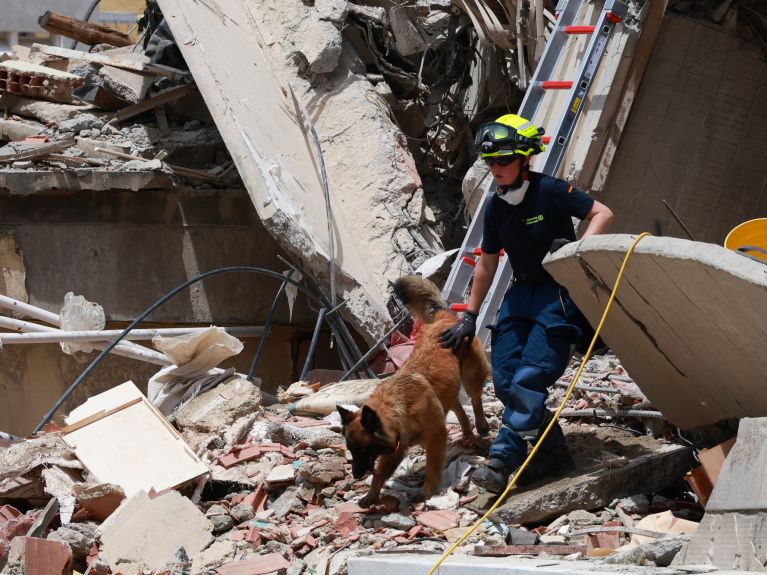
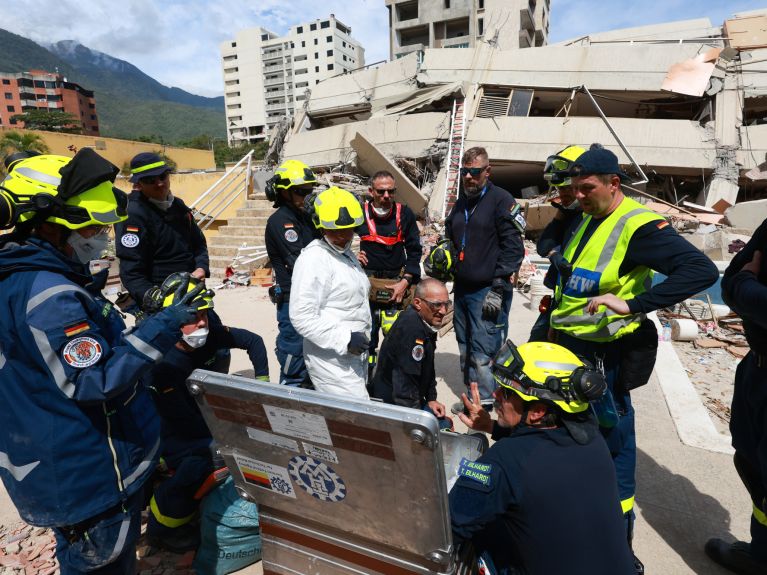
The team we sent to Venezuela had just returned from a four-day exercise. They’d barely arrived back home when they needed to take off again. I am very proud of the team. The group is a good mix in terms of experience. It is the 20th mission for one of the team member, and the first one for another. One of the four rescue dogs is ten years old, another one only two, but also really well trained.
Are you happy with how the rescue mission has been going?
We visit many places around the world where disasters have happened, such as Turkey and Syria following the bad earthquake in early 2023. International aid missions started incredibly quickly here in Venezuela last week. The Venezuelan government asked for help very rapidly. On the German side, things such as funding and support from the Federal Armed Forces were then coordinated and organised very quickly. That was exemplary. Defence Minister Boris Pistorius immediately offered flight capacities in the shape of three type A400M aircraft. The response from the employers that needed to grant the volunteers a leave of absence was amazing.
How long will the mission be and is there going to be a follow-up mission?
We are currently planning for our team to stay on site until about the end of the week. We have offered to help in Venezuela beyond this, and are in permanent dialogue with the Federal Foreign Office in this context. Funding for such missions is handled by the Federal Foreign Office where everyone is very grateful for our support. Drinking water is an area where a follow-up mission might be relevant, as we have experts for water treatment. We are also able to provide the local population with aid supplies. However, any follow-up missions are still being discussed.


