What does “made in Germany” have to do with social justice?
Coal made Germany an industrial nation, but the miners of the time paid a heavy price. Zollverein Colliery in the Ruhr region tells the story of the origins of Germany’s welfare state.
 Stefanie Hardick
From coal mining to Germany’s welfare state
- Hard work, high risks: miners worked in extreme conditions. Accidents and illness threatened their livelihoods.
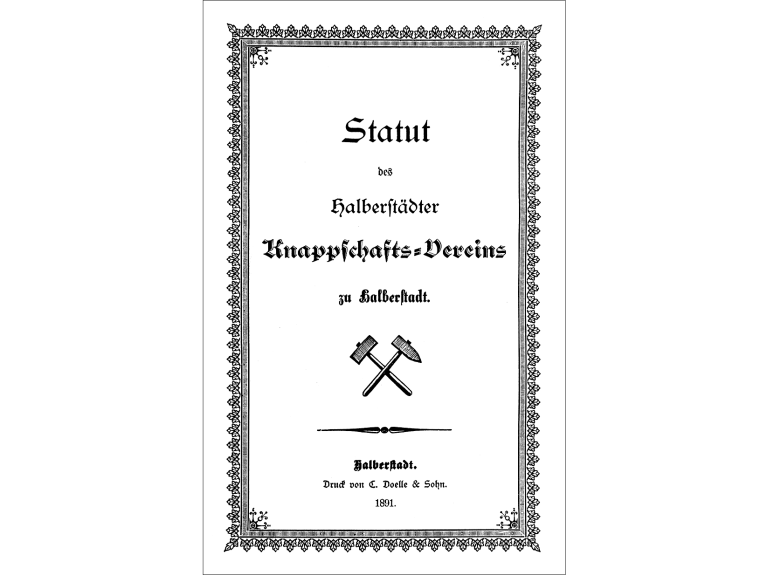
- Solidarity among miners: as far back as the Middle Ages, miners supported one another through mutual funds known as Knappschaften.
- The state steps in: in 1854, Prussia made membership of these miners’ funds compulsory. Employers were required to contribute, too.
- Social insurance takes shape: from 1883 onwards, Imperial Chancellor Otto von Bismarck introduced statutory insurance against illness, accidents and poverty in old age.
- Employee participation and social harmony: trade unions fought for workers’ rights. Since 1951, the Coal and Steel Co-determination Act has strengthened their influence in the coal and steel industries: Employees and employers were given equal numbers of seats on the supervisory boards of large companies. Later, trade unions and employers’ associations worked closely together to cushion workers from the effects of structural change in the Ruhr region. This cooperation is known as social partnership.
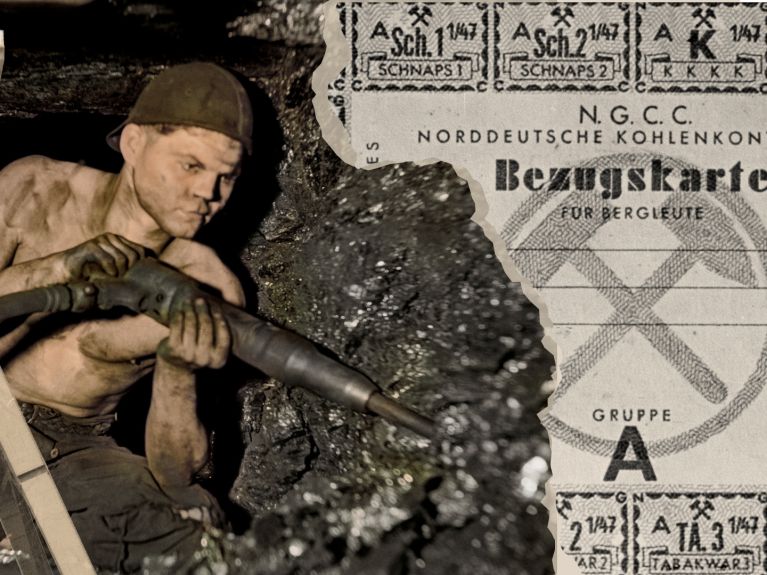
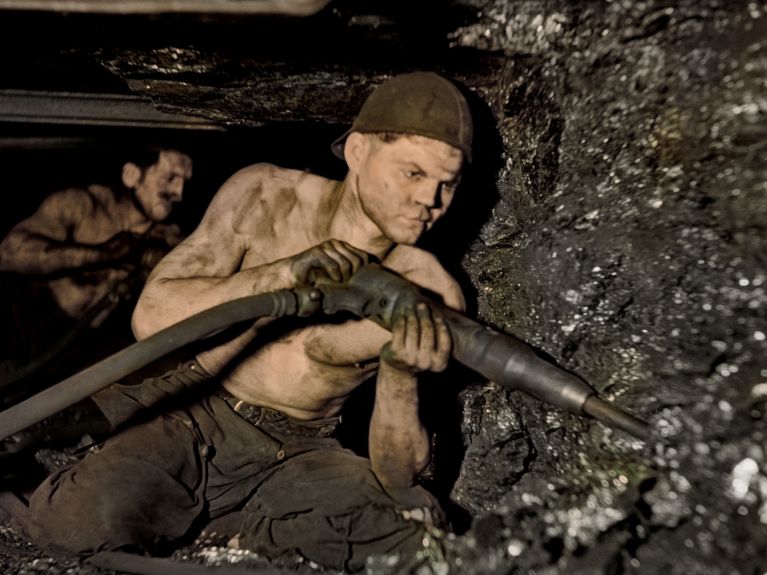
People going to work in Germany today rarely stop to wonder whether they will arrive home safe and sound that evening. For miners in the Ruhr region more than 100 years ago, that was far from certain. Hundreds of metres underground, the gruelling work began – what people in the Ruhr region still call Maloche. No daylight and barely enough room to stand upright. In narrow tunnels, the men hacked coal from the rock. Black dust covered their faces and penetrated their lungs. At any moment, mine gases could ignite and cause an explosion. Anyone who fell ill or had an accident here risked losing their livelihood. But how could miners and their families protect themselves against these dangers?
The answer takes us back to the roots of the German welfare state. In 1883, the German Empire introduced statutory health insurance for certain groups of workers. But its history goes back much further.
How did industrialisation change people’s lives?
Up until the 19th century, most people earned their living from farming or a trade. The steam engine gave rise to new industrial enterprises that needed ever more workers. This story is told at the Ruhr Museum, the regional museum of the Ruhr region, on the site of Zollverein Coal Mine. Social historian Ingo Wuttke is the museum’s curator of industrial and contemporary history. He says: “Even when the mine was founded in 1847, more workers were needed than lived in the surrounding villages.”
The men generally worked underground for more than ten hours a day, often hunched over, in temperatures of 40 degrees Celsius.
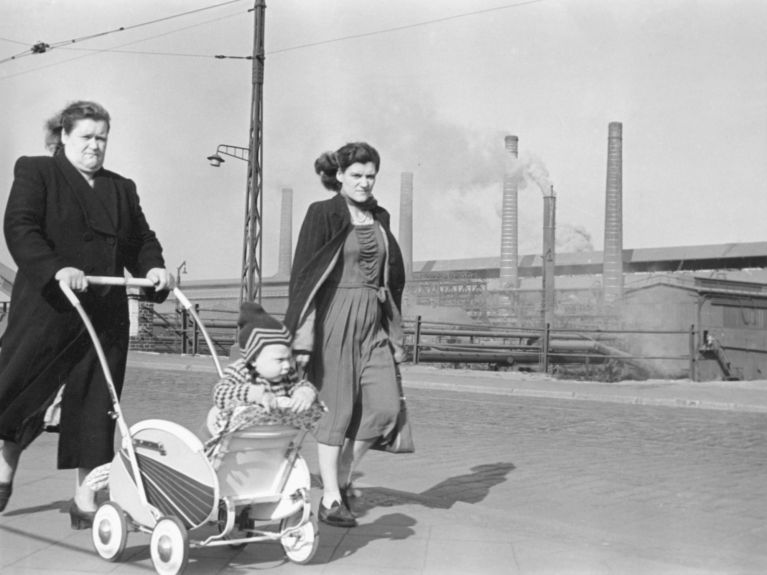
Mass migration began, with people arriving from across Germany and the Polish territories of Prussia. Rather than the sun, it was the factory siren that set the rhythm of daily life: work went on around the clock, with all the health risks associated with night work and rotating shifts. “The men generally worked underground for more than ten hours a day, often hunched over in low coal seams, in temperatures of 40 degrees Celsius,” says Ingo Wuttke. “You really had to be tough.”
What risks did the workers face?
One common illness among miners was silicosis, a form of dust-induced lung disease. “It makes breathing difficult. That’s why you often saw the men standing by an open window in their spare time,” Wuttke explains. “If someone said: ‘Rudi’s no longer at the window,’ it meant he’d died of silicosis.”
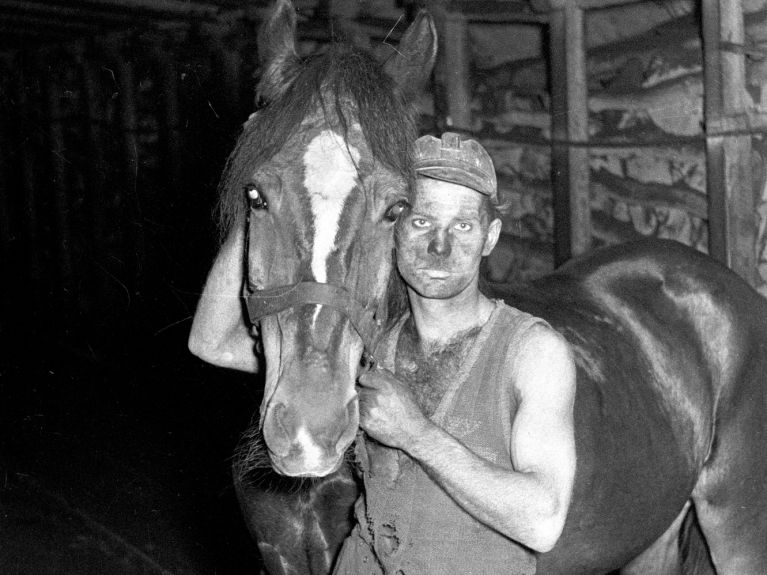
Accidents were common, too: miners were buried alive, suffocated by mine gases or killed by explosions of firedamp – a mixture of methane and air. Miners generally travelled up and down the shaft in a cage. If the cables snapped, the cage and the workers inside plunged to the bottom. As early as the Middle Ages, miners in German mining districts paid into mutual funds known as Knappschaften. These supported injured or sick fellow miners and the families of those who had died.
If mutual support already existed, why was the state needed?
From the middle of the 19th century onwards, wealthy entrepreneurs established ever larger coal mines. “The most valuable coal beneath Zollverein lies at depths of 600 to 1,000 metres,” says Ingo Wuttke. “The founder, Franz Haniel, had to bring in engineers from England and operate powerful steam engines to pump out the groundwater.” Compared with investments of that scale, workers were easily replaced.
What is more, many of the migrant miners failed to join a miners’ fund. So in 1854 the Prussian state made membership compulsory. The crucial point here was that employers were required to pay contributions, too. If they wanted to keep costs down, they had to make sure their workers stayed healthy and fit for work.
That sounds like a good solution. Or does it?
Wuttke illustrates the growth of industry taking the example of Essen: “There were nearly 300 collieries in this city alone. And coal was only the beginning – it was a raw material for the chemical industry. Coal was processed into coke to produce steel, or used to generate electricity.” By 1882, a third of Germany’s population were working in industry. Workers became a political force, forming trade unions and striking for more rights and better working conditions.
Fears of a revolution grew. Imperial Chancellor Otto von Bismarck responded with a two-pronged strategy: he cracked down on the labour movement while at the same time making health insurance compulsory for additional occupations in 1883. Accident insurance followed in 1884, and disability and old-age insurance in 1889. Bismarck’s implicit message to workers was: the state will look after you!
So was the state deciding what was best for workers?
This is certainly what Bismarck was trying to achieve. But the labour movement continued to fight for political rights and a say in decision-making. The National Socialist takeover in 1933 marked a decisive break: the Nazis destroyed the independent trade unions. From 1939 onwards, industrial corporations helped build up a vast armaments industry in which millions of forced labourers were exploited.
After the war, the Allies sought to break the power of the industrial corporations. Much of the industrial plant in eastern Germany was dismantled and taken to the Soviet Union, with most enterprises operating along Soviet lines up until 1989. In West Germany, trade unions were re-established: they demanded that the people rebuilding Germany should have a say in how the country was run, even threatening a general strike. So in 1951, the Federal Republic introduced co-determination in the coal and steel industries: ever since then, the supervisory boards of large coal and steel companies have included equal numbers of employee and shareholder representatives, plus one neutral member.
What has the social partnership between trade unions and employers achieved from today’s perspective?
There has long been debate about how social insurance should be funded. Some companies criticise labour costs and believe they put them at a disadvantage in international competition. Wuttke disagrees: “Steel production is still dangerous, for example. Here, high standards of occupational safety are simply essential. And that certainly isn’t the reason why it’s becoming harder to compete on the global market.”
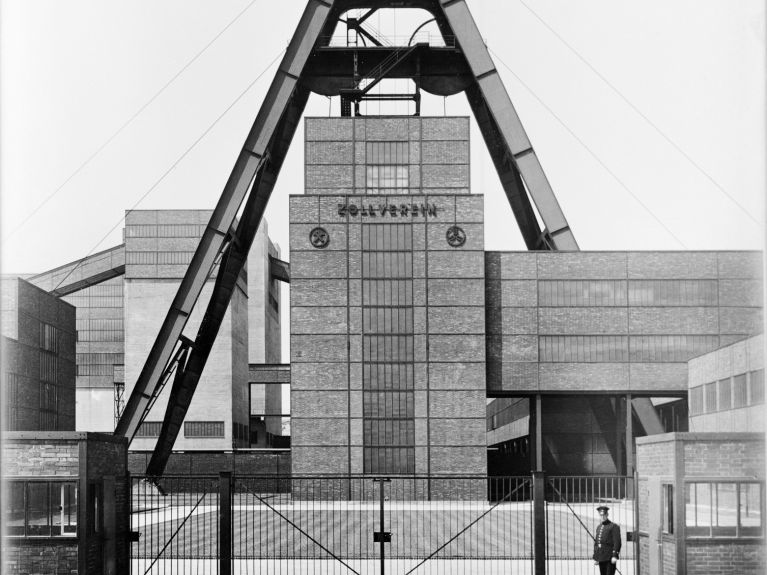
For the Ruhr region, social partnership between employers and workers was a blessing, Wuttke says: “When German hard-coal production became unprofitable, the aim was to ensure that no miner was left high and dry.” Trade unions and companies negotiated social plans, while the state encouraged new businesses to set up in the region. “Structural change cost billions, but it preserved social harmony,” says Wuttke. “And part of that transformation was preserving and restoring unique examples of industrial heritage.” Zollverein Coal Mine is one such example.
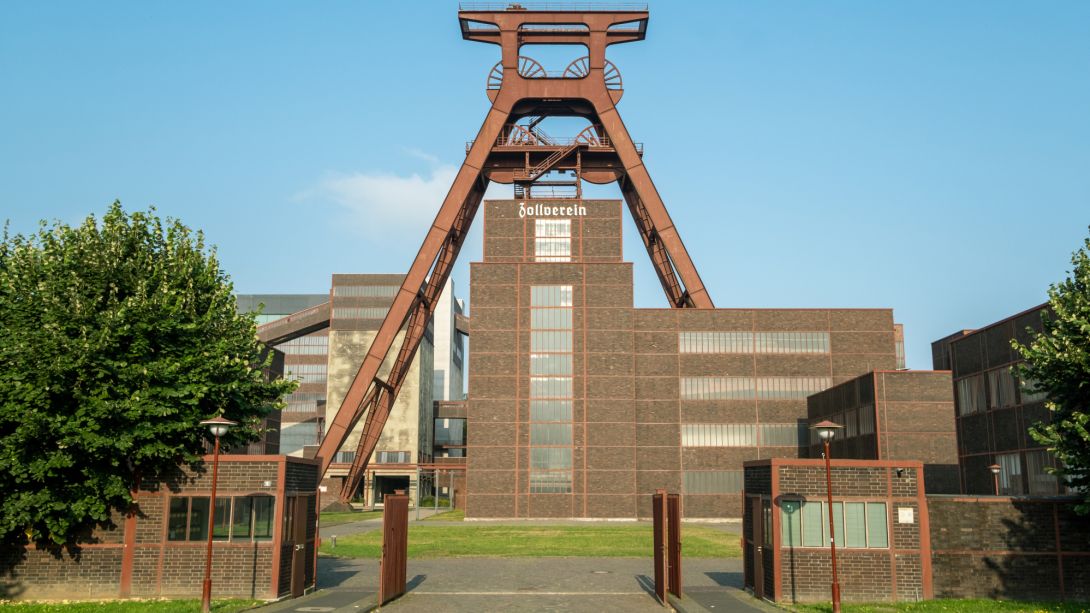
Zollverein Coal Mine in Essen was once one of the biggest hard-coal collieries in the world. Coal extraction ended in 1986. The industrial complex has been a UNESCO World Heritage Site since 2001 and is now home to the Ruhr Museum, for example. In 2026, Zollverein celebrates 25 years of World Heritage status.