Why is science so important in Germany?
The research culture that was established at Charité Berlin has left its mark on Germany to this day. The institution’s history also illustrates why an ethical framework is essential in research.
 Stefanie Hardick
 Key facts at a glance
- Berlin became a centre for medical research in the 19th century. Rudolf Virchow, Robert Koch and Emil von Behring worked at the Charité.
- Research and industry were closely linked from an early stage. Companies such as Siemens and Schering collaborated with the scientific community to develop medical equipment, measurement techniques and medicines.
- Rudolf Virchow shaped modern pathology. During his time there, the Charité’s collection of specimens grew from 1,500 to 23,000 items.
- Virchow viewed health as a social responsibility. He investigated the link between disease, poverty and poor living conditions, and campaigned for improved hygiene standards.
- Berlin modernised its healthcare infrastructure. Drinking water supplies, sewerage systems and a central abattoir helped to protect the population from infectious diseases.
- The Nazi era altered perceptions of scientific responsibility. Doctors and scientists participated in forced sterilisations, the killing of patients and human experimentation. Today, the Charité also commemorates these crimes and their victims.
What does cutting-edge research have to do with a bratwurst?
Imagine you are visiting a street festival in Germany, and you order a bratwurst and a cool drink with ice cubes. Most likely, you will not even think about whether the meat is safe and the water clean. And that’s what makes the difference: most people in Germany take safe food for granted nowadays. This has been achieved not only through strict checks and hygiene regulations, but it is also the result of 150 years of scientific research.
When did science start to play such a big role in Germany?
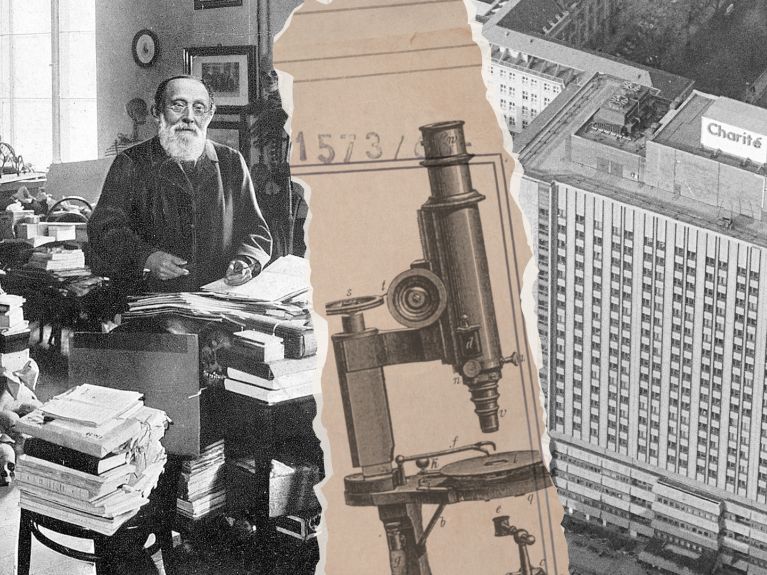
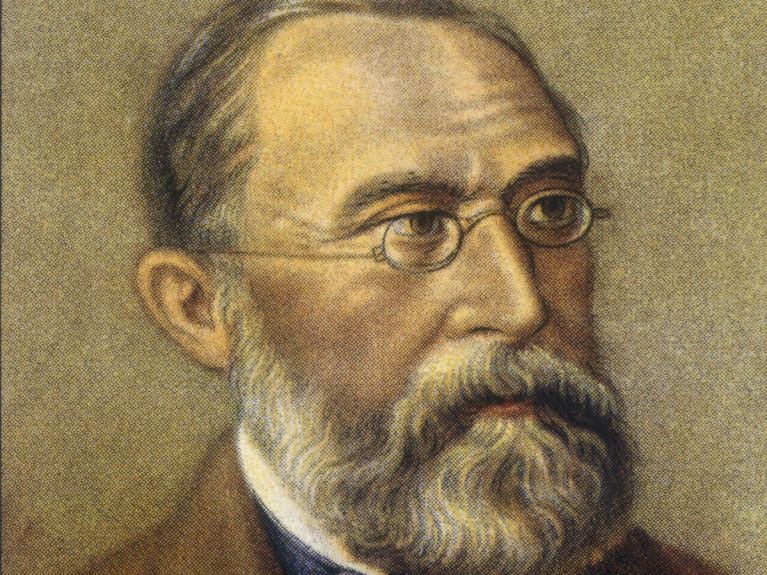
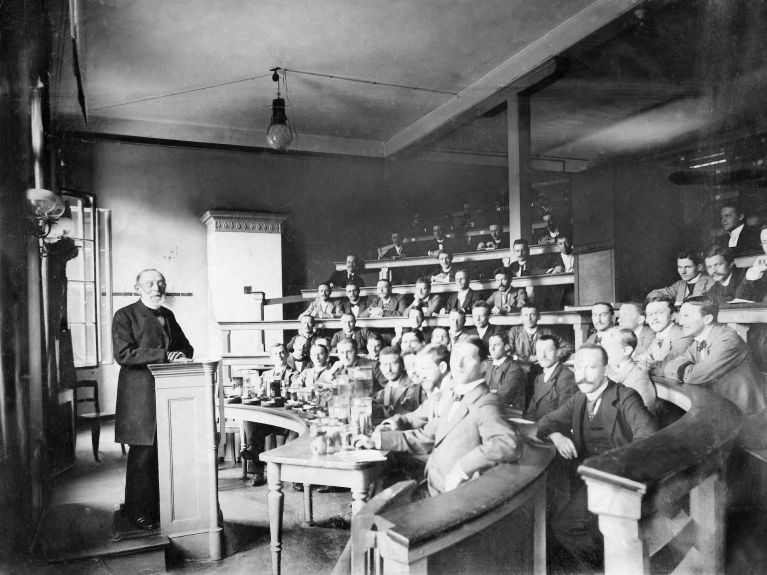
In the 19th century, Berlin evolved into a globally leading medical research hub. Medical experts such as Rudolf Virchow, Robert Koch and Emil von Behring worked at Charité at the time. They established a fundamentally different perspective on illness. Rather than just treating people, they wanted to understand what caused diseases and to prevent epidemics. Charité achieved worldwide recognition thanks to their research work and the institution continues to shape modern medicine to this date.
The Prussian kings were power seekers that frequently waged war, and this was why they initially invested in training military doctors, and later on in medical research, too.
How did Berlin become a laboratory for modern medicine?
The city attracted researchers from across what was then the German Reich. “Berlin was a melting pot,” says Nathalie Stelmach, head of the education department of the Berlin Museum of Medical History at Charité. The capital of Prussia offered good conditions for medical researchers in particular. Nathalie Stelmach believes that this was in part due to the Prussian kings’ policies: “The Prussian kings were power seekers that frequently waged war, and this was why they initially invested in training military doctors, and later on in medical research, too.”
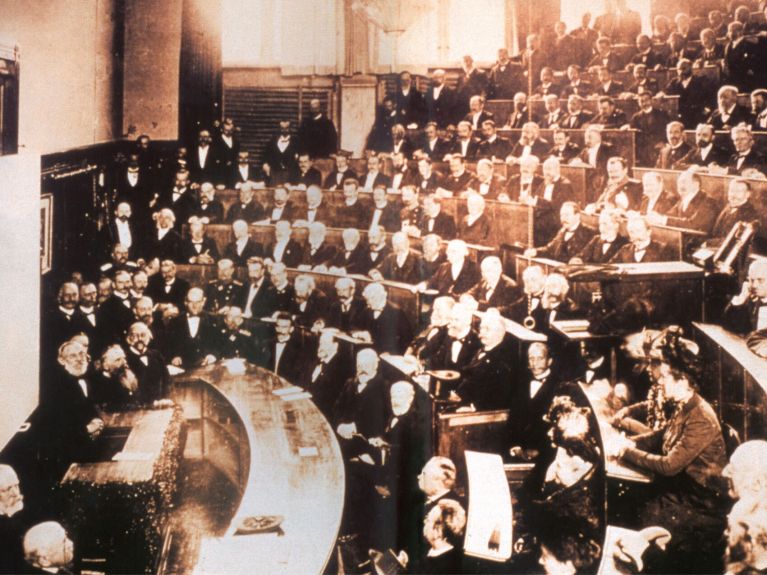
Since the middle of the 19th century, Berlin-based companies such as Siemens and Schering have also been cooperating closely with researchers. Their activities included the development of medical equipment, measuring techniques and medicines. A new research culture emerged in Berlin as a result: diseases were explored systematically, findings were reviewed critically and implemented in practice together with universities, the state and companies. The impact of the work done at Charité was not limited to Berlin. Close cooperation between researchers, the state and industry became a typical feature that continues to characterise Germany as a research hub to this day.
What does all of this have to do with bratwurst and drinking water?
A lot more than meets the eye. Berlin’s population doubled to 1.3 million between 1860 and 1880. Hundreds of thousands of people lived in unhygienic conditions, often without access to sanitation or clean drinking water. Animals were slaughtered in the backyards of tenement blocks, waste was disposed of in the street gutters and disease-causing germs could easily spread through dirty water and food. The doctors at Charité could see the effects of this every day: cholera, typhus, dysentery and other infectious diseases. One of these doctors was Rudolf Virchow. He wanted to not only treat illnesses but to understand their causes and to prevent outbreaks.
What was Rudolf Virchow’s method?
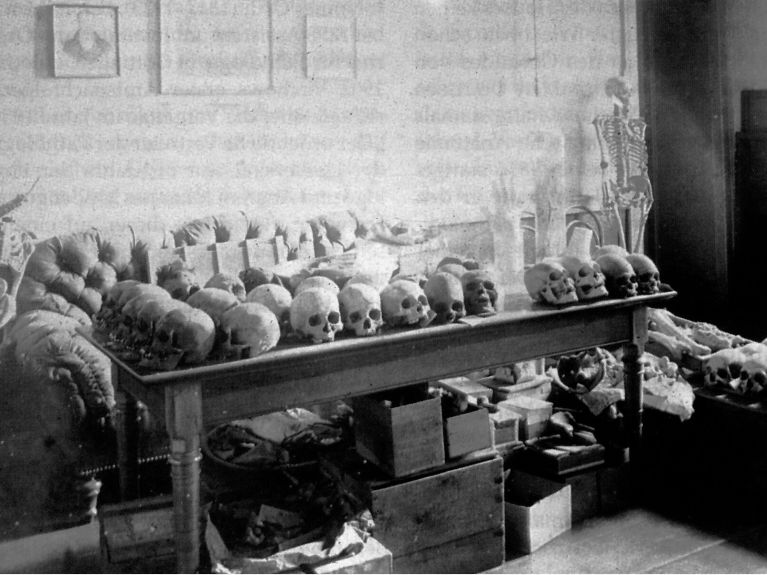
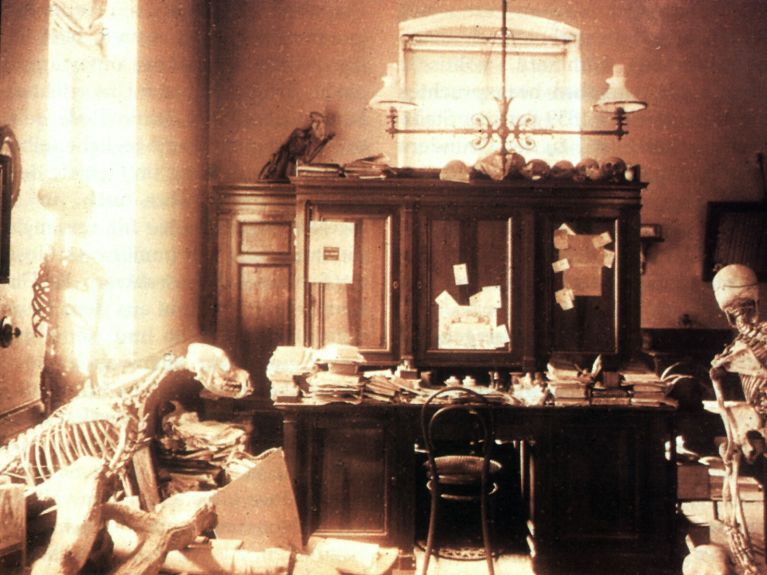
Virchow did not simply examine individual patients. Instead, he collected data, visited the most strongly affected neighbourhoods and addressed the question of why diseases spread in the first place. He was also the founder of modern pathology. This discipline is dedicated to studying changes in tissues, cells and organs in order to understand diseases. In addition, he built up an unparalleled collection of specimens at Charité. “When Virchow arrived at Charité, there were only 1,500 specimens, and in the end there were 23,000,” Nathalie Stelmach explains. “What is most special about the collection is that it was already open to the public 150 years ago.”
Research work was not limited to the laboratory for Rudolf Virchow. He wanted for it to give people better lives. He was convinced that the causes of diseases are not purely medical in nature but linked closely to poverty, a lack of education and poor living conditions. This is why Virchow and others who were also dedicated to reforming healthcare raised awareness of health as a task for society. Their successful efforts contributed to Berlin becoming one of the first large European cities to set up a modern drinking water supply system, a sewage system and a central slaughter house. These measures helped to protect millions of people against diseases.
Why do ethical arguments play such a big role in Germany, for example, in the areas of stem cell research, organ donation and artificial intelligence?
Virchow and other doctors at the Charité developed ever more effective ways of practicing medicine. This allowed for a better understanding of diseases, for pathogens to be detected and for new forms of treatment to be developed. However, the required level of responsibility also increased as science was getting more powerful. Many doctors and researchers failed to do justice to this responsibility, especially in the years of National Socialism between 1933 and 1945. They participated in the National Socialist regime’s crimes, sterilised women against their will, killed mentally ill people and performed cruel experiments on human beings. It was only decades later that the institution began to address this issue. In 2013, a memorial site was set up at Charité to preserve the memory of the perpetrators and victims, as well as of the many Jewish doctors and researchers that were persecuted, displaced and murdered.
These experiences made in the National Socialist era have left their mark on Germany to this day: research does not only need freedom but also a clear ethical framework. This is why issues of research ethics – from stem cell research to artificial intelligence – are subject of intense debate.


