Why Germans value data protection so much
Germany’s data protection culture reflects the country’s history of two dictatorships which systematically collected data for repressive purposes.
 Wolf Zinn
 Germans are known to be particularly cautious regarding their personal data. This is reflected in conflicts about video surveillance and facial recognition, a careful approach to handling health-related data, a sceptical stance concerning cookies as well as profiling of customers and internet users performed by companies, in comprehensive consumer protection structures and strict data protection regulations. The General Data Protection Regulation (GDPR) that was introduced in the European Union (EU) in 2018 provides for a common legal framework. However, data protection with its moral implications has been playing an important role in Germany for a long time.
The Federal Constitutional Court created the right to “informational self-determination” in the Federal Republic of Germany back in 1983. It provides that citizens can decide for themselves, who can know what about them, as a general rule. This right was not only the result of protests triggered at the time by a national census. Instead, this right emerged in a country that has a dark past when it comes to the question of what the state should be allowed to know about people.
The NS state: registration, classification, extermination
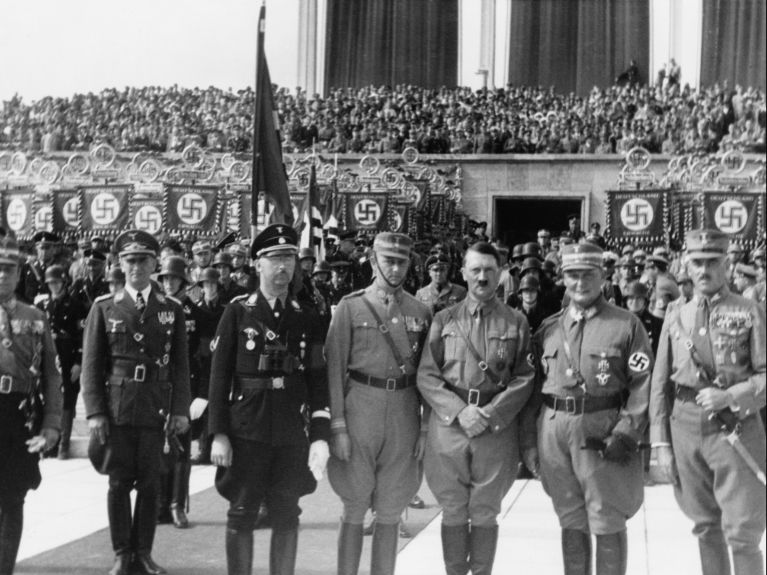
Germany’s first experience in this regard was the National Socialist era between 1933 and 1945. The totalitarian regime aimed to infiltrate all areas of society. A person’s descent, address data, profession, religion, sexuality, illnesses and political views: information was used to form categories, which in turn were used to exclude and eventually deport and murder people. The NS regime’s secret state police Gestapo spied on and persecuted its opponents, questioned and tortured thousands of innocent people and imprisoned them in concentration camps. The Gestapo’s power was based not only on intimidation and violence but also on information, denunciation – and data. In the 1939 national census, people were asked to indicate their descent and “race” on a so-called supplementary card. The historian Götz Aly referred to the resulting register as the “keystone in registering Jews” that formed part of the foundations that would lead to the Holocaust later on.
In the GDR: distrust around the kitchen table
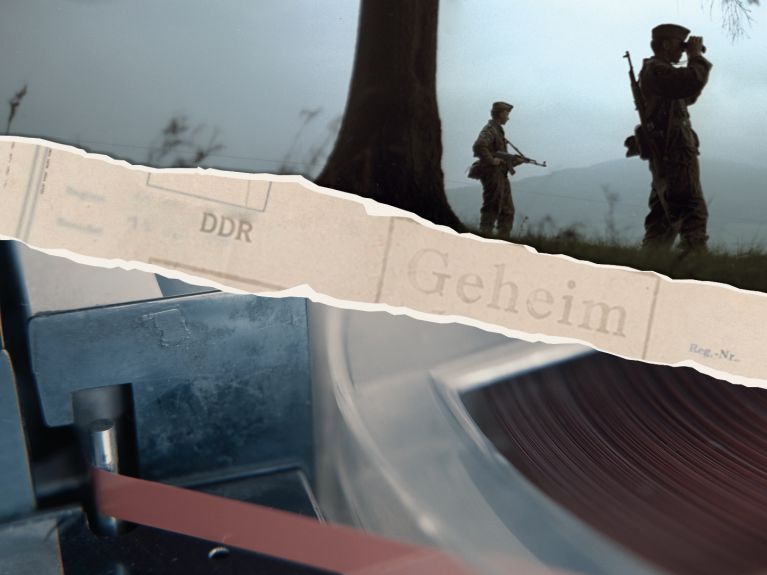
The second experience made by people in Germany happened even more recently, in the time of the socialist dictatorship in the German Democratic Republic (GDR) between 1949 and 1990. The Ministry for State Security, called Stasi for short, was the GDR’s secret service and a crucial instrument of power. By 1989, the Stasi had more than 90,000 official and around 190,000 unofficial staff members. This means that about one in every 60 GDR citizens was a Stasi cooperator.
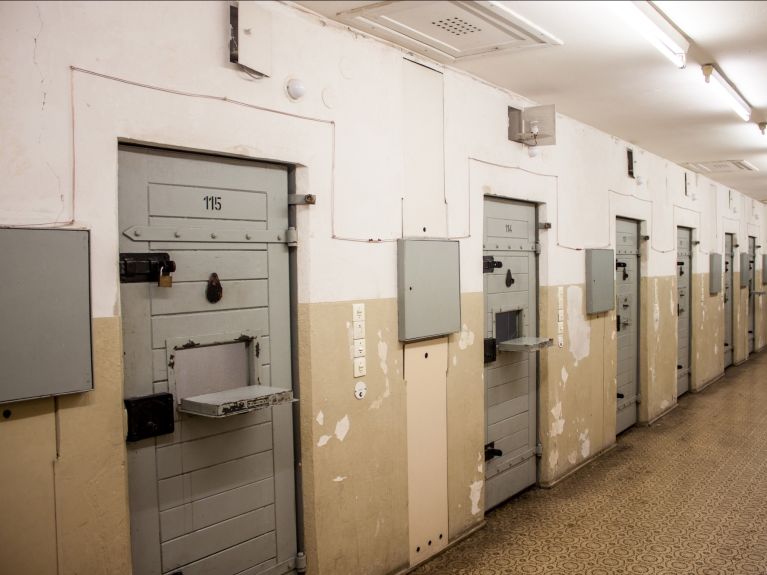
The Stasi did not merely gather information. It organised fear. The shelves of the federal archive currently contain some 112.5 kilometres of files and close to 47 million index cards. It is estimated that up to 350,000 people were imprisoned for political reasons. Many court decisions were injustice dressed up in legislation. The historian Hubertus Knabe said about the criminal code of the GDR that it had been worded so ambiguously that “the slightest peep was enough to become a victim of political persecution”. The former Stasi detention centre in Berlin-Hohenschönhausen that is now a memorial was a materialisation of this very mechanism. It was a place that was dedicated to breaking people’s spirit by means of isolation, manipulation, never-ending interrogations, psychological and physical violence. In the 1970s the Stasi perfected its “decomposition” approach in which rumours were spread, career opportunities were blocked and oppositional groups were undermined.
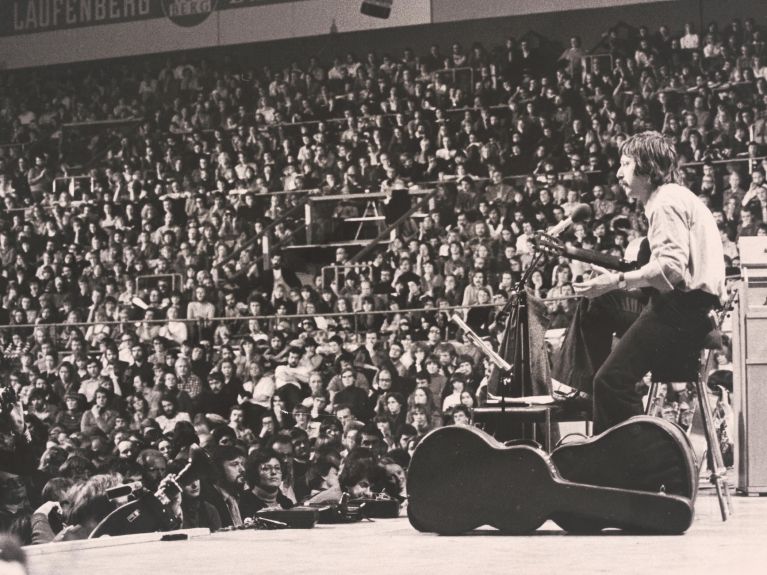
What made state surveillance in the GDR so treacherous was its proximity. People had to assume that there were informants at their workplace, university or church, or even among their friends. The songwriter Wolf Biermann who was a critic of the GDR and was banned from performing in 1965 and expatriated in 1976, ridiculed his observers by referring to them as “poor Stasi dogs” in his song Stasi-Ballade. Mockery was a form of power that could be used against the regime, but he was unable to change the fact that trusting anyone had become risky under the regime.
Striking the right balance
This explains why Germans tend to be touchy about data being collected and stored “just for the sake of simplicity”. They have learned that today’s administration work can be tomorrow’s surveillance. In addition to this, it is also the case that data protection can seem unnecessarily bureaucratic. The great challenge is therefore to find efficient solutions that provide a high degree of substance paired with reduced effort.


