Is there a formula for peace, Ms Deitelhoff?
Preventing wars, resolving conflicts: peace researcher Nicole Deitelhoff explains what research tells us about these challenges and where it has helped in the past.
 Ina Brzoska
Ms Deitelhoff, can research tell us how to secure lasting peace?
Unfortunately, there is no universal formula for peace. If there were, our world might be a very different place. As long as people compete for scarce resources, there will be conflicts. The key is to prevent those conflicts from turning violent. We know some important conditions for achieving this: democracies, since they fight fewer wars than autocracies; shared rules to limit violence; disarmament and arms control; and strong international organisations to monitor compliance. Many of these are already in place. But even the best systems cannot preserve peace if countries are unwilling to use them.
Can wars break out by accident?
Yes. That can happen when two heavily armed adversaries face each other. The more each side invests in its own security, the more threatened the other feels. Misinterpretations and misunderstandings multiply, and in extreme cases this can trigger a war that neither side actually wanted. This is the classic security dilemma that ran throughout the Cold War.
In extreme cases, misinterpretations and misunderstandings can trigger a war that neither side actually wanted.
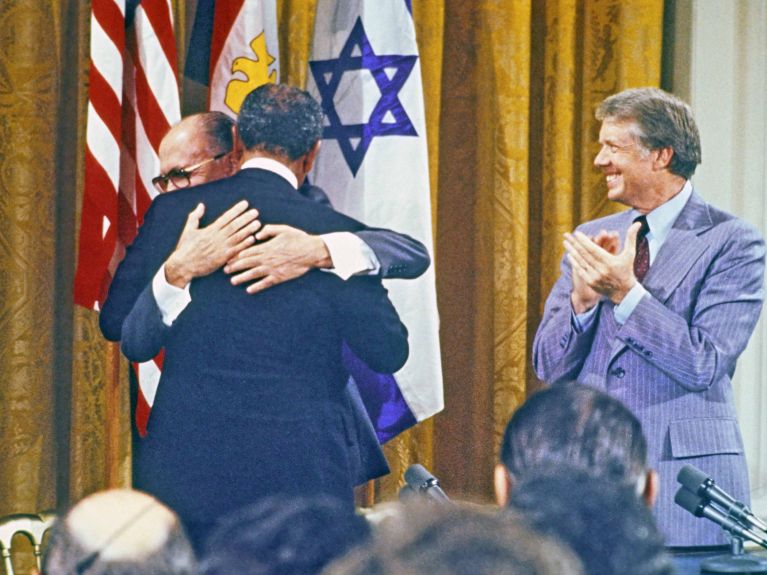
What determines whether peace negotiations succeed or not?
First, the warring parties must believe they have more to gain from negotiations than from violence – perhaps because they are under military or domestic political pressure. When an “all or nothing” mentality prevails, negotiations are unlikely. It’s also essential to bring all relevant parties to the negotiating table and have skilled mediators build trust. Smaller, successive agreements that can be monitored for compliance are helpful. Ultimately, there must be a solution that offers everyone involved a future. Otherwise they may resort to violence again.
Where has peace research actually helped defuse conflicts in the past?
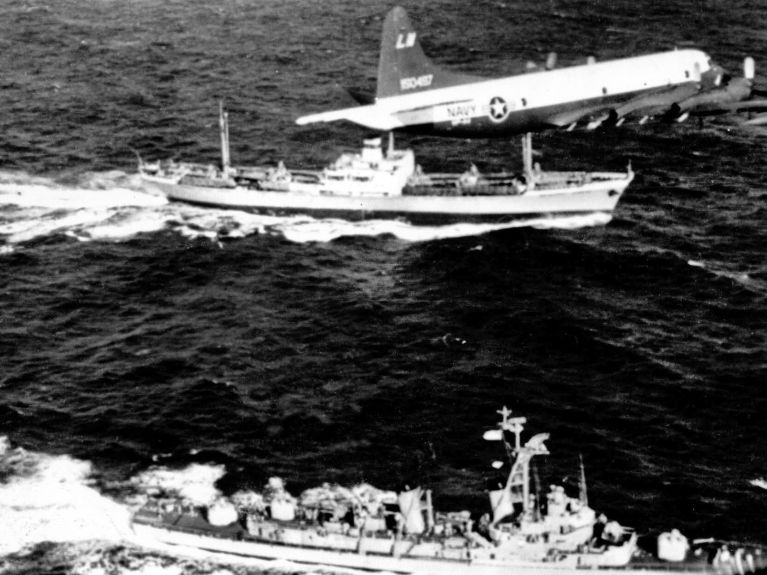
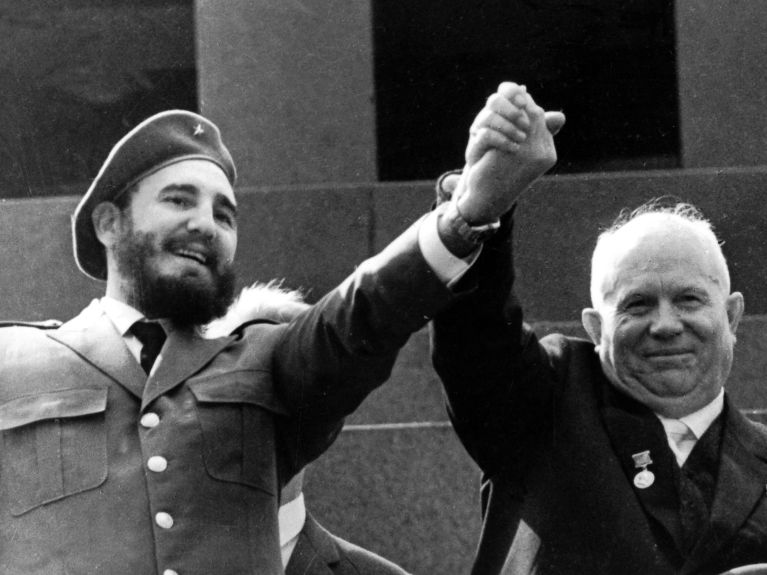
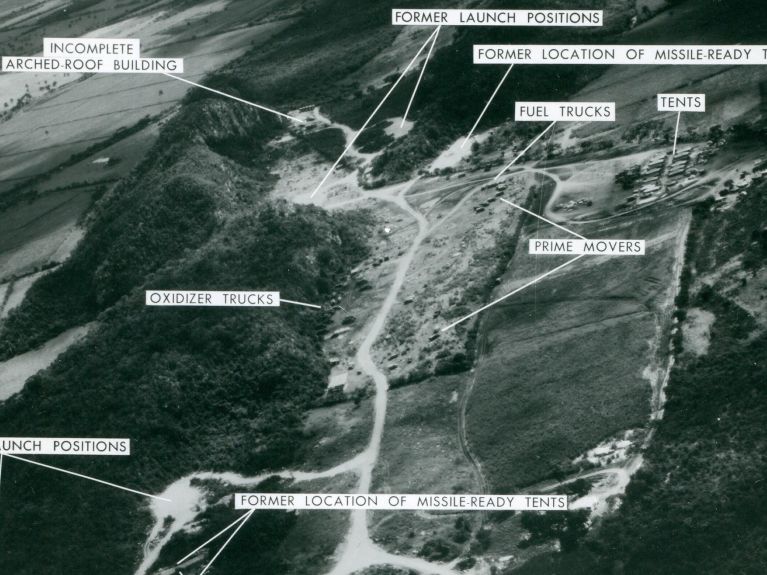
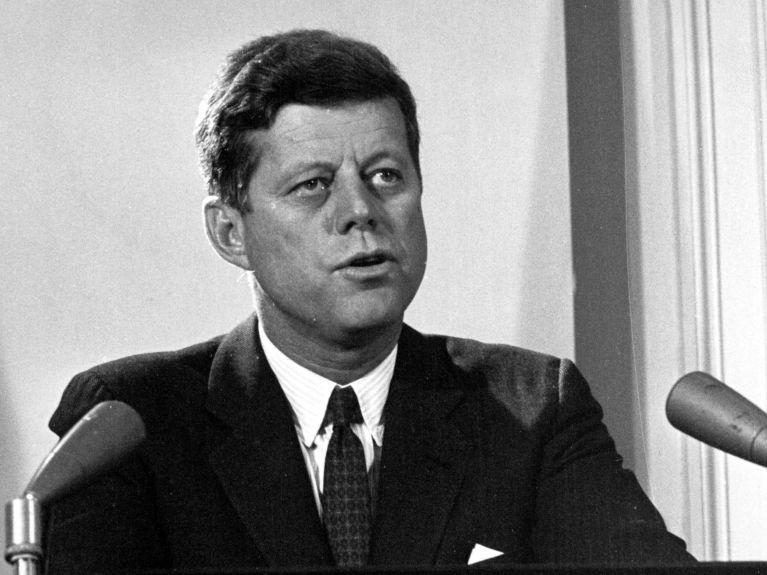
Research findings alone have never been the deciding factor in ending a conflict. But they can help. One example is the conflict in Northern Ireland, where the concept of conflict transformation was applied. The aim is not simply to end the violence, but to change the relationship between the parties to the conflict in the long term. After the Cuban Missile Crisis in 1962, when the US and the Soviet Union came to the brink of nuclear war, social psychology research played a part in easing tensions. Theory and practice are often closely linked in peace negotiations, too. One example is the Harvard approach set out in “Getting to Yes”. The basic idea is this: instead of sticking rigidly to their demands, the parties have to find out what really matters to the other side and look for solutions both can accept.
What can German foreign policy learn from peace research, especially in times of crisis?
In times of crisis, it’s particularly important for foreign policymakers to stay in touch with researchers. There is often too little time to explore different courses of action. That can lead to tunnel vision, with important perspectives being overlooked. Research can help broaden that perspective and reveal new options.
Nicole Deitelhoff is Professor of International Relations at Goethe University Frankfurt and an executive board member of the Peace Research Institute Frankfurt (PRIF), a Leibniz Institute. Her research focuses on international conflicts and institutions.