Empowering, Zimbabwe
This project’s aim is the setup of a commercial plant for honey wine production. The beekeeping industry has huge potential for employment creation and ecological benefits.
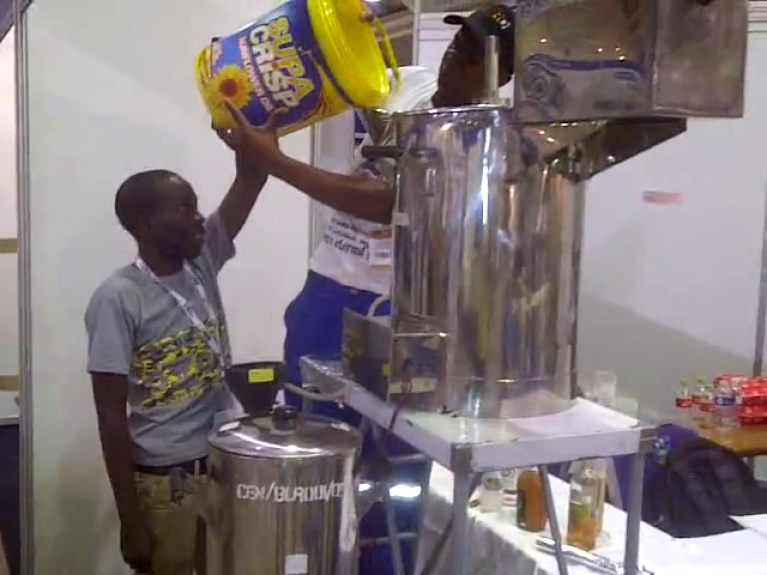
Project name: Empowering the communities through beekeeping, production of honey and honey based products e.g. Honey-wine, Cosmetics etc.
Project location: Zimbabwe
Website: http://www.beezimiz.com

Dieses YouTube-Video kann in einem neuen Tab abgespielt werden
YouTube öffnenThird party content
We use YouTube to embed content that may collect data about your activity. Please review the details and accept the service to see this content.
Open consent formProject description:
This project’s main aim is the setup of a commercial plant for honey wine production. But to ensure sustainability emphasis will also be on bee-keeping and honey production. Honey wine is not yet being produced commercially in Zimbabwe. In other countries it is being manufactured but still at low scales for example in South Africa and Ethiopia. The project therefore seeks to setup a honey wine manufacturing plant that will produce at least 2000 cases of wine per year completely utilising locally produced honey. The project will also involve setup of small micro-brewery plants for individuals and bee farmers to ensure product sustainability. This project will establish the ground work and open up avenues for complete utilization of honey available in Zimbabwe. There are many reasons why honey production in Zimbabwe should be increased. The production of honey does not require the ownership of land and is consequently ideal for Zimbabwe`s many landless people. The honeybees produce honey, beeswax and propolis which are all non-perishable commodities that can be marketed and sold both locally and abroad. All the necessary raw materials are available locally. Furthermore, beekeepers do not compete with other agricultural sectors for limited resources (they do not over-graze) - instead they help improve the ecology. The start-up costs involved in beekeeping is very low, and beekeeping can be done by individuals as well as organizations such as churches, youth associations and women’s groups. The production of honey does not require foreign inputs like machinery and other equipment, a fact that allows production costs to be minimal. In addition to this, natural honey has a high economic per kilo value in comparison to other crops such as grapes or oranges.
Goal and purpose of the project:
The project seeks to reduce unemployment in Zimbabwe which stands at 95% .With such a project, women and young adults can be gainfully employed and find opportunities to generate income for themselves through creative projects like candle making, floor polish making and sale of processed honey. The beekeeping industry has huge ecological benefits since the bees are an important part of our ecosystem. Reforestation can be improved through beekeeping whilst deforestation and wild fires can be greatly reduced due to beekeeping. Industries like the cosmetics industry will greatly benefit from honey production. Production of honey wine will benefit the nation’s economy through exports.
Motivation of the applicant / applicant team:
#Honey-wine can be produced at both home-scale and commercially. This project will be beneficial at both community and commercial levels due to its simplicity and potential to produce profits. The wine has medicinal benefits to consumer and export ability since Zimbabwean honey has unique properties. The production of honey is not capital intensive which makes the product viable and cheap to produce. The beekeeping industry has huge potential for employment creation, starting from beehive makers, tailors of protective clothing metal workers who make the processing equipment and has other by products like royal jelly and wax which can open up other income generating avenues.
Use of prize money:
A huge chunk of the money approximately USD 10 000 will be used setup a honey wine manufacturing plant. USD 5000 will be invested in community projects for bee keeping equipment like beehives and protective clothing for women and children. Some of the money will be invested in organizational work and costs associated with setting up of organizations for training and educational workshops. These will be skills development workshops and technology awareness programs for all the stakeholders. Manufacturing of mini brewery equipment will be carried out through revenue generating projects like sale of processed honey and its by-products thereby stimulating growth of the industry.