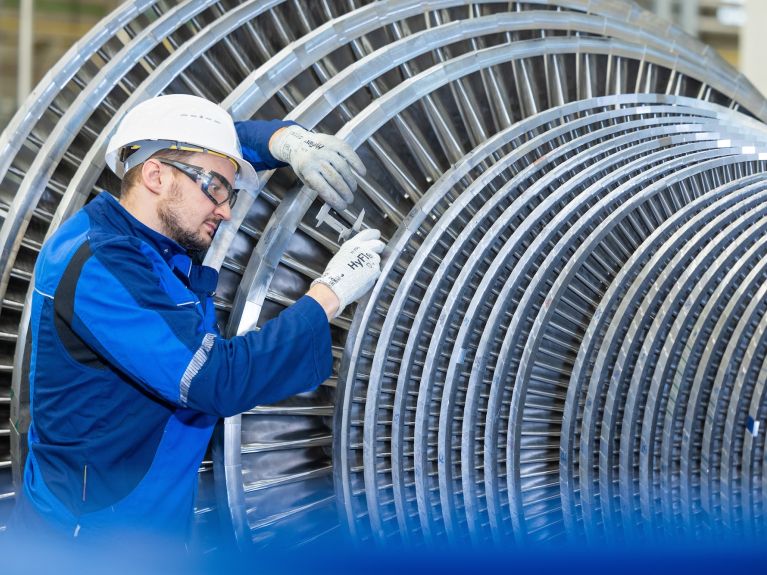
Siemens: engineering giant in the AI era
Siemens is world-famous, but only few know the full range of its products, which includes everything from domestic appliances to factory software.
 Wolf Zinn
 Around the globe, the name Siemens is synonymous with German technology. In many cases, the brand is an integral part of our everyday lives in the form of domestic appliances such as ovens or dishwashers. However, the company’s core business has long been centred on technologies that work behind the scenes - in factories, buildings, hospitals, electricity grids and data networks, as well as in rail transport. Siemens customers don’t buy just appliances and machines, but above all systems.
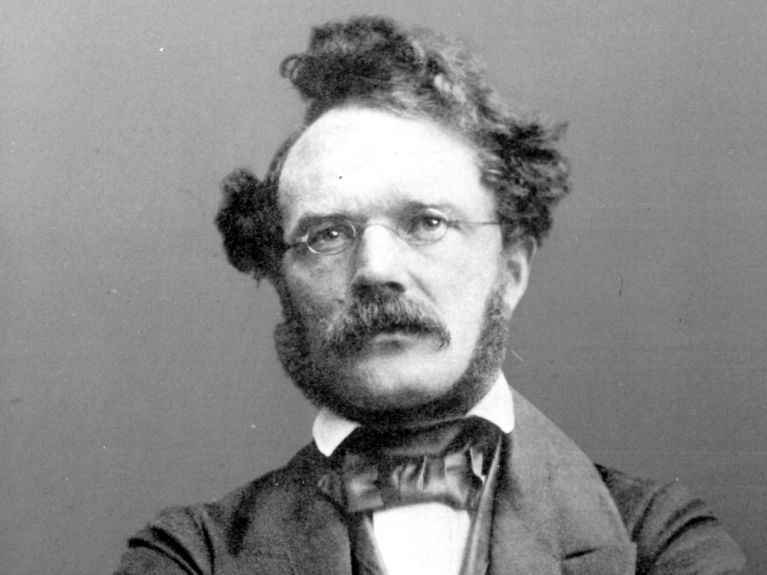
The company’s origins: Werner von Siemens
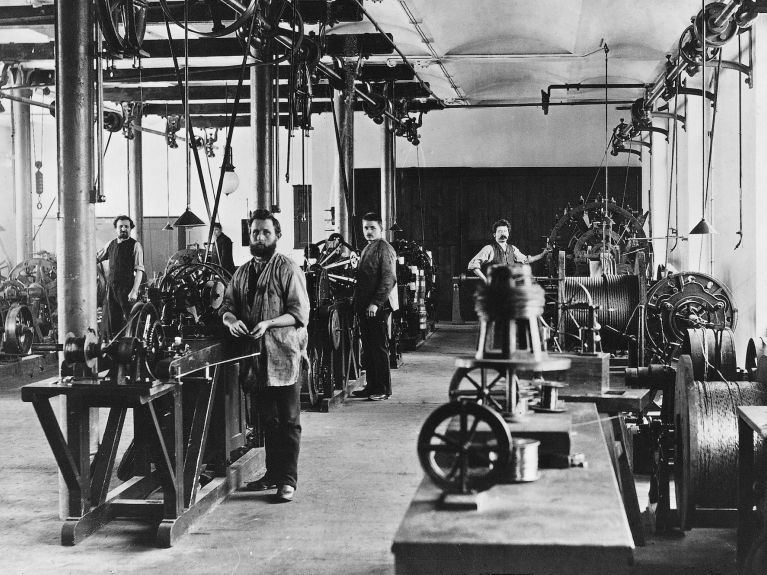
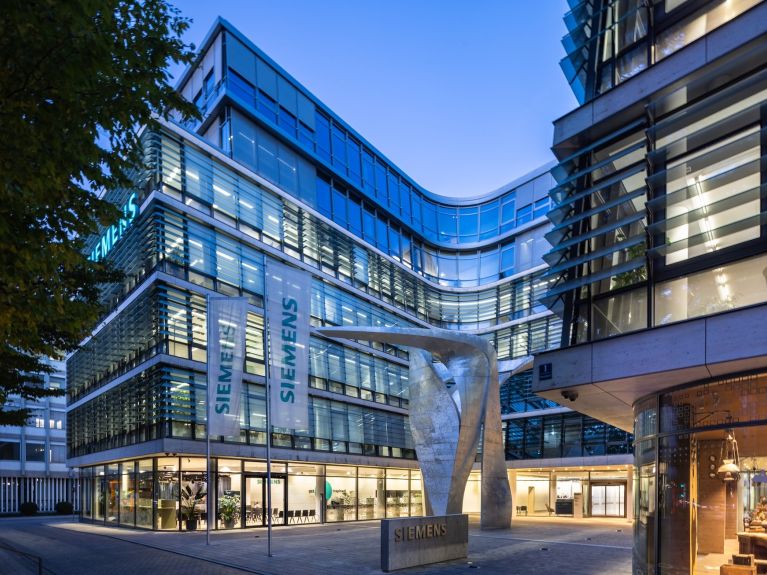
The company’s early days in Berlin in 1847 are inextricably linked to the inventor and entrepreneur Werner von Siemens – and to the then revolutionary invention of telegraphy, i.e. the long-distance transmission of information. Over the decades, a small workshop in a Berlin courtyard evolved to become a global player that currently has nearly 320,000 employees, is headquartered in Munich and operates in over 190 countries.
Diversity is the key - and current restructuring activities
Today, Siemens is active primarily in the areas of industry, infrastructure, mobility and medical technology. In industry, the company is all about automation and software for planning, controlling and optimising production systems. In terms of infrastructure, the company focuses on building technologies and energy systems, in the area of mobility it supplies for example rail solutions, while in medical technology it provides products such as MRI machines and laboratory diagnostic systems.
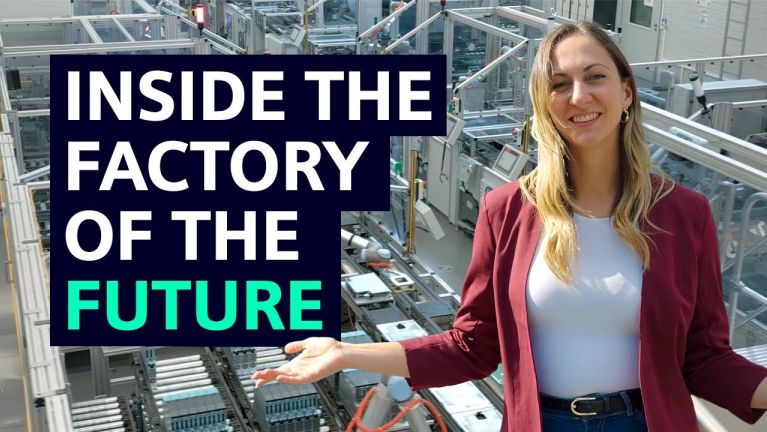
Dieses YouTube-Video kann in einem neuen Tab abgespielt werden
YouTube öffnenThird party content
We use YouTube to embed content that may collect data about your activity. Please review the details and accept the service to see this content.
Open consent formThis huge variety places considerable organisational demands on Siemens. That’s why the group is pushing ahead with its “ONE Tech Company” programme to reduce silos, increase cooperation and accelerate processes - the goal being to achieve profitable growth in the long term. That said, its financial figures already look pretty healthy: Siemens achieved net profits of 10.4 billion euros in 2025 - its third record year in a row. Siemens CEO Roland Busch is also optimistic about the future: “Naturally, our aim is to achieve double-digit growth.”
AI and digital twins
Siemens is increasingly prioritising artificial intelligence. One prominent example is its extended partnership with Nvidia: both companies want to make AI the “operating system for industry” - from design and development to production. The focus is on digital twins and simulation: the idea is to virtually test and monitor production processes before they are used in real-world applications, costing time, material or energy.
