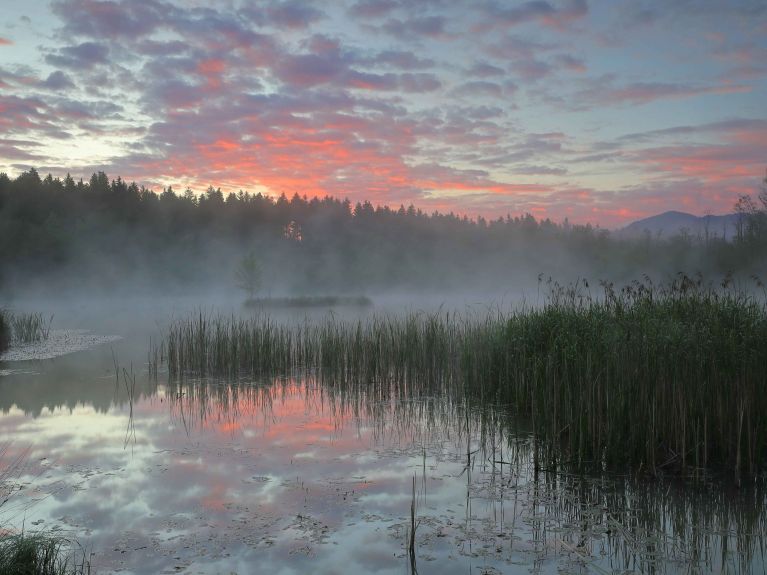
Beautiful but little-known places
Eight insider tip’s on where you might want to go on your next trip to Germany.

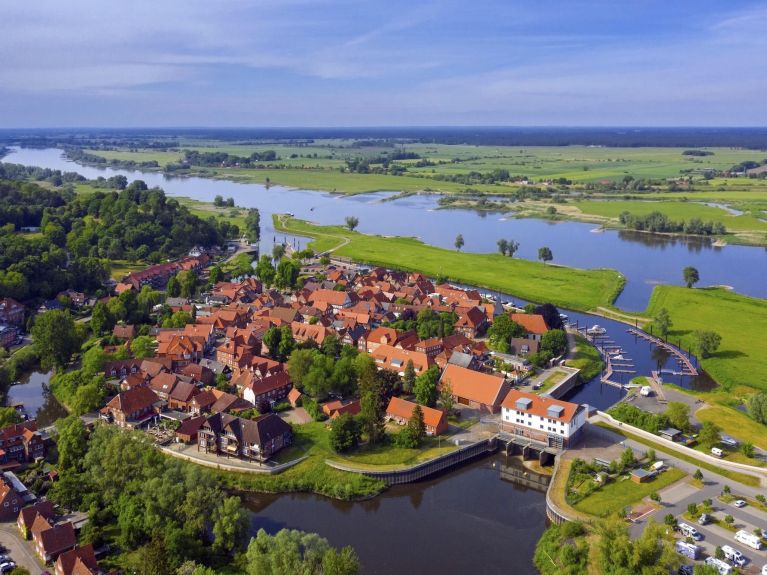
Wendland: Rundling villages surrounded by heathland
The farmsteads that form the Rundling villages in the Wendland region in northern Germany are arranged around a circular village green. This settlement structure dates back to medieval times. The farmsteads border the local landscape of fields, forests, heathlands and the wetlands on the banks of the river Elbe. Those who cycle from one Rundling village to the next will meet few other people on the secluded paths.
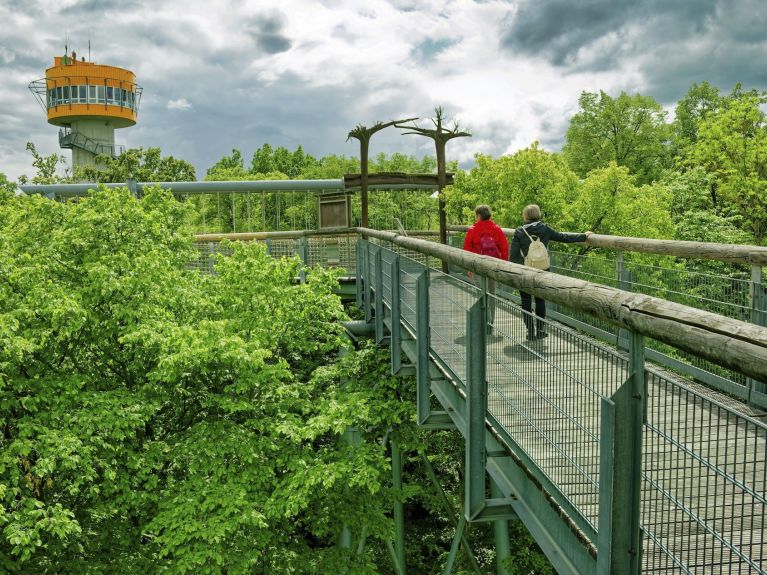
Hainich National Park: a piece of wilderness
One of the country’s biggest beech forests can be found in Hainich National Park at the heart of Germany. The 540 metres long treetop trail allows for extraordinary views that are unlike anything you will see from the ground. The forest in the national park is able to develop without human interference.
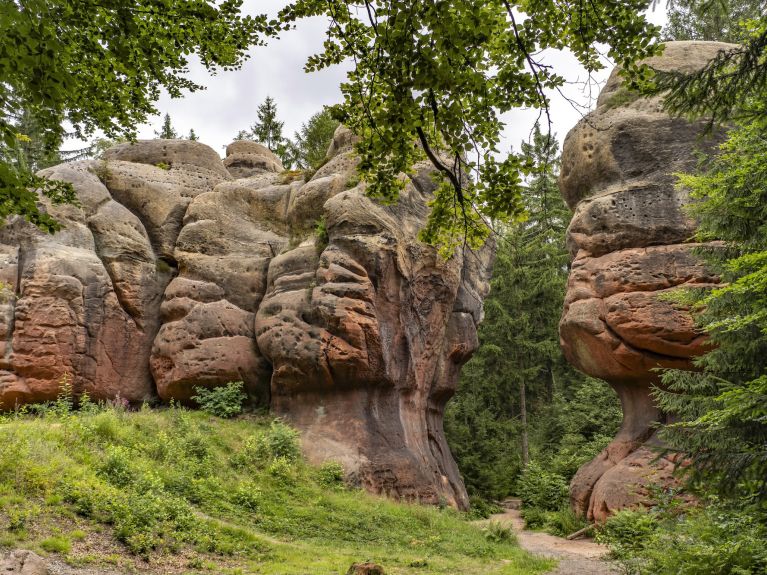
Zittau Mountains: impressive rock formations
Bizarre sandstone formations are towering above the forest in Saxony. Traditional wooden Upper Lusatian houses can be found in the villages of the Zittau Mountains near the eastern German city of Görlitz. The ruins of a castle and monastery that sit atop a mountain are the landmark of the spa town of Oybin. Explore a small area bursting with rock formations, half-timbered houses and fascinating history.
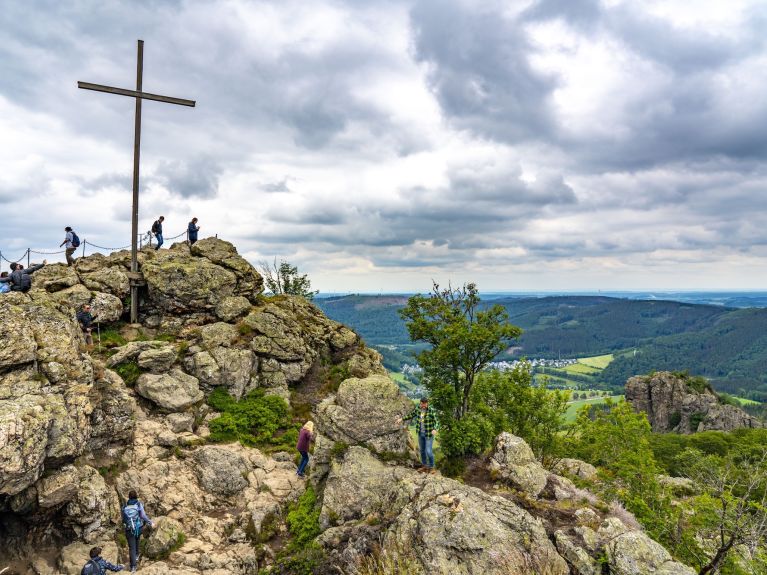
Bruchhausen Rocks: panoramic views in the Sauerland region
The Bruchhausen Rocks in the High Sauerland region in the west of Germany – four mighty rocks that tower above forested hills – are a natural monument where traces from prehistoric times can be found. From the top you can enjoy views of the Rothaar Mountains and Arnsberg Forest, and on clear day you can even see Teutoburg Forest.
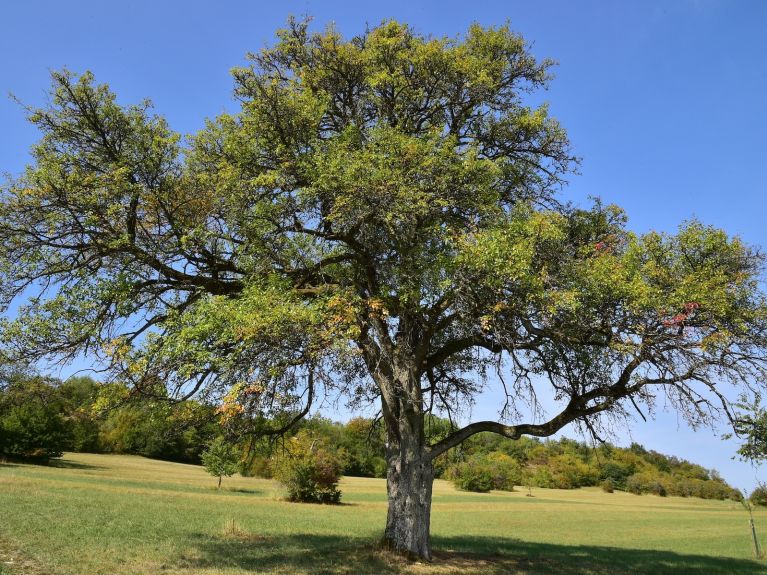
Bliesgau Biosphere Reserve: hills, fruit trees and orchids
Bliesgau in the Saarland in south-western Germany is characterised by gentle hills, meadow orchards and orchid-filled meadows. The UNESCO Biosphere Reserve that borders France is best explored at a leisurely pace.
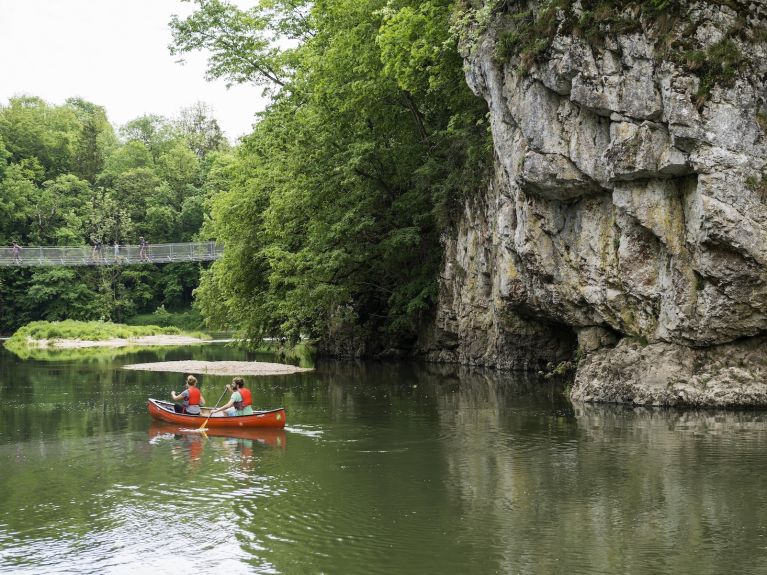
Upper Danube Nature Park: hiking high above the river
The Danube has forged its way through the Swabian Alb, a low mountain range in Baden-Württemberg. The valley that is home to the Beuron Monastery is dominated by limestone cliffs. View points on top of the cliffs offer vistas of the narrow river bends below.
Murnauer Moos: silence and alpine views
Central Europe’s biggest remaining continuous marshland, Murnauer Moos, can be found south of Munich in Bavaria in southern Germany. Trails lead across wetland meadows while the alps are visible on the horizon, allowing you to enjoy views of the marshland and the mountains at the same time.


