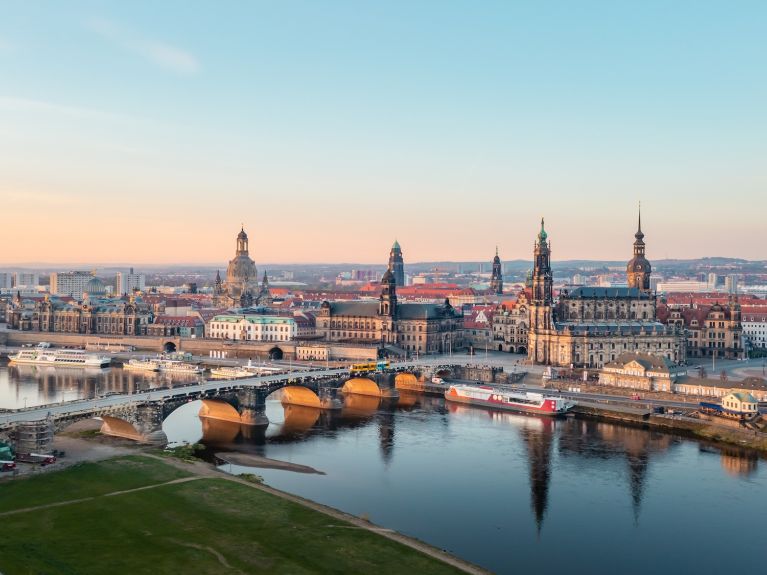
Saxony: the federal state of castles and mountains
Baroque splendour, picturesque low mountain ranges and microchips: the eastern German federal state of Saxony embodies impressive history, beautiful landscapes and high-tech.
Saxony is a federal state in eastern Germany. The Free State of Saxony combines centuries of history, impressive architecture and beautiful natural landscapes.
What is Dresden’s Frauenkirche famous for?
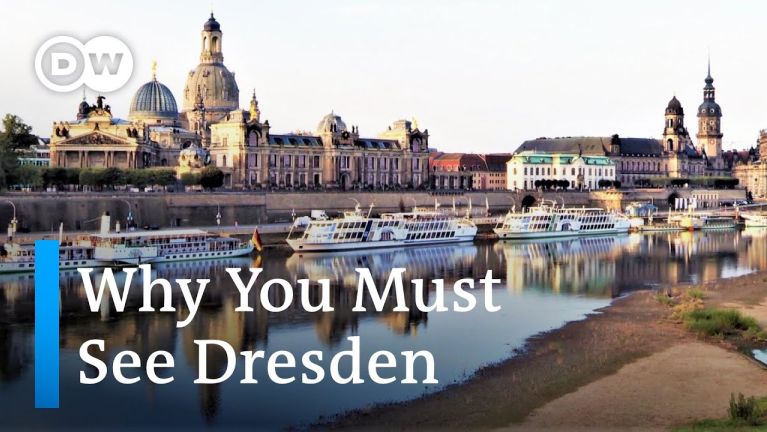
The Saxon state capital Dresden is situated on the River Elbe and is famous for its Baroque buildings, in particular the Frauenkirche. The latter is regarded as a symbol of peace and is visited by around two million people every year. The Frauenkirche was completely destroyed during the Second World War. For many years, the ruins stood in the city as a memorial before the church was painstakingly rebuilt piece by piece and reconsecrated in 2005.
Dieses YouTube-Video kann in einem neuen Tab abgespielt werden
YouTube öffnenThird party content
We use YouTube to embed content that may collect data about your activity. Please review the details and accept the service to see this content.
Open consent formWhich city in Saxony has the largest population?
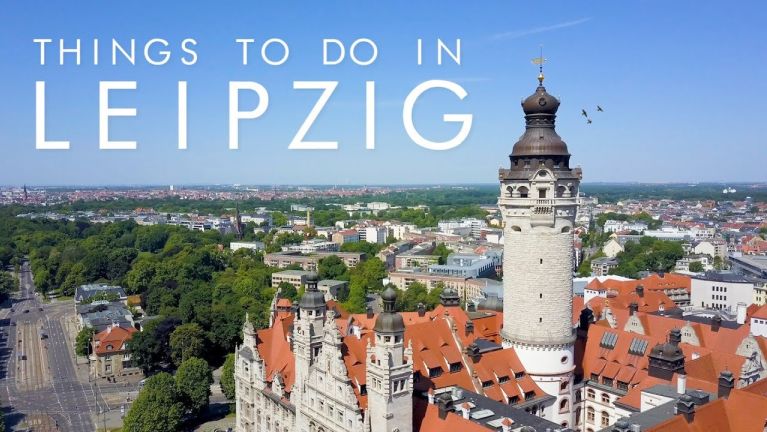
The most populous city in Saxony is Leipzig with around 634,000 inhabitants. Leipzig has an impressive musical heritage: the city is the birthplace of Richard Wagner, while Johann Sebastian Bach, Felix Mendelssohn Bartholdy and many other musicians and composers also worked there. Leipzig is also famous for the Peaceful Revolution of 1989, which paved the way for German reunification.
Dieses YouTube-Video kann in einem neuen Tab abgespielt werden
YouTube öffnenThird party content
We use YouTube to embed content that may collect data about your activity. Please review the details and accept the service to see this content.
Open consent formWhere is Saxony located?
The Free State of Saxony lies in eastern Germany and borders the following federal states: Bavaria, Saxony-Anhalt, Thuringia and Brandenburg. Compared with other federal states, Saxony is not especially large: some four million people live on a surface area of roughly 18,000 square kilometres.
What is Saxony famous for? What is typically Saxon?
The Free State is famous for several reasons:
- Cultural heritage: Cities such as Dresden and Leipzig are renowned for their art and culture. Saxony is home to two world-famous boys’ choirs, for example: the St Thomas Choir in Leipzig and the Kreuzchor in Dresden.
- Architectural masterpieces: The Dresden Zwinger, the Semper Opera House and the historic old town of Meißen are impressive examples of Classical and Baroque architecture, while Saxony also has the highest density of castles and palaces anywhere in Germany.
- Economic strength: Saxony is a major industrial centre, known particularly for electric vehicles and mechanical engineering. “Silicon Saxony” is the name given to Europe’s largest microelectronics hub around Dresden, where companies and research institutions work on semiconductors and future technologies.
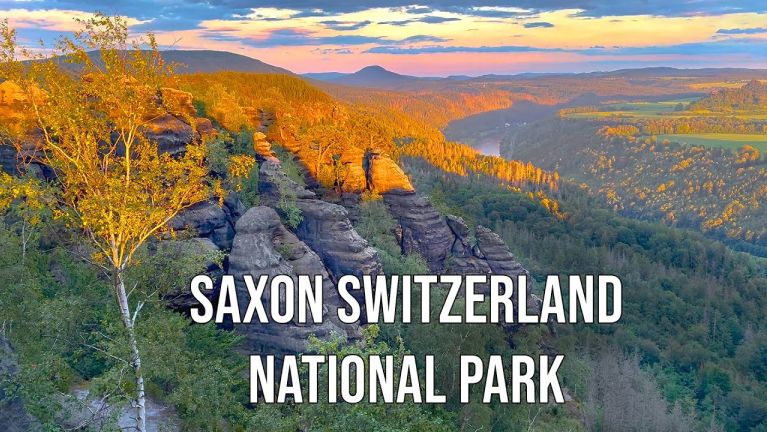
- Nature and landscapes: Saxon Switzerland, Upper Lusatia and the Ore Mountains – Saxony is the federal state of picturesque low mountain ranges.
Dieses YouTube-Video kann in einem neuen Tab abgespielt werden
YouTube öffnenThird party content
We use YouTube to embed content that may collect data about your activity. Please review the details and accept the service to see this content.
Open consent form- Saxon sweet specialities: including Eierschecke cake, Quarkkeulchen potato pancakes, Dresden Christstollen, the sweet “Leipziger Lerchen” pastries and Pulsnitz gingerbread
- Traditional crafts: Many rare crafts are still cultivated in Saxony’s regions – discover Meißen porcelain, Plauen lace, watches from Glashütte, wooden toys from the Ore Mountains and musical instruments from the Vogtland region!
Why is Saxony called a Free State?
The term Free State of Saxony has historical significance: in the past, “Free State” meant that the people of Saxony had freed themselves from the rule of a king and that citizens governed themselves. Bavaria and Thuringia still use the term “Free State” today, too. Legally, however, they are no different from the other federal states.
Is Saxony Catholic or Protestant?
Most people in Saxony have no religious affiliation, around 16 per cent are Protestant and only 3.5 per cent Catholic. The Reformation was highly significant in Saxony. Martin Luther developed important elements of his teachings in Saxon regions. The Leisnig Church Ordinance of 1523, for example, is regarded as the first Protestant church constitution.
In addition, Frederick the Wise, the ruler of the Electorate of Saxony at the time, actively supported Luther and hid him at Wartburg Castle. This is why Saxony is sometimes referred to as the motherland of the Reformation.
What is the Saxon State Chancellery?
The Saxon State Chancellery is the highest state authority and serves as the central administrative and governmental body of the Free State of Saxony. It supports the state premier in the political leadership and coordination of the state government. The State Chancellery plays a key role in managing state affairs. It is based in Dresden and also represents Saxony at federal level and within the European Union.
Which cities in Saxony are especially important?
- Dresden: The state capital, known for its Baroque architecture, the Frauenkirche and the Dresden Zwinger.
- Leipzig: A cultural centre with a vibrant music scene, numerous museums – and a city that played a major role in the Peaceful Revolution.
- Chemnitz: An industrial city with a rich cultural heritage and modern technological development. Chemnitz was European Capital of Culture in 2025.
Dieses YouTube-Video kann in einem neuen Tab abgespielt werden
YouTube öffnenThird party content
We use YouTube to embed content that may collect data about your activity. Please review the details and accept the service to see this content.
Open consent form- Zwickau: Known as the birthplace of the Audi car brand and famous for its historic buildings.
- Meißen: Famous for its porcelain, well-preserved old town and Albrechtsburg Castle.
Why were people in another German region once called Saxons?
More than 600 years ago, the Germanic inhabitants of north-western Germany were known as Saxons – in a completely different part of Germany from today’s Free State of Saxony. The name probably migrated to the present-day region together with the House of Wettin, which established the Electorate of Saxony. The northern German homeland of the original Saxons is still reflected today in the name of the federal state in that region: Lower Saxony.


