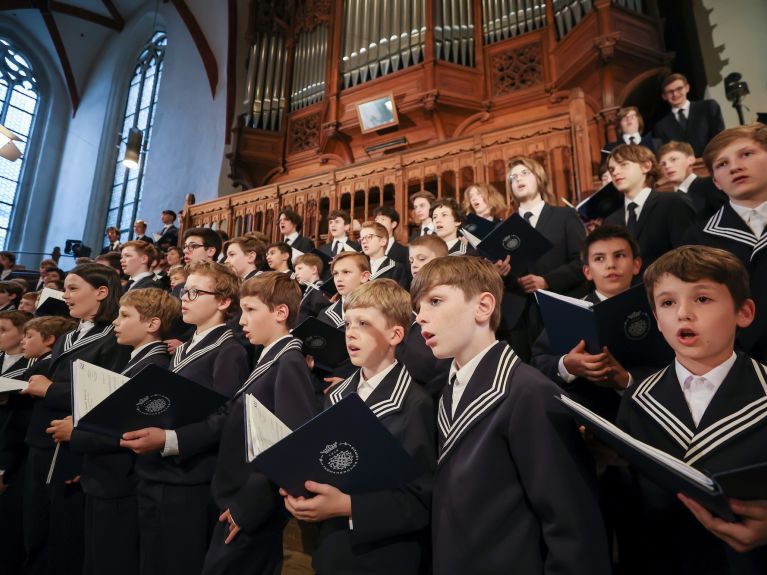
How Germany sings: the great diversity of choirs
Communal singing has a long tradition in Germany – and a future. How choral music strengthens social cohesion, too.
 Luca Rehse-Knauf
 Germany is a nation of choirs: around five million people sing together regularly in groups. That puts choral singing on a par with other “typically German” pastimes such as football or barbecuing. From children’s choirs to senior citizen ensembles, from churches to pubs: whenever more than three people gather together, there’s a fair chance that they’ll soon break into harmony. No wonder – singing has been shown to trigger feelings of happiness, reduce stress and strengthen social cohesion.
Vocal diversity
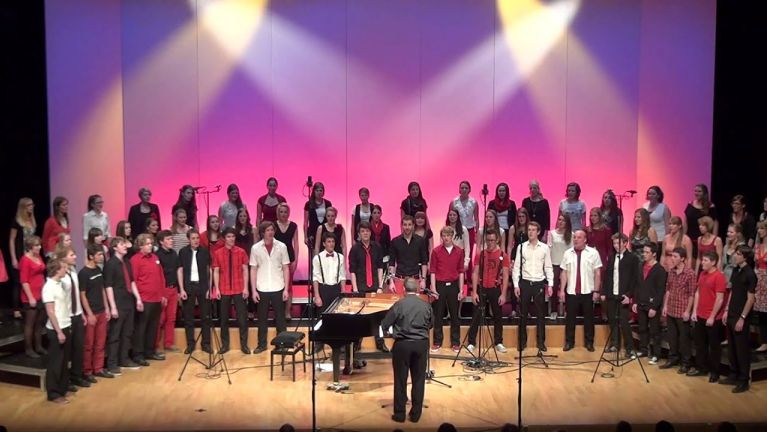
Choirs have a long history in Germany – just think of Johann Sebastian Bach, his passions and oratorios. Today, communal singing remains not only extremely popular but also remarkably diverse: from traditional men’s and women’s choirs and workplace choirs to queer ensembles, from sailors’ choirs to pop and jazz choirs, and a cappella groups with beatbox elements.
Dieses YouTube-Video kann in einem neuen Tab abgespielt werden
YouTube öffnenThird party content
We use YouTube to embed content that may collect data about your activity. Please review the details and accept the service to see this content.
Open consent formIn Germany there are more than 60,000 amateur choirs that sing on a regular basis. But the label “amateur” can be misleading: some non-professional ensembles differ little in quality from professionals. They are an important part of Germany’s music scene and in some cases reach large audiences. What is more, choral music sung by German amateur choirs has even been recognised as Intangible Cultural Heritage by UNESCO since 2014.
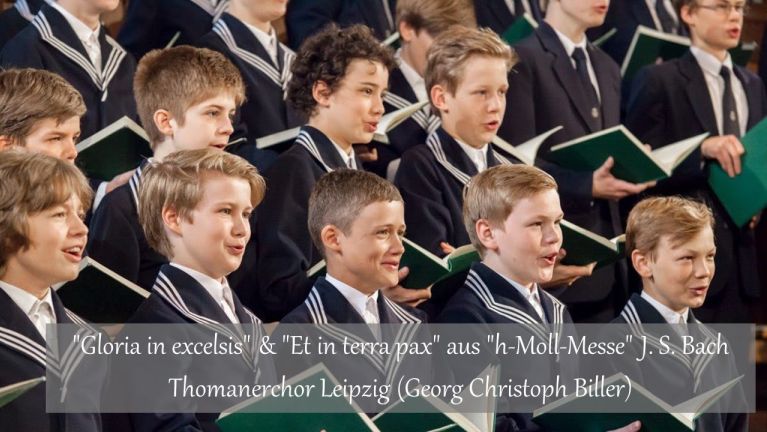
The list of professional ensembles is long – and they have achieved considerable success. Rundfunkchor Berlin performs regularly in major cities such as New York, Tokyo and London. German choirs have also been featured in films. For example, The children’s choir of the Dresden Philharmonic contributed its distinctive sound to the film score of the Oscar-winning film The Reader. German choirs have also recorded incidental music for TV series such as Babylon Berlin. Meanwhile, traditional boys’ choirs continue to shape Germany’s musical landscape – such as the Thomanerchor Leipzig, which has been in existence since the 13th century, or the Regensburger Domspatzen, whose roots go back to the 10th century.
Dieses YouTube-Video kann in einem neuen Tab abgespielt werden
YouTube öffnenThird party content
We use YouTube to embed content that may collect data about your activity. Please review the details and accept the service to see this content.
Open consent formGerman choral music has also fully arrived in the age of social media. Groups such as the “German Gents” cover international hits, attracting millions of views.
World Choir Games: international choral competition
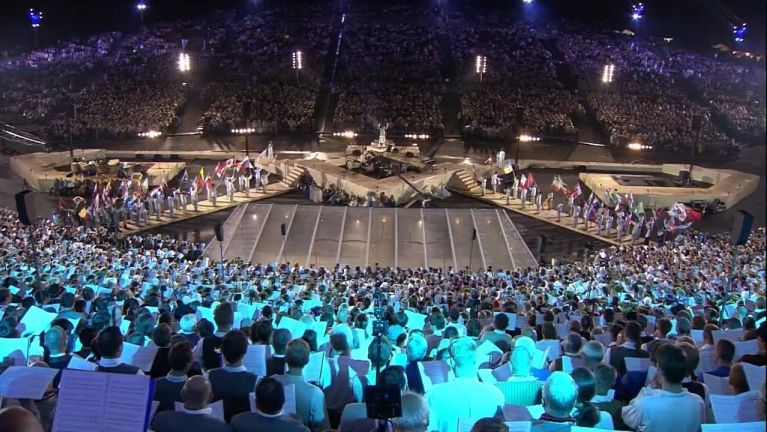
So you could say that choral singing is a national pastime in Germany. But not only there. The World Choir Games is exactly what its name implies: the world’s largest choral festival was founded by the German Günter Titsch and has taken place every two years in a different country since 2000 – the next one will be in Sweden in August 2026. When thousands of people from all over the world gather to sing, it becomes clear just what choirs are capable of achieving: building bridges, uniting voices and bringing people together. In a world so often described as polarised and divided, perhaps singing can still create a little harmony.
Dieses YouTube-Video kann in einem neuen Tab abgespielt werden
YouTube öffnenThird party content
We use YouTube to embed content that may collect data about your activity. Please review the details and accept the service to see this content.
Open consent form

