“Humans are auditory creatures”
Singing generates emotions, creates bonds and strengthens the immune system. Neurologist Eckart Altenmüller explains why no other living being hears, feels and sounds like we do.
 Interview: Ina Brzoska
 Professor Altenmüller, as a neurologist and musician you’ve been doing research into the effects of singing for 30 years. What do you yourself feel when you sing?
I experience a deep sense of well-being. I feel a sense of self-efficacy, I enjoy my healthy body and the emotions I can create with my voice. It liberates me and makes me happy.
So do human beings sing in order to feel happy?
That too – but singing is much more than that. It is an ancient communication system. Our ancestors used melodic and rhythmic sounds to convey emotions and coordinate groups. No other living being can store and produce as many acoustic patterns as humans can. Humans are auditory creatures. It was probably once a survival strategy – there’s a theory that our early ancestors were active at night and communicated by means of sounds.
Of all the studies you have read, which finding surprised you the most?
How strongly singing affects health – and how rarely we make use of it. When people sing together, levels of immunoglobulin A in saliva increase, an important defence against pathogens. This effect is mainly linked to the joy and positive emotional experience of communal singing. It shows how directly musical activity intervenes in physical processes.
The early vocalisations of babies illustrate this very clearly: they produce melodic and rhythmic patterns long before language develops.
At what point in life can this be observed?
In the womb. The early vocalisations of babies illustrate this very clearly: they produce melodic and rhythmic patterns long before language develops. Parents all over the world intuitively understand these patterns and communicate with their babies by singing. This shows how deeply singing is anchored inside us. It structures emotions, creates bonds and is part of our most basic survival mechanisms.
So why do some people find it difficult to just start singing?
In Western culture, we tend to conceal our inner selves because we believe that doing so makes us vulnerable. In Germany we also associate certain notions of expertise with singing. In many cultures, singing is a natural part of everyday life. Among ethnic groups in Africa and the Aboriginal peoples, there are ritual songs and no one feels ashamed. They sing in the same way as they speak. Here in Germany there is a demand for perfection that tends to intimidate many people.
What gives you hope when you look to the future of singing?
Communal singing is currently seeing a revival. Project choirs, open group singing, new festivals – open formats are emerging everywhere that are accessible to everyone. People are actively seeking out this type of communal activity. If we strengthen the next generation of choir leaders, singing has a bright future.

Dieses YouTube-Video kann in einem neuen Tab abgespielt werden
YouTube öffnenThird party content
We use YouTube to embed content that may collect data about your activity. Please review the details and accept the service to see this content.
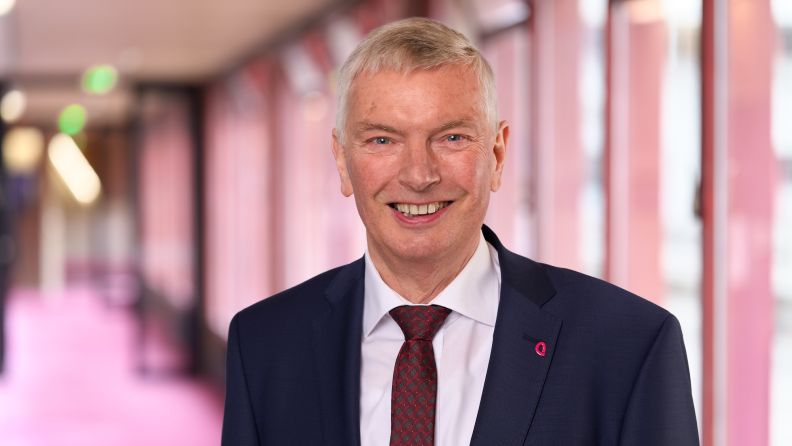
Open consent formis a neurologist, musician and one of the world’s leading researchers into the effects of music and singing. For many years he headed the Institute of Music Physiology and Musicians’ Medicine in Hanover and has spent decades researching how singing affects the brain, emotions and health.