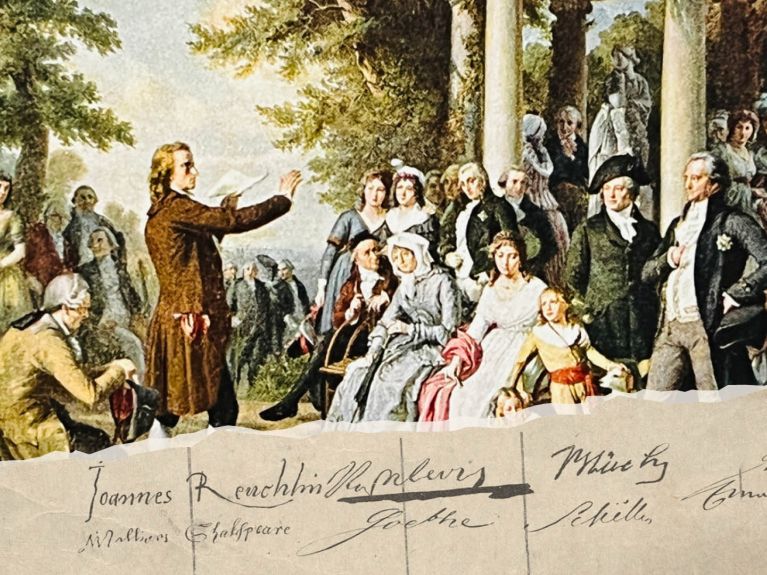
What made Germany a country of poets and philosophers?
Kant, Goethe, Beethoven: many writers and intellectuals of lasting global relevance were German. Here are the reasons.
 Klaus Lüber
 “The country of poets and thinkers” is a phrase that was coined to describe Germany in the late eighteenth century and became popular in the nineteenth century. It is still as relevant today as ever. The fact that it perceives itself as a nation of culture continues to be of central importance to Germany. Hardly any other country spends so much public money on funding culture. This is not merely a question of political will. Culture - and thus also the idea of “poets and thinkers” - is an integral part of the German identity. But how does this come about?
Why did poets and thinkers become national symbols?
When the German Reich was founded in 1871, Germany did not exist as a political entity. Hundreds of principalities, bishoprics and small states shared a language - but they didn’t share a capital or government. France had Paris and England had London. But Germany had Berlin, Dresden, Frankfurt, Leipzig, Munich, Königsberg and Weimar. And it had its writers and philosophers. When Martin Luther (1483–1546) translated the bible in the sixteenth century, this cemented the concept of a shared written language that transcended all the various dialects. This was the foundation upon which German literature and philosophy subsequently blossomed in the eighteenth and early nineteenth centuries. Scholars became points of reference before the nation even existed.
Ideas that changed the world
Immanuel Kant (1724–1804) raised questions that reshaped Western philosophy as a whole: What can we know? What should we do? His “categorical imperative” demands that one should act only in accordance with rules that could be applied to everyone. Gotthold Ephraim Lessing (1729–1781) was a champion of common sense, religious tolerance and the Enlightenment.
In around 1800, Johann Wolfgang von Goethe (1749–1832) and Friedrich Schiller (1759–1805) were the defining figures of Weimar Classicism. Goethe wrote “Faust” – his play that explains the desire for understanding what fundamentally drives human beings - while Schiller combined literature with the ideal of political and personal freedom. Annette von Droste-Hülshoff (1797–1848) combined precise observations of nature with social criticism, while Karoline von Günderrode (1780–1806) wrote about freedom and self-determination in the traditions of Romanticism. Bettina von Arnim (1785–1859) turned literature into a forum for social and political issues. The Berlin Salon established by Jewish writer Rahel Varnhagen (1771–1833) brought people of different backgrounds together for discussions of literature, philosophy and theatre.
Heinrich von Kleist (1777–1811), Georg Wilhelm Friedrich Hegel (1770–1831) and Arthur Schopenhauer (1788–1860) asked questions about power, history, freedom and human will. From the 1840s, Karl Marx (1818–1883) focused the spotlight on the conflict between social classes – his criticism of capitalism still has an impact worldwide to this day.
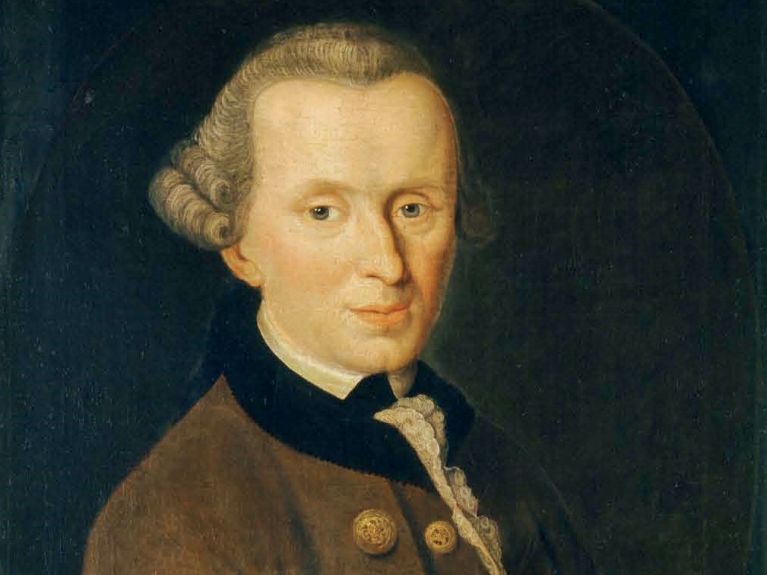
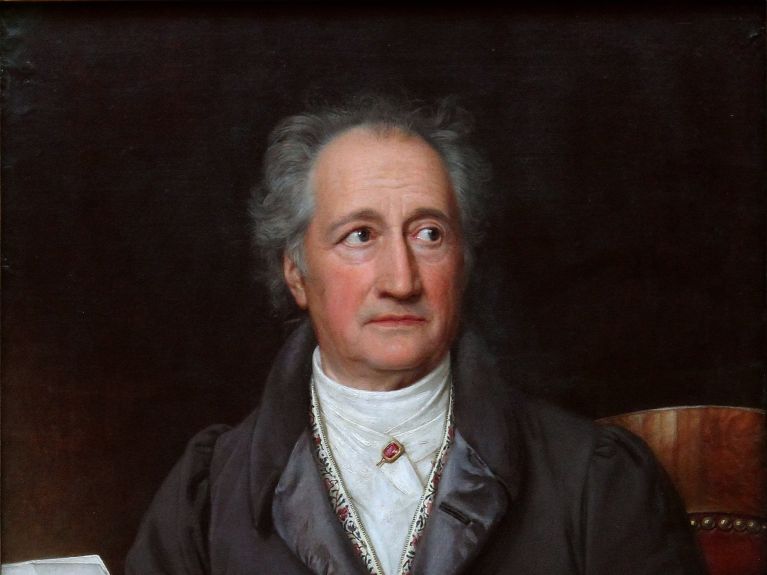
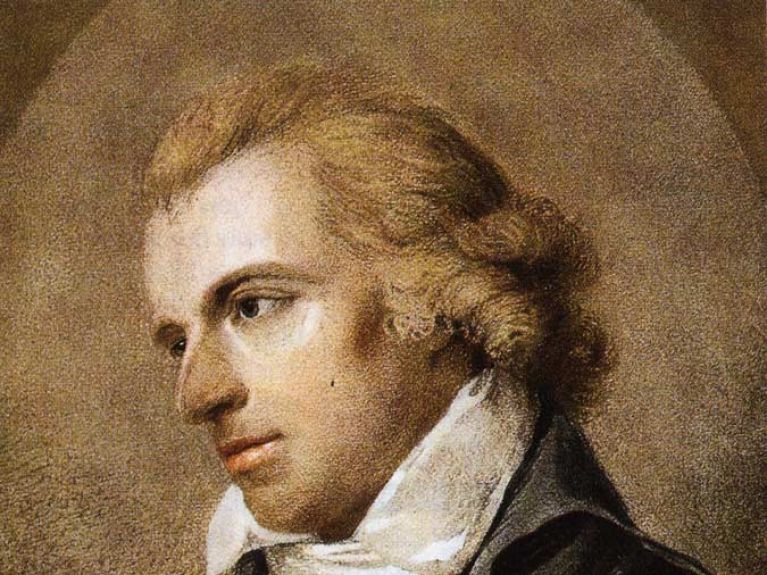
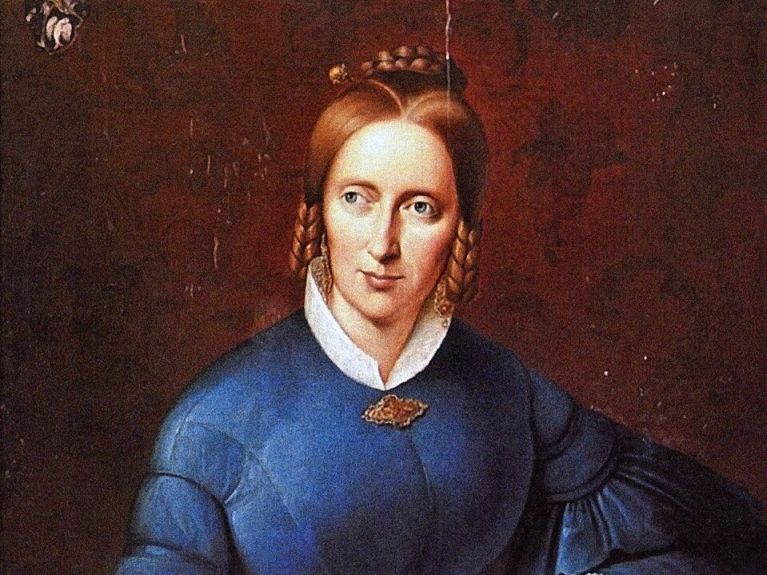
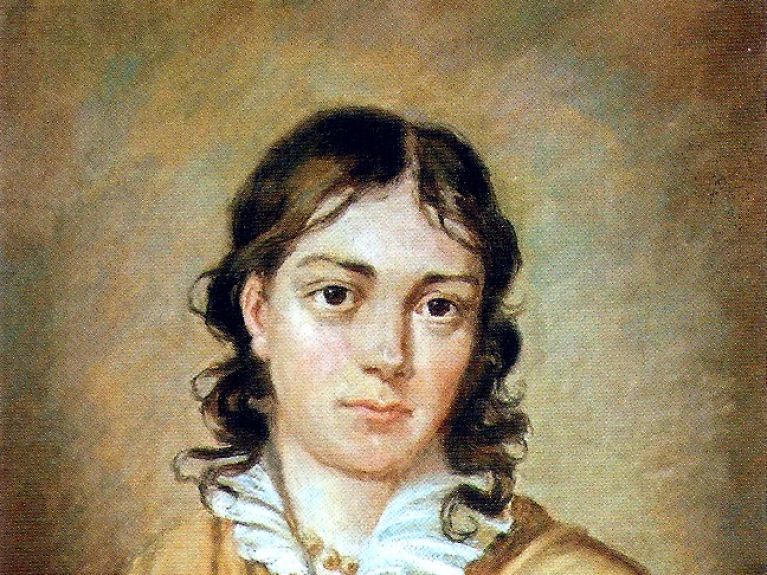
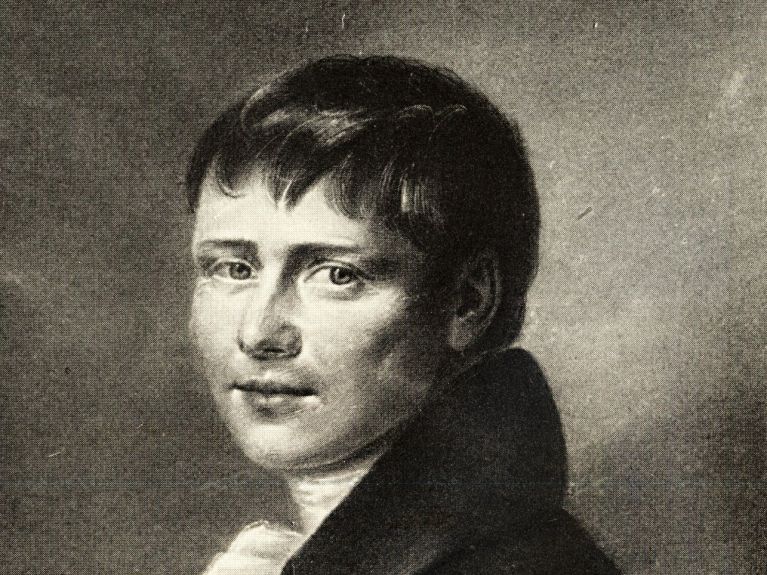
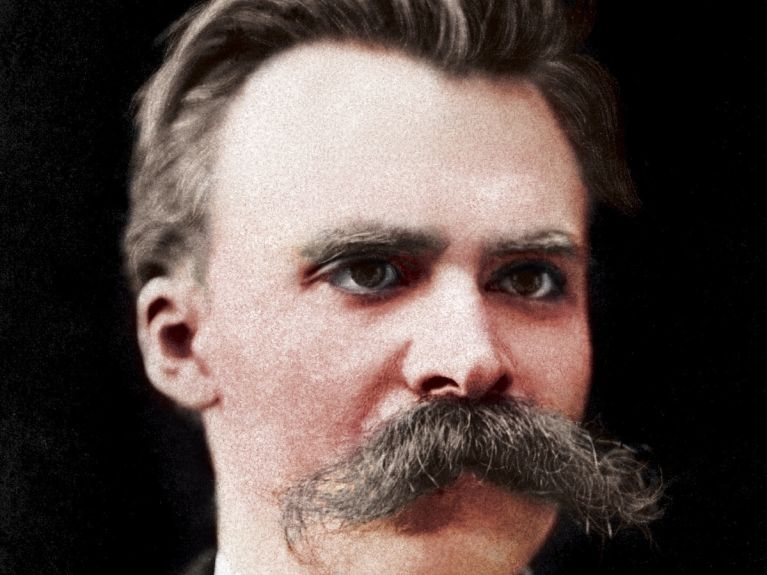
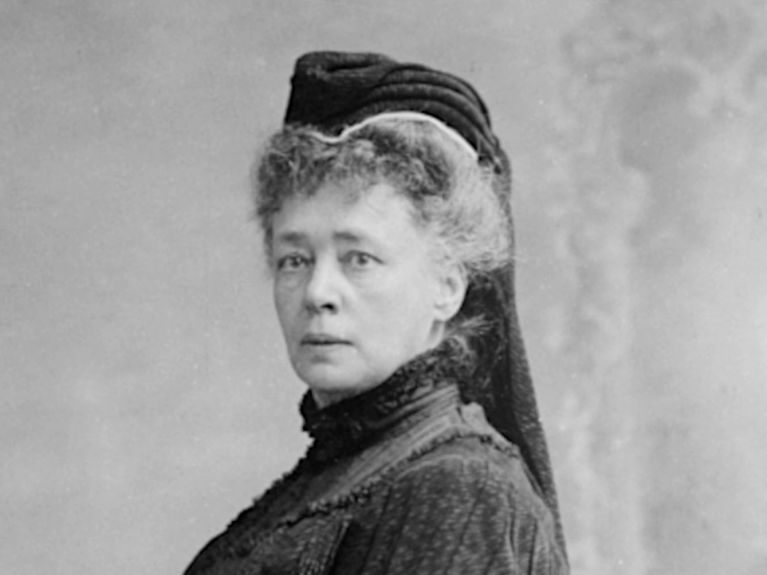
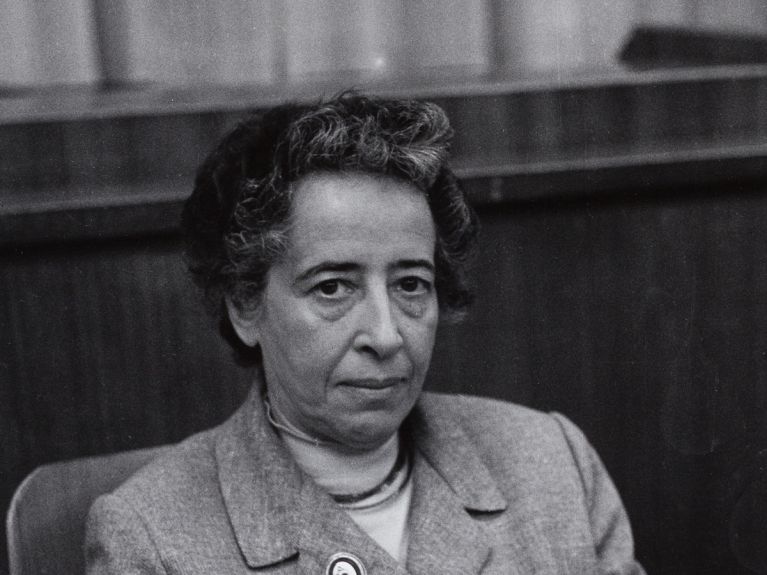
In the second half of the nineteenth century, Friedrich Nietzsche (1844–1900) criticised conventional morality and religion. Helene Lange and Hedwig Dohm campaigned for women’s education and rights. Bertha von Suttner (1843–1914) became a central figure in the peace movement with her novel “Lay Down Your Arms!” and was the first woman to win the Nobel Peace Prize in 1905. Rosa Luxemburg (1871–1919) combined political theory with harsh criticism of war and authoritarian structures. In the twentieth century, Hannah Arendt (1906–1975), after experiencing dictatorship and exile, studied totalitarian rule and political freedom. She coined the term “banality of evil” – the idea that even ordinary people can commit terrible atrocities and that this can be due to a lack of critical thinking.
What role do the middle classes play?
This blossoming also became possible thanks to a new power in society: the educated middle classes. In the eighteenth century, merchants, lawyers, priests and professors rose to become an influential social class. They didn’t see education as a luxury but as a status symbol. Anyone who read Schiller, was familiar with Kant’s ethics, went to concerts or played an instrument themselves belonged to this new class.
This demand among the middle classes for education led in the early nineteenth century to a reform that was to have significant consequences: German universities – in Göttingen, Heidelberg and later Berlin – evolved to become leading places of research. Wilhelm von Humboldt (1767–1835) put forward the ideal of a university that combines research and teaching and fosters independent thought. This attracted students from all over Europe and America.
What is the significance of this legacy today?
The large sums of money that the federal, state and municipal governments spend on cultural education highlight just how important this is to Germany: around 15 billion euros in total is spent on culture. Germany boasts nearly 7,000 museums and just shy of 800 theatres, with around 1.3 million people working in the cultural sector.
However, anyone who uncritically uses the expression “poets and thinkers” is ignoring one important fact: Germany has always been a country of political contradictions. During the Nazi period, poets and thinkers were forced into exile, persecuted and murdered - while the regime abused culture and appropriated it for its own ideological purposes. That’s precisely why part of German identity nowadays involves critically engaging with this view of the nation.
Furthermore, the term “culture” has a much wider meaning these days and includes not only museums, theatres, opera and classical literature, but also clubs, off-spaces, galleries, cinema, pop culture and digital art. One excellent example of this shift is the fact that Berlin techno was included in Germany’s list of intangible cultural heritage in 2024. The country of poets and thinkers is constantly reinventing itself.


