“We are living in a state of emergency”
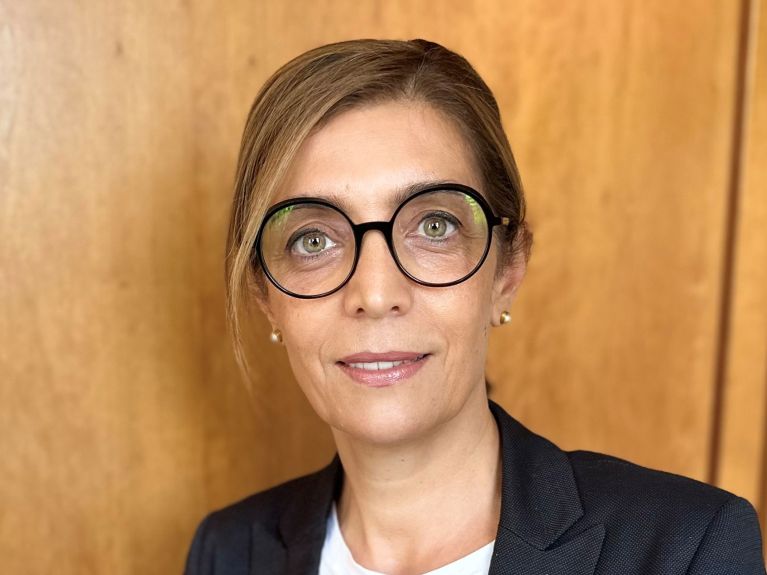
Parisa Fathi is an eye doctor in Bremen and originally from Iran. She cooperates with other medical practitioners to help people in her home country.
 Ralf Isermann
 They are working as doctors, psychologists and pharmacists in Germany but are originally from Iran: around 40 exiled Iranians founded the ParsiMed association in Germany in 2022. Their goal is to help people in their home country who are affected by the mullah’s oppressive rule.
One of these medical experts is Parisa Fathi. The 58-year-old has been living in Germany since 1988 and is an eye doctor in Bremen. The current situation in Iran has been keeping her awake at night, not only because she worries about her friends and family. Ms Fathi and the other members of the organisation seek to help victims of the regime’s brutal attacks from afar. The eye specialist is working enormously hard, doing this work in addition to her normal job.
She explains that injured people had been contacting the group via Facetime since the start of the latest protests. The team of doctors from ParsiMed gives those people practical advice, Parisa Fathi explains: “We take a look at the injuries in the video call to tell whether a person needs to go to hospital immediately or whether their injuries can be treated otherwise.”
Helpless situation
However, Facetime has meanwhile stopped working. “We have not been in direct contact since the internet was blocked entirely in Iran,” Ms Fathi says. This has put the volunteers from ParsiMed in a terribly helpless situation, and they only receive information sporadically now. “We get information from people who have left the country, and sometimes emails from colleagues do get out somehow. They report about the catastrophic situation in hospitals that have, for example, run out of banked blood,” she reports.
We are shocked ourselves by how extreme and brutal things have become.
There is not much the helpers from ParsiMed can do right now. The eye specialist speaks about how people from Iran had asked them to appeal to all doctors in Iran to come to the hospitals, as the medical staff on duty had reached their limits. New supplies of blood had also been requested, she says, adding that the “communication blackout has made it very difficult to help at all”. “We are shocked ourselves by how extreme and brutal things have become.”
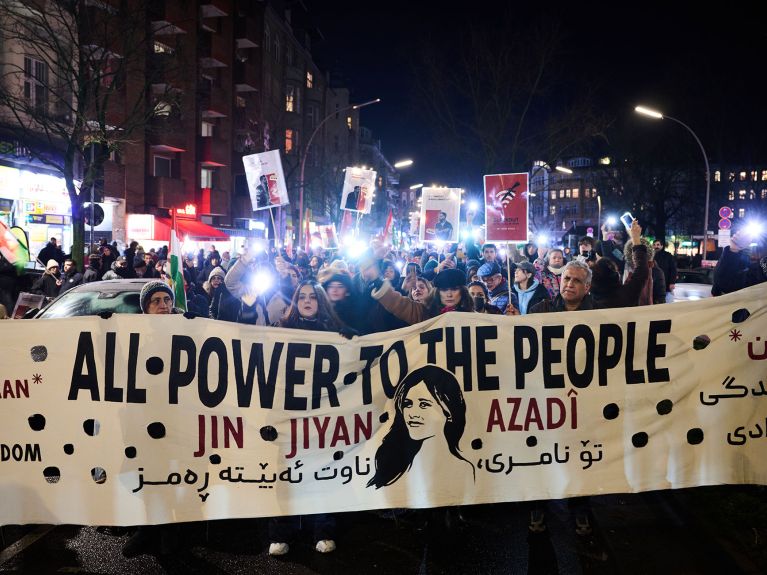
The ParsiMed association was founded in 2022 during that year’s popular protests against the Iranian regime. Many people with Iranian roots attended protests in Germany, too. “We have since lived in a state of emergency and our work never stopped,” Ms Fathi says. She recalls that during those protests in Iran young people in particular had been shot in the eyes from very short distances and that there had also been poison gas attacks. “I saw some terrible eye injuries,” Parisa Fathi states.
Anyone who wants a peaceful Europe must take an interest in this issue.
In addition to offering treatment from afar, the organisation has launched a number of information campaigns in Iran. It also collects donations for operations and sources medicines. The members of the organisation who are active across Germany have created a network. In late January 2025, representatives of ParsiMed visited the Bundestag to inform the health committee about the situation in Iran. Parisa Fathi says that she continues to make use of her contacts to German policy makers.
“Our absolute number one request to German politicians is to give up their current policy on Iran. It is impossible to negotiate with those terrorists,” Ms Fathi says. The exiled Iranians believe that the so-called Revolutionary Guard should have been added to the EU’s list of terrorist organisations a long time ago. The eye specialist calls on all Germans to understand that, “It is naive to think that Iran is far away. This issue is relevant to everyone.” She continues by explaining that Iran had facilitated the formation of terrorist organisations that have been organising attacks, also in Europe. “Anyone who wants a peaceful Europe must take an interest in this issue.”


