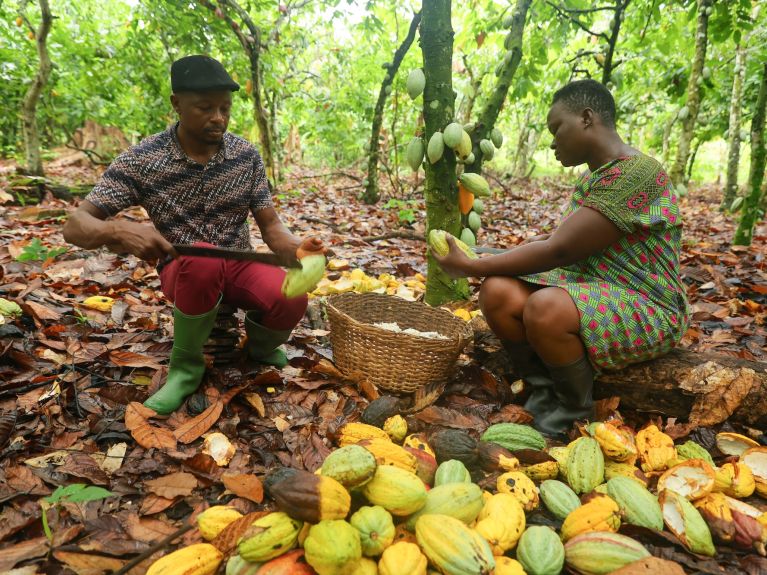
German chocolate made with cocoa from Africa: enjoying a treat with a clear conscience
Germans love chocolate - and also produce it. Companies and consumers are increasingly keen to ensure that pay and working conditions are fair on cocoa plantations in Africa.
Chocolate eggs, bunnies and chicks - the Easter period sees demand for sweet treats soar in Germany. In 2024, German companies manufactured more than a million tonnes of cocoa-based chocolate products worth 6.75 billion euros - over 90 percent of which they exported. Chocolate lovers are increasingly feeling the pinch, however. Prices of cocoa, the most important ingredient in chocolate, have risen sharply in recent years - partly due to a smaller cocoa crop in West Africa and partly because of growing global demand.
Germans are increasingly buying fair trade products
Another trend is having an impact too: more and more consumers want to know where and how the products they buy are made. Various labels on packaging promise that the products in question have been classified as “fair trade”, meaning that producers work under humane conditions (e.g. no child labour) and receive appropriate pay and that ecological standards are complied with – this also applies to cocoa growing in Africa. That said, no universally applicable legal definition of “fair” exists. Critics warn that such labels do not guarantee compliance with the rules. All the same, it seems that many consumers trust that they do: according to the association Forum Fairer Handel, sales of fair trade products increased by eleven percent to around 2.6 billion euros in 2024, marking a new record in Germany.
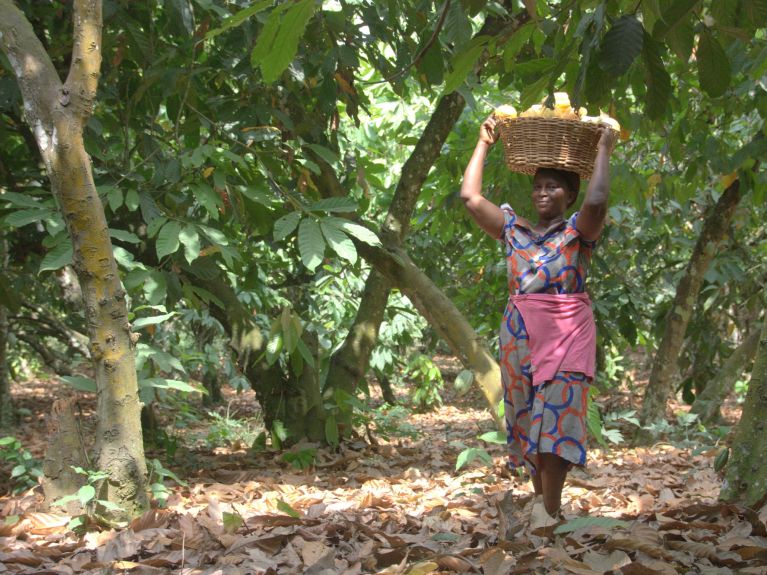
“Fairtrade” is the most widely recognised label worldwide. The organisation says that 2025 saw sales of fair trade cocoa surge by nearly twelve percent in Germany, despite the high cocoa prices. “Even in economically difficult times, consumers continue to buy chocolate containing real cocoa– and are increasingly opting for products displaying the Fairtrade mark,” says Fairtrade Germany Managing Director Claudia Brück.
Fair trade chocolate in supermarkets
These products have long since become ubiquitous on supermarket shelves, sometimes even in the form of discount supermarkets’ cheaper own brands. “By selling fair trade products, we show that we take our responsibility for sustainable business models seriously,” says Stefan Krämer from the German retail group Rewe, which operates Europe-wide. Lidl, the German food retail group with supermarkets all over Europe and in the USA, announced in February 2026 that it would be using a “living income programme” to pay significantly more to cocoa suppliers for its own-brand chocolate products: “We are contributing to a living income for cocoa farmers and making sustainable chocolate enjoyment affordable for everyone,” says Christoph Graf, Lidl’s chief merchandising officer. Non-governmental organisations such as Inkota have welcomed this step and called for other retail groups to follow suit.

Ritter Sport: creating social impact
“Only if we know where our cocoa comes from and who has farmed it can we take effective steps to improve social, economic and ecological conditions in the long term,” says Andreas Ronken, CEO of internationally successful chocolate manufacturer Ritter Sport. By its own account, the family-run business from Baden-Württemberg has been ensuring fair conditions for more than 35 years. Ritter Sport says that it buys much of its cocoa from producers in Ghana and Côte d’Ivoire. “We talk to the people at the local level to create economic and social impact,” says company spokeswoman Petra Fix. Partnerships would improve the living conditions of around 19,000 African farmers.
Fairafric produces chocolate in Africa
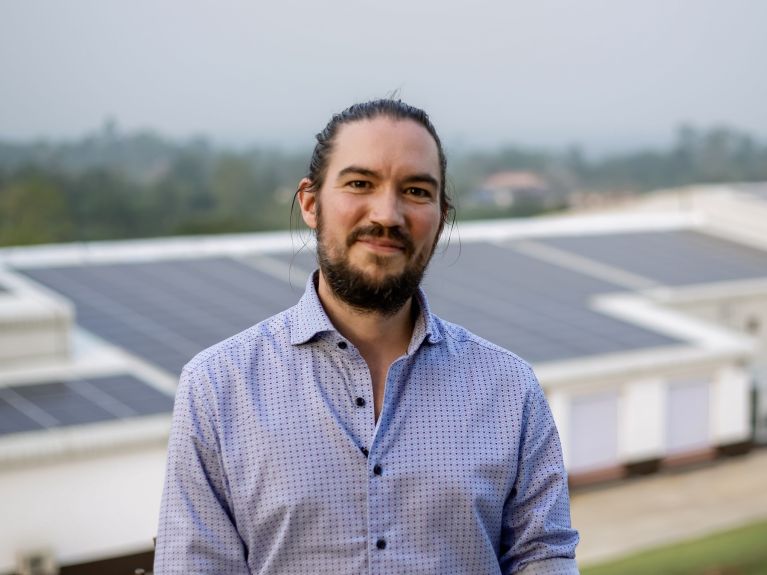
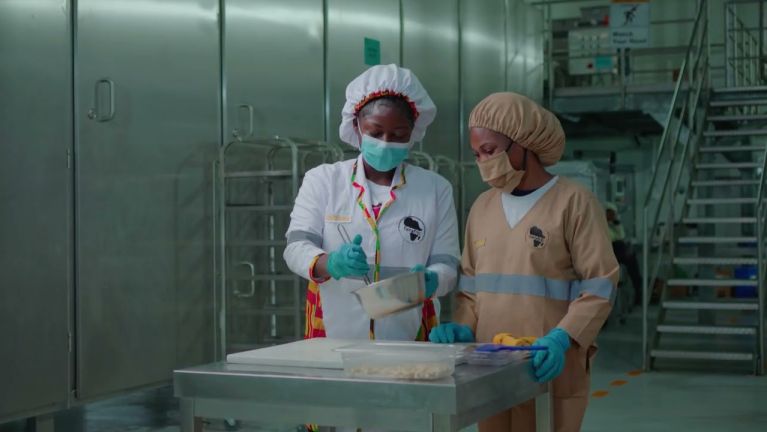
Fairafric takes a different approach. A company based in Munich and Amanase in Ghana, it produces chocolate for the global market directly in Africa. “It’s unfair: only an estimated seven percent of the cost of a bar of chocolate actually goes to the country that produces the cocoa,” says Henrik Reimers, founder and CEO of Fairafric. “The obvious solution is to produce locally, creating more local value.” Fairafric says the goal is to develop chocolate and food clusters involving suppliers, service providers and skilled jobs. To this end, the company has set up its own chocolate factory close to the Ghanaian capital Accra and is tapping into new markets: “Chocolate is no longer a premium product in Africa, either,” says Reimers, “Ghana is now our second-largest market, meaning of course that we have greater market proximity.” On Fairafric’s website, numerous Ghanaian employees introduce themselves and their jobs in blog posts and videos.
Dieses YouTube-Video kann in einem neuen Tab abgespielt werden
YouTube öffnenThird party content
We use YouTube to embed content that may collect data about your activity. Please review the details and accept the service to see this content.
Open consent formGermany’s government commitment
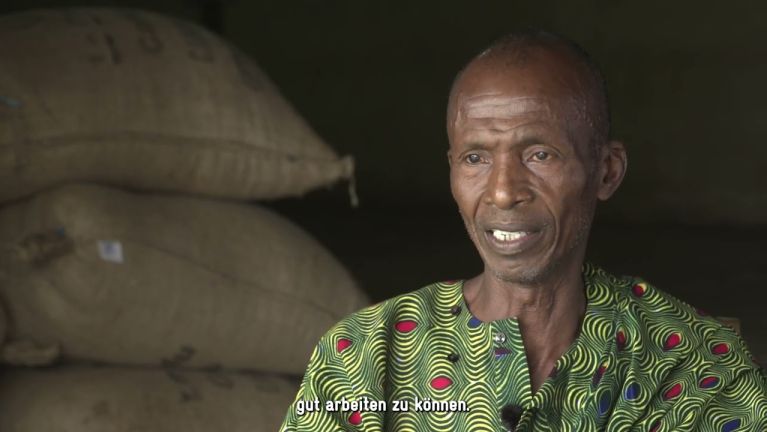
Together with businesses, Germany’s Federal Government is also committed to fair conditions for cocoa farmers via the German Initiative on Sustainable Cocoa. In the Pro-Planteurs project, for example, the organisation supports more than 30,000 cocoa farmers and their families by helping them improve their incomes and professionalise their work. One of the cocoa farmers who talks in a 2022 video about her positive experiences of Pro-Planteurs is Nicole Tambo-Outtara from Côte d'Ivoire.
Dieses YouTube-Video kann in einem neuen Tab abgespielt werden
YouTube öffnenThird party content
We use YouTube to embed content that may collect data about your activity. Please review the details and accept the service to see this content.
Open consent form

