Support from exiled Iranians in Germany
Iranians in Germany show their solidarity with the protestors, appeal to German politicians and discuss possible future prospects.
In Iran, thousands of people have been taking to the streets since late 2025 to protest against the mullah regime. The wave of protests has now largely died down after having been brutally quashed by the Revolutionary Guards. Communication has also been blocked: the internet has been shut down or severely restricted in large parts of the country.
In Germany, Iranians in exile and Germans with Iranian roots have been following events with both hope and fear: they demonstrate their solidarity, try to organise support and discuss possible future prospects beyond the Islamic Republic.
Solidarity and appeals rather than turning a blind eye
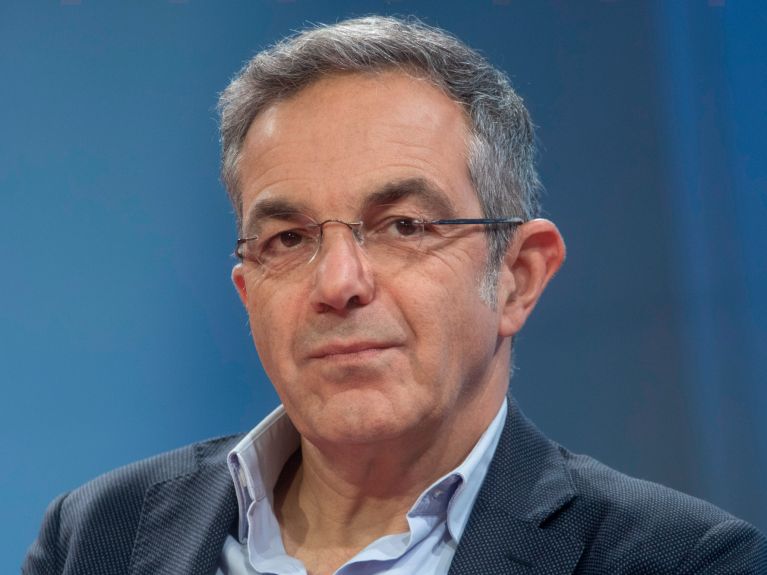
Writing in German newspaper “Süddeutsche Zeitung”, German-Iranian writer Navid Kermani addressed the following words to the people in Iran: “You are already fighting for liberation yourselves. But you should know how proud I am of you.”
Many of the opinions expressed by the diaspora are very personal. TV presenter Negah Amiri, who lives in Cologne, writes for example: “As a child, it was always my dream to live in freedom … I will never be truly free while others are not.” Frankfurt’s mayor, Nargess Eskandari-Grünberg, warns against turning a blind eye to what is happening in Iran: “Silence is not neutrality. It is complicity.” Meanwhile, the author Gilda Sahebi states: “The regime is using a level of force that is unimaginable.”
Calling on German politicians
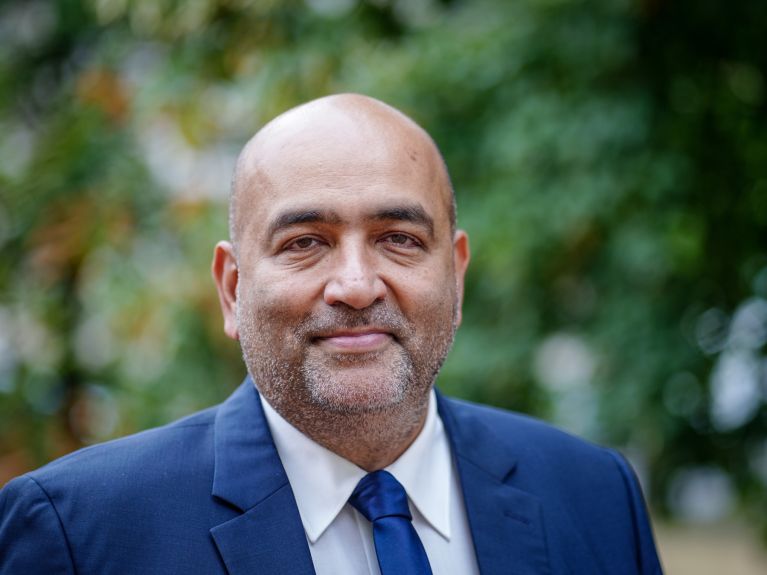
German politicians with Iranian roots are also speaking out. Bundestag Vice President Omid Nouripour has made the following statement: “The brutal actions of the mullah regime require an immediate and tangible response; it must not get away with this unscathed.” Nouripour is calling for the Revolutionary Guards to be prohibited, their assets to be frozen and entry bans imposed on them; he also believes that it is essential to help “secure as quickly as possible all evidence of the crimes of the mullahs so that those responsible can later be held to account”.
CDU politician and member of the Bundestag Reza Asghai is also demanding concrete political action: “During this revolutionary process, which is moving forward in ever new waves, the Iranians deserve our complete solidarity and support. This includes putting the Revolutionary Guards on the EU’s terrorist list, something which should have happened a long time ago, and tightening the sanctions wherever this is still possible.”
FDP politician Bijan Djir-Sarai stresses: “Freedom and democracy are also our values. The people in Iran deserve our full solidarity and support!”
Prospects for Iran: hopes pinned on Shah’s son?
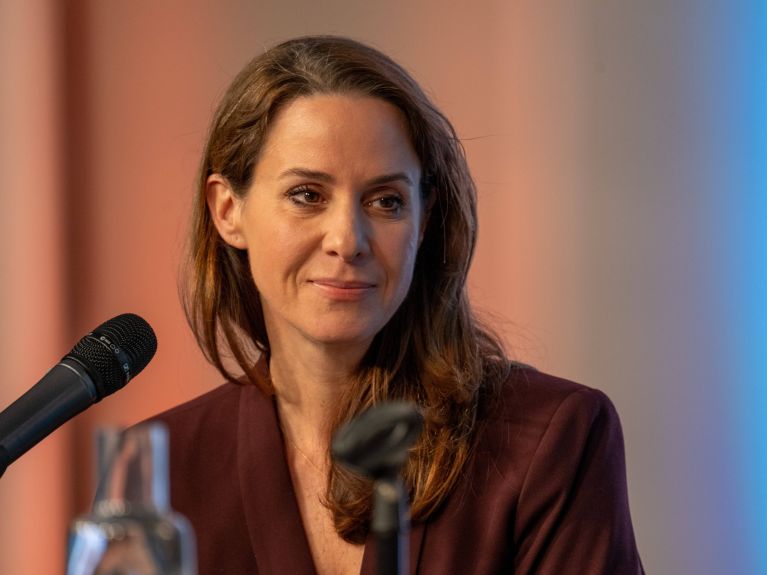
Many Iranians in exile are interested not only in sanctions but also in how the country might evolve if the regime were to collapse. Iran expert and author Natalie Amiri is convinced that the great majority of people in Iran want democracy.
However, there are still supporters of the mullah regime. German international broadcaster Deutsche Welle cited an expert in molecular medicine - not using her real name - who lives in Bonn and is no longer in contact with her father or brother because both support the regime. Many families appear split in this way, both in Iran and in some cases those in exile abroad.
Some are pinning their hopes on Reza Pahlavi, the son of the last shah of Iran, who ruled his country as an authoritarian monarch until 1979. Reza Pahlavi has been living in exile in the US for decades. “I believe that Reza Pahlavi deserves to be given a chance,” says Apameh “Api” Schönauer, who was crowned Miss Germany in 2024 and was born in Teheran. Female bodybuilder and influencer Behnaz Nasrollahi Azar also supports the former shah’s son: “On the streets of Iran they are calling out the name Reza Schah Pahlavi as a symbol of dignity, identity and hope and demanding their legitimate right to freedom, democracy and a dignified life.”
Many take a different view, however. The chairman of the Association of Iranian Refugees in Berlin, Hamid Nowzari, once fought against the shah, Reza Pahlavi’s father. He sees the Iranian population’s jubilant support of the shah’s son as an “expression of complete hopelessness”.
In a guest article for German newspaper “Tagesspiegel”, the journalist Maryam Mardani wrote that freedom-loving demonstrators shudder at the thought of reinstating the monarchy. “They ask quite rightly: Are we fighting and shedding so much blood only to have one dictator replaced by another?”


