German engineering for the Sagrada Família
The southern German company Gartner is a globally sought-after façade specialist. The cross the company created for the Sagrada Família in Barcelona is a masterpiece.
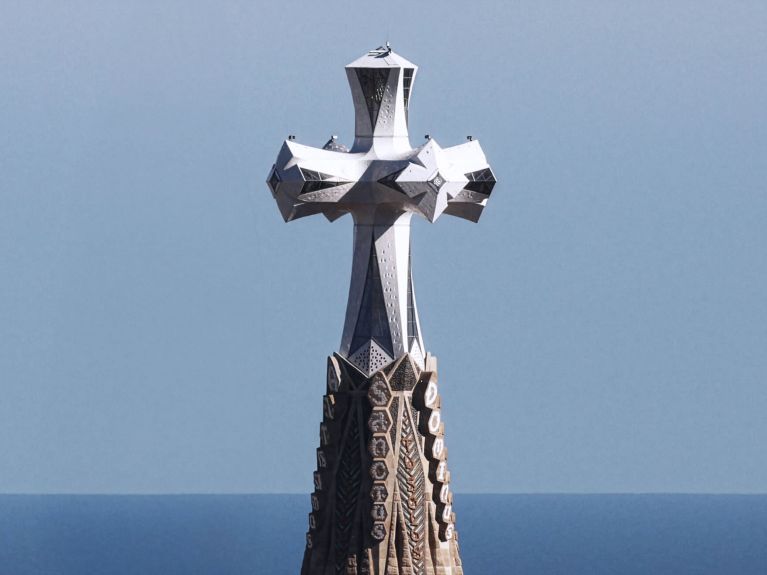
Standing 17 metres high, 13 metres wide, accessible to visitors and illuminated at night: since February 2026, a gigantic cross made of glass, steel and concrete has crowned Barcelona’s famous Sagrada Família. It has made Antoni Gaudí’s world-famous basilica the tallest church in the world. At 172.5 metres, it surpasses the previous record holder, Ulm Minster in southern Germany, by almost eleven metres.
The spectacular cross was manufactured in the Bavarian town of Gundelfingen, which is home to the company Josef Gartner, a classic hidden champion: a world leader in a highly specialised niche, yet little known to the general public. There are around 3,400 such companies worldwide – almost 1,600 of them are based in Germany.
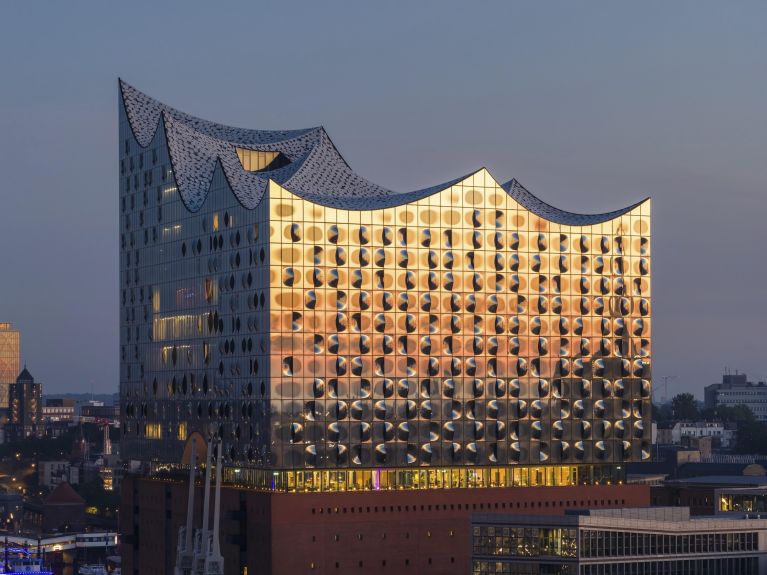
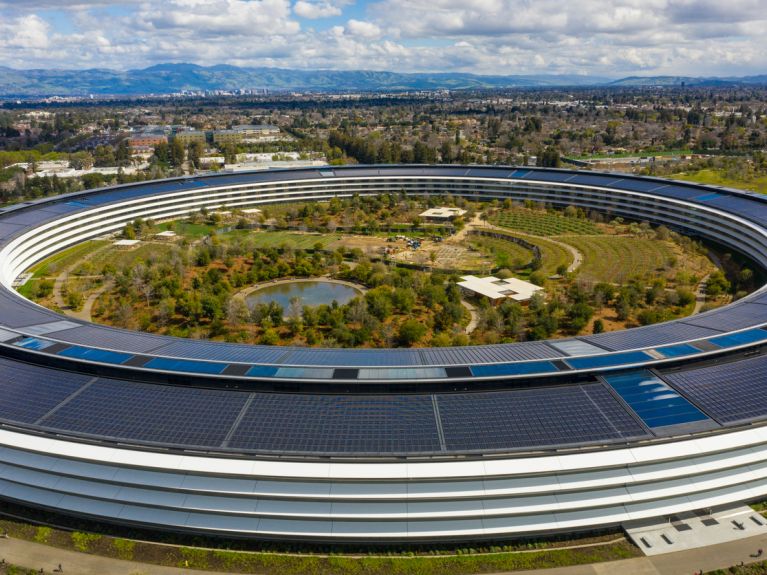
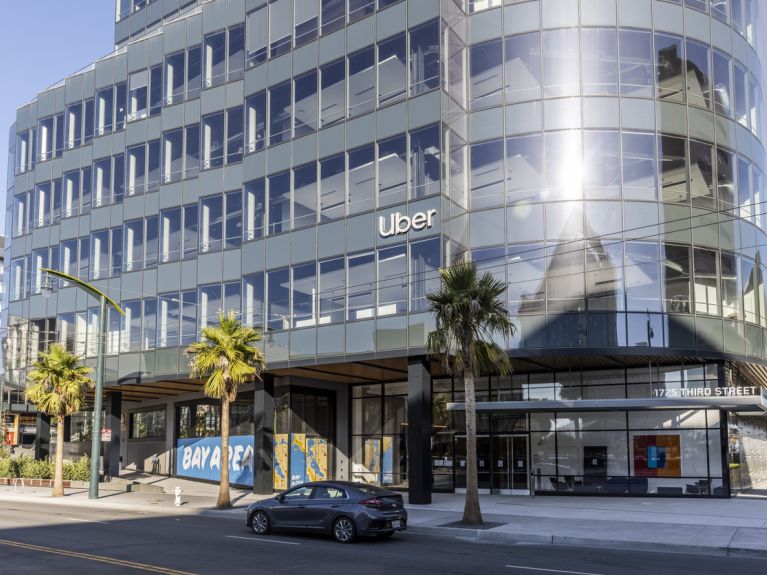
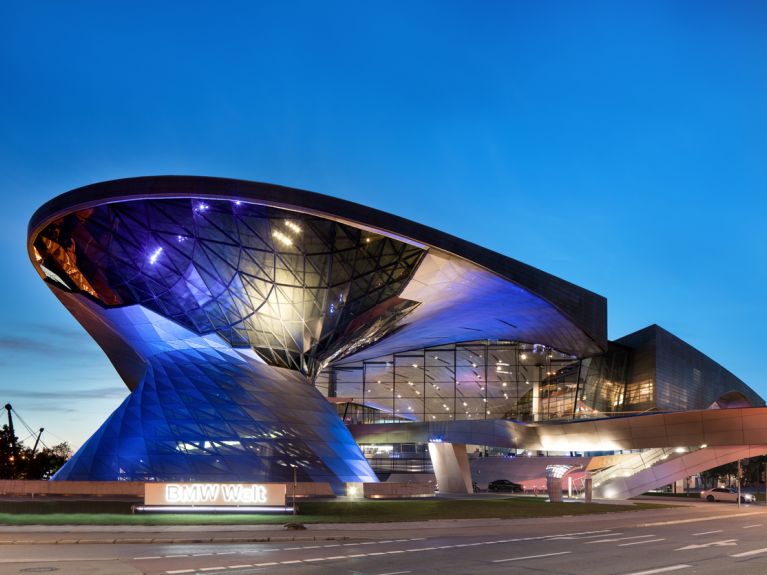
Gartner specialises in aluminium, steel and glass façades, supplying architecturally ambitious buildings around the world, including Apple’s headquarters in Cupertino, Uber’s headquarters in San Francisco, BMW Welt in Munich and the Elbphilharmonie concert hall in Hamburg. For the iconic concert hall, the company manufactured around 22,000 square metres of façade incorporating 2,200 panes of glass.
A walk-through cross made of steel and glass has never before been built in this form.
Panoramic views across Barcelona and the Mediterranean
Yet even for this globally sought-after façade specialist, the commission from Barcelona was in a class of its own. “We normally work on office buildings, airports and museums,” says Managing Director Jürgen Wax in an interview. “This was the first time we’d worked on a cathedral – not on the façade or the roof, but on a work of art.”
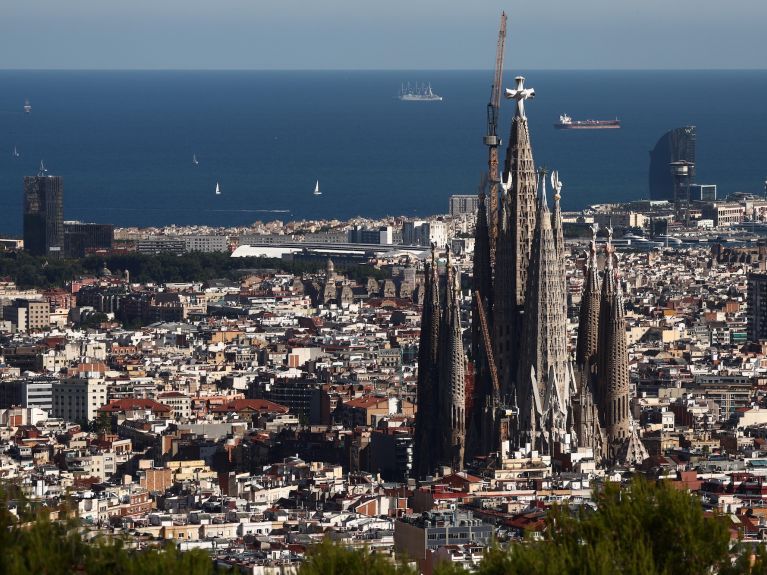
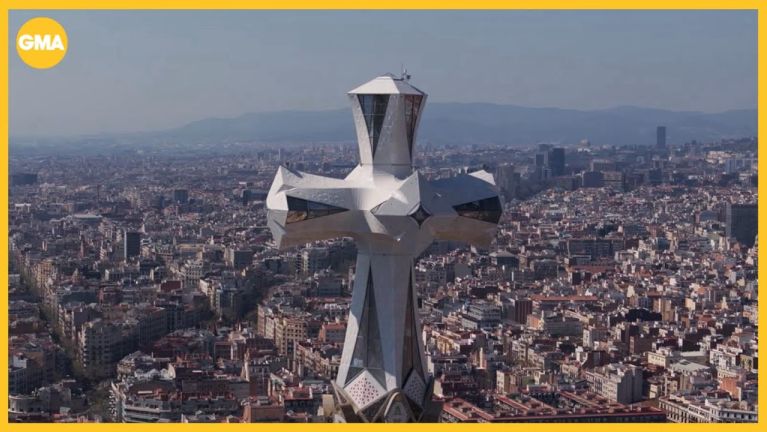
The project also presented major technical challenges: the tallest of the 18 towers was to support a geometrically complex work of art with numerous curves and twisting arms. A spiral staircase provides access inside the cross, while the windows offer sweeping views across Barcelona and the Mediterranean. The structure is supported by a stainless-steel framework encased in concrete and clad in glass, natural stone and ceramic. At such a height, the structure has to withstand extreme loads and severe weather conditions. “A walk-through cross made of steel and glass has never before been built in this form and is unlikely to be built again any time soon. That’s why the Sagrada Família is likely to inspire people for centuries to come,” says Jürgen Wax.
Dieses YouTube-Video kann in einem neuen Tab abgespielt werden
YouTube öffnenThird party content
We use YouTube to embed content that may collect data about your activity. Please review the details and accept the service to see this content.
Open consent formFrom a small metalworking shop to an international company
The company’s origins date back to 1868, before construction of the Sagrada Família had even begun. Josef Gartner founded a small metalworking shop in Gundelfingen, which soon turned to steel structures of every kind, including bridges and components for trams. In the post-war period, the company shifted its focus to building façades, which were in great demand during the reconstruction era.
Today, Gartner develops modern Closed Cavity Façades (CCF), for example. These double-skin façades provide excellent thermal and acoustic insulation while requiring very little maintenance. Every project is individually designed by Gartner using a 3D model. The company manages and oversees every stage of the process, from design and engineering to logistics, installation and maintenance.
Gartner has been part of the Italian Permasteelisa Group since 2001, which since 2020 has in turn belonged to the US-based Atlas Holdings. Gartner operates internationally: alongside Germany and the rest of Europe, its key markets include the United States, Asia and the Middle East.
By heavy goods vehicle and ship to Spain
The work on the Sagrada Família demonstrated just how complex international projects of this kind can be. Gartner manufactured the approximately 100-tonne cross in Gundelfingen in seven sections, and these were transported to Spain by heavy goods vehicle and ship. In Barcelona, specialists pre-assembled the sections on a specially designed working platform before lifting them onto the tower with a heavy-lift crane. This required ideal wind conditions. The final section was installed in February 2026.
The Sagrada Família remains a construction site: work on the façades and decorative elements is expected to continue until around 2035. However, Pope Leo XIV inaugurated the Tower of Jesus Christ on 10 June 2026. The remaining towers are dedicated to the Apostles, the Evangelists and the Virgin Mary.
Ulm can at least take comfort in the fact that it still has the tallest historic church tower in the world. And the region can proudly claim that Swabian engineering expertise is in demand around the world – and making architectural history. A Catalan flag flew above the Gartner factory in Gundelfingen on the day of the papal inauguration.
Gartner – a hidden champion with a global reputation