Germany as founder nation
More start-ups, more capital, more AI: Germany’s start-up scene is gaining momentum and becoming increasingly attractive – including for people from other countries.
Party atmosphere in Berlin: at the end of May 2026, the German Start-Up Association celebrated the presentation of the German Star-Up Awards. The winners included the best and most promising new ventures with particularly high levels of innovation – among them AI applications, healthcare start-ups, audio platforms and highly committed venture capital funds. “The German start-up ecosystem stands for scientific excellence, social commitment and entrepreneurial vision. Germany knows how to build start-ups,” said Verena Pausder, Chair of the German Start-up Association.
How many start-ups are there in Germany?
A great deal has happened in recent years and months: In 2025, 3,568 start-ups were founded in Germany – 29 per cent more than in the previous year. And they are becoming increasingly international: today, one fifth of all founders have a migration background.
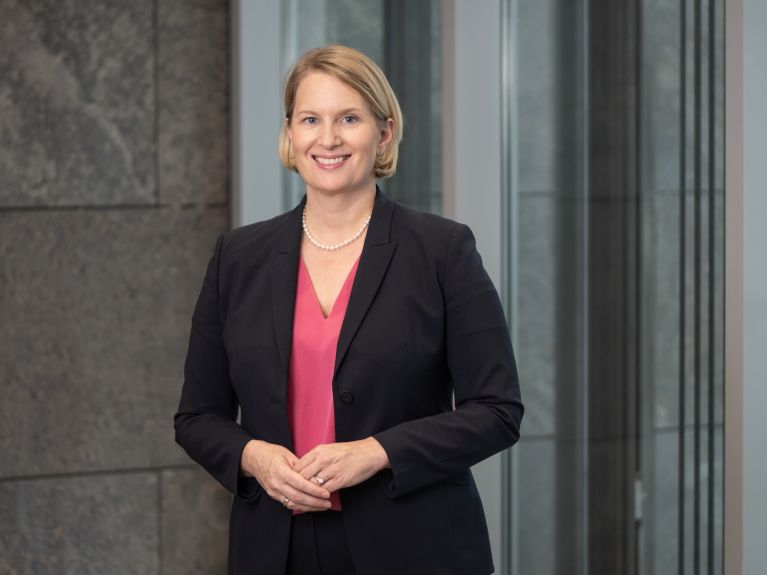
“Germany is one of the few locations in the world that provides such a closely dovetailed combination of excellent research, industrial value creation and access to global markets. For international founders, this means they can not only innovate here but also scale their technologies and transfer them to industrial applications,” says Julia Braune, Managing Director of Germany Trade & Invest (GTAI).
Has it become easier to start a business in Germany?
Overall, the process of setting up a business in Germany has indeed become simpler – including for people from the EU and beyond. Anyone wishing to establish a company needs a residence permit allowing self-employment, a viable business plan and appropriate financing. A number of formal requirements must also be met, including health insurance, any necessary professional licences, the standard business and tax registrations and, where applicable, entry in the commercial register. Efforts to reduce bureaucracy are well under way, however: in the medium term, the aim is to make it possible to establish a company within 24 hours.
Germany Trade & Invest (GTAI) has launched the thematic initiative “Startup Germany”. Through this initiative, the agency offers an international gateway into a highly interconnected ecosystem of talent, investors and industrial partners.
How diverse is Germany’s start-up scene?
There is no shortage of promising new ventures. At the Gendorf chemical park in Bavaria, for example, the Munich-based start-up Tozero recovers high-purity lithium, graphite and a nickel-cobalt mixture from used batteries, while the recently established Caphenia produces sustainable aviation fuel at the same location. And in Aachen, Black Semiconductor is currently building its own chip manufacturing facility. The food and health sectors also recorded an increase in new start-ups in 2025 – further evidence of the diversity of Germany’s start-up ecosystem. Even in today’s challenging economic environment, young and innovative companies are bringing fresh impetus and enormous potential.
Is AI the key driver of new start-ups?
27 per cent of all newly founded start-ups use AI in their business model – from digital applications and medical innovations to industrial solutions. The number of active AI start-ups has risen to 935 – an increase of 36 per cent compared with the previous year. According to observers, this growth highlights the maturity of Germany’s AI expertise.
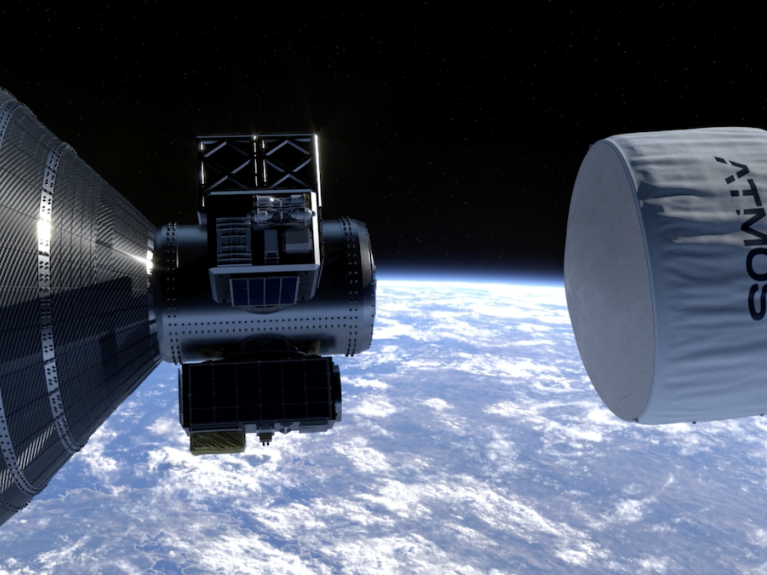
Companies such as the space start-up ATMOS Space Cargo (reusable transport and re-entry systems for orbit), the AI platform Deepset and the drone manufacturer Quantum Systems demonstrate that many start-ups go on to become successful businesses in the long term.
There is no doubt: the security and defence sector has developed into a major economic driver. It is not only the two unicorn companies Quantum Systems and Helsing that are shaping this field. Above all, the number of companies developing dual-use technologies has increased: more than 400 recently established companies are now developing innovations for both civilian and military applications. When it comes to financing such start-ups, Germany is ahead of both the UK and France in Europe.
How are start-ups in Germany supported and financed?
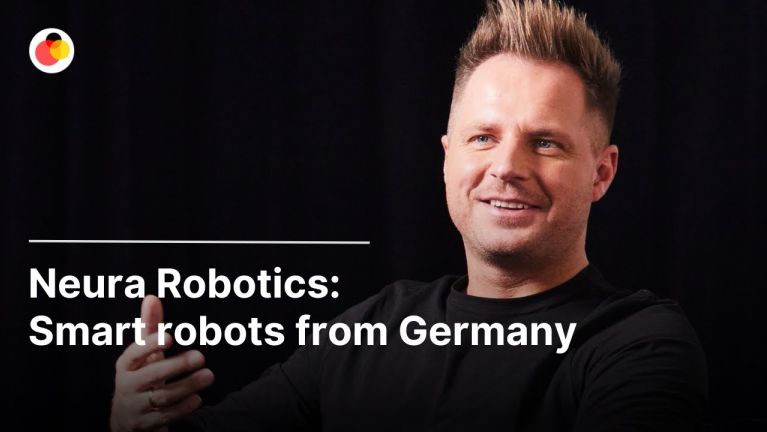
In the early stages, founders generally have little difficulty finding investors from Germany and elsewhere in Europe. Start-ups in Germany received 8.4 billion euros in venture capital in 2025 – almost 19 per cent more than in 2024. One recent example: in June 2026, the AI start-up Neura Robotics raised around 1.4 billion dollars in fresh capital.
Dieses YouTube-Video kann in einem neuen Tab abgespielt werden
YouTube öffnenThird party content
We use YouTube to embed content that may collect data about your activity. Please review the details and accept the service to see this content.
Open consent formHowever, many start-ups still relocate abroad during later growth phases, particularly to the United States, where access to investors is generally easier and faster. “What matters for international competitiveness today is not only founding a company but also scaling it. That is why the German government is specifically focused on mobilising more private capital for growth stages and involving institutional investors more closely,” says Julia Braune of GTAI. “Our mission is clear: Germany is not only to be a powerful hub for start-ups but also a leading base for scale-ups in Europe – with access to major financing rounds and long-term growth capital.”
Key instruments for achieving this include the European Single Market and the European Capital Markets Union. The Germany Fund, an investment fund established by the federal government and the state-owned development bank KfW, comprises around 30 billion euros in public funding and aims to trigger investments worth 130 billion euros, while the WIN Initiative (a public-private initiative to support growth and innovation capital) is designed to make later-stage financing easier, providing 30 billion euros by 2030.


