“Oceans slow global warming, but that comes at a price”
Oceanographer Karina von Schuckmann explains why oceans - the Earth’s ultimate climate buffer - are heating up and why this affects us all, whether we live near the sea or not.
 Interview: Kim Berg
Our atmosphere is warming up more and more as a result of climate change. What role do oceans play in this?
They absorb around 90 percent of the additional heat entering the Earth’s system as a result of climate change , as well as roughly a third of today’s carbon emissions. This acts as a buffer that slows the global warming process. It comes at a price, however: the seas themselves are heating up and becoming more acidic - and a warmer ocean can absorb less CO₂.
What are the consequences of ocean warming - including for land dwellers?
The oceans influence the lives of us all, even those of us who don’t live anywhere near the coast - because of the way they impact the weather and climate, for example. Warm seawater supplies energy and humidity to tropical cyclones, which can make them more severe and longer lasting. Warmer air also stores more water vapour, which can increase the probability of heavy rainfall.
Marine heatwaves, in combination with pollution from agriculture or sewage for example, can result in poisonous algal blooms forming that can destroy ecosystems in coastal regions – leading to what are known as “dead zones” in which fish, shellfish and bottom-dwelling organisms suffocate and submarine plants die. Combined with acidification, ocean warming can also cause coral bleaching and mortality.
Furthermore, ocean acidification has reached a record level due to CO₂ absorption. This poses a serious threat to marine ecosystems worldwide.
Quick facts
Which developments are having an impact on ocean and climate change research just now?
We are seeing a decline in ocean observations and in climate science as a whole. This is primarily because budgets are being slashed - some programmes have not been approved or have even been ended. That’s a major problem. After all, measurement data is needed to develop and verify models. If we do not measure, we are blind.
What outcome do you hope for from COP31?
I hope that the voice of the ocean will carry more weight in international dialogue, that the link between science and policy will remain intact and that more attention will be paid to marine science when political decisions are taken - including in the UNFCCC process. This includes better ocean observations and early warning systems that can protect people, even in non-coastal areas. However, the overriding priority is still to reduce greenhouse gas emissions – that’s absolutely essential.
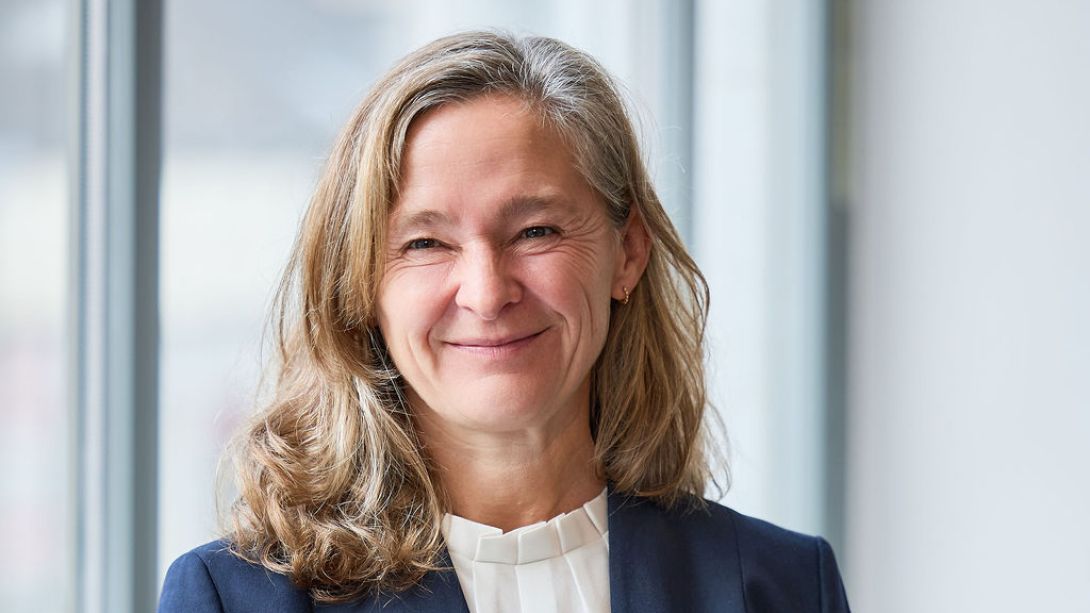
To what extent are the world’s oceans warming up and what are the consequences for our climate? These are the questions that Karina von Schuckmann, one of Germany’s leading ocean researchers, is addressing. A physical oceanographer, she works at Mercator Ocean International in Toulouse, contributes to the reports of the Intergovernmental Panel on Climate Change (IPCC) and is the director of the annual Copernicus Ocean State Report. She is a member of the Group of Experts at the UN Division for Ocean Affairs and the Law of the Sea.