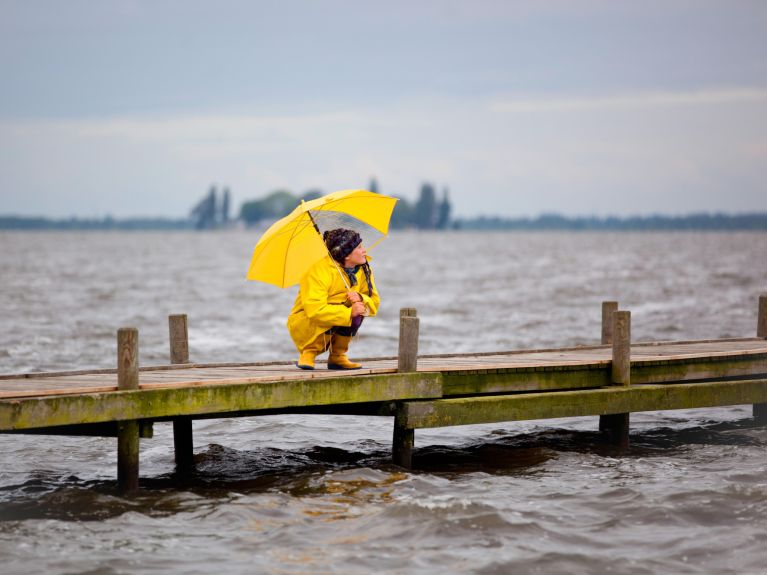
When weather becomes a hazard
School closures due to high temperatures, emergency packs and compulsory gritting in Germany: let us give you some tips that will prove useful in a worst-case scenario.
 Clara Krug
 Black ice, heatwaves, snowstorms: from time to time, Germany experiences periods of extreme weather. The Deutscher Wetterdienst (DWD), Germany’s national meteorological service, uses a system of four warning levels, the highest being “extreme weather”. If you want to be prepared for what’s coming, it’s best to use warning services such as the WarnWetterapp or NINA app. Let us explain what else you need to be aware of:
Black ice
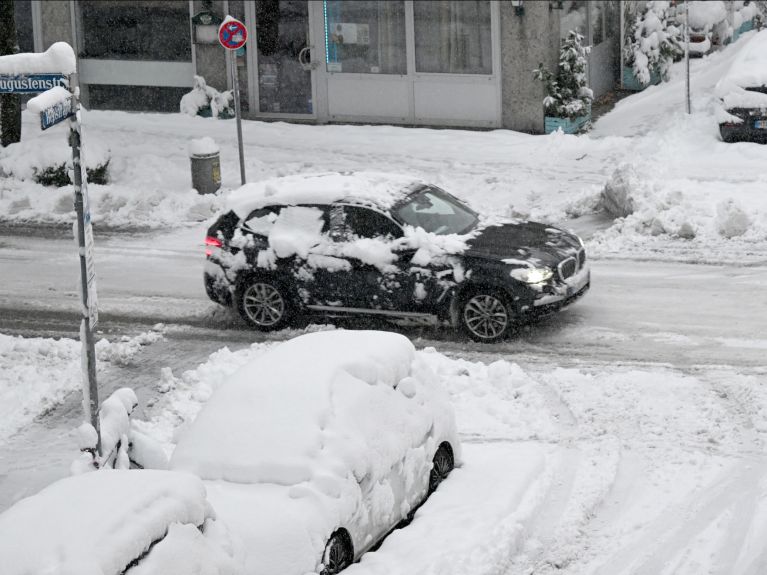
In Germany, snow tyres are compulsory if the weather conditions demand them. In other words, vehicles can only be driven in snowy and icy conditions if they are fitted with appropriate winter tyres. In many towns, home owners are also required to clear and grit the pavements outside their properties in snowy and freezing weather.
Snowstorms and drifting snow
The DWD provides guidance when there is a risk of snowstorms: its official warning levels indicate how serious the situation is. The best way to find out which warning level is in place is to consult the WarnWetter app or the website wettergefahren.de. The DWD provides information there about the situation and contextualises it in its weather warning report.
Flooding
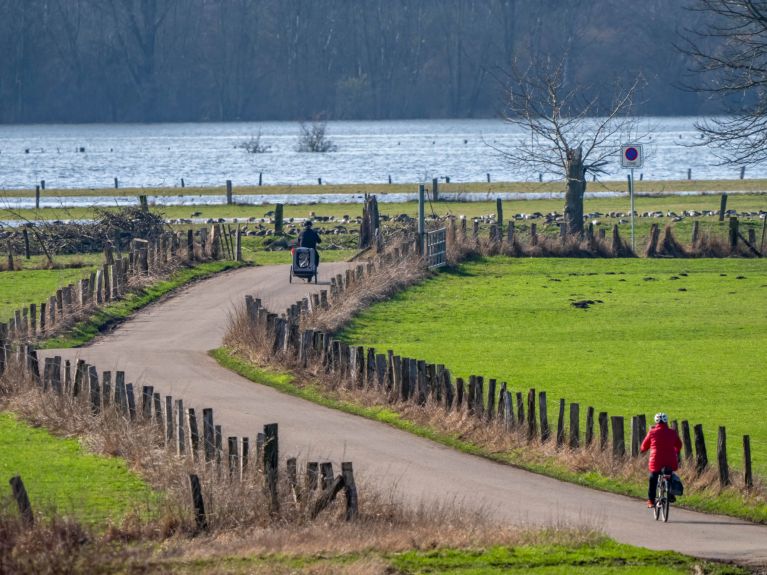
Floods can prove a severe hazard in Germany - as the disastrous floods in the Ahr Valley in 2021 and the River Oder floods in 1997 made only too clear. The Federal Government wants to reduce the risk of disastrous flooding: besides using dykes and retention systems, Germany relies on flood prevention and risk management systems - including its National Flood Protection Programme. You can check the current water levels in Germany by visiting the website www.pegelonline.wsv.de.
Heatwaves
Germany also experiences heatwaves - which can pose a significant burden on people, especially in densely populated urban areas. Some simple steps can make daily life easier: lower the blinds during the day to keep the heat out of rooms. It is also important to drink enough and avoid physical exertion. For families with school-age children, one important question concerns how the high temperatures will be dealt with at school. Normally it will be the head teacher - who may be required to follow certain guidelines depending on which federal state the school is in - who decides whether to close the school early.
Emergency packs and stockpiling
Be it in preparation for power outages or flooding: the Federal Office of Civil Protection recommends a variety of personal preparedness measures – including an emergency pack, a document folder, a medicine cabinet and a stock of food and drinks. In case of power outages, you should also keep fully charged batteries and a battery-operated or wind-up radio to hand.


