Germany’s minehunter
Sea mines threaten the vital shipping route through the Strait of Hormuz. Naval officer Inka von Puttkamer is preparing Germany’s mine countermeasures response.
 Kim Berg
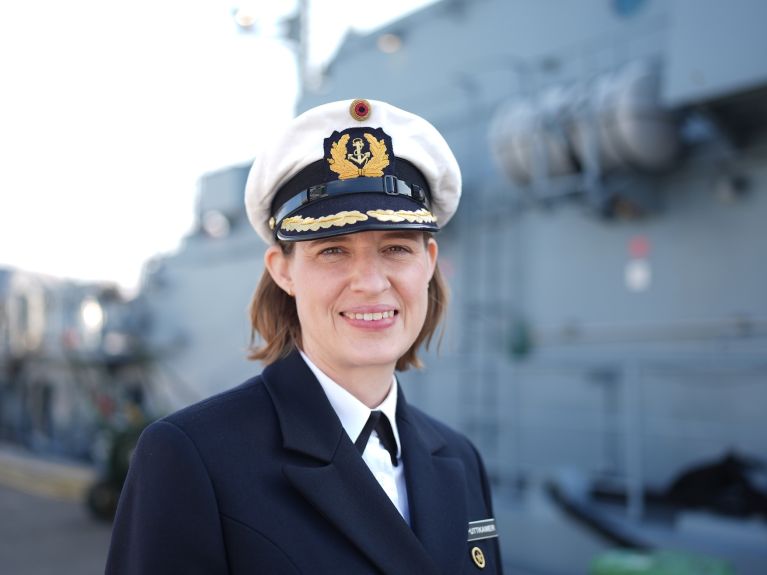
 Sea mines are among the greatest risks to international shipping. Bringing this largely invisible threat under control is the task facing von Puttkamer. The naval officer commands Germany’s mine countermeasures squadron – placing her at the centre of an operation of global significance: securing the Strait of Hormuz.
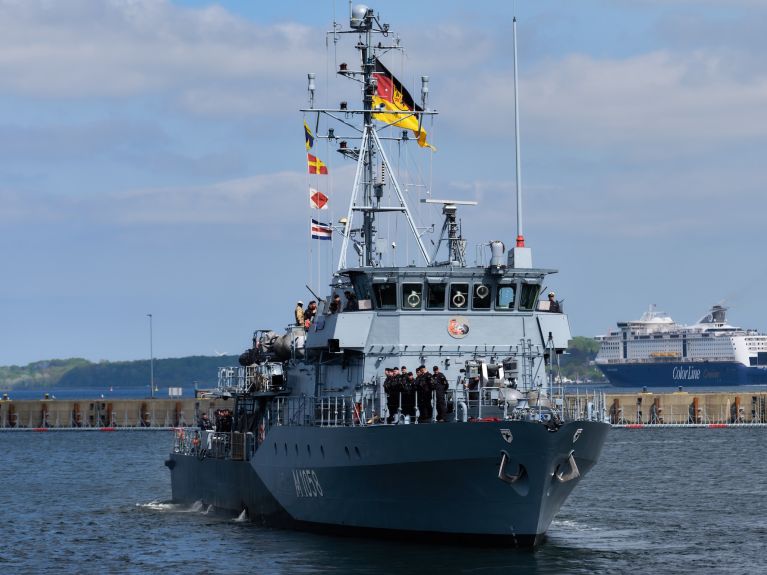
One of the vessels under her command, the “Fulda”, is now being deployed to the Mediterranean as part of a NATO mine countermeasures group – initially for forward positioning. There, the Navy will keep its capabilities at readiness, with a view to a possible mission between the Persian Gulf and the Gulf of Oman. The deployment will “save valuable time in bringing the ‘Fulda’s’ highly regarded mine countermeasures capabilities into operation within the alliance,” a Defence Ministry spokesperson said.
The invisible threat at sea
The Strait of Hormuz is one of the world’s most important trade routes – around a fifth of global oil transport passes through it. However, since the outbreak of the war involving Iran, passage through the strait has been severely restricted. This is due in part to reports and threats that Iran has laid, or may lay, sea mines in the area. For international shipping, this poses a serious danger – even the suspicion of mines is enough to bring a route virtually to a standstill.
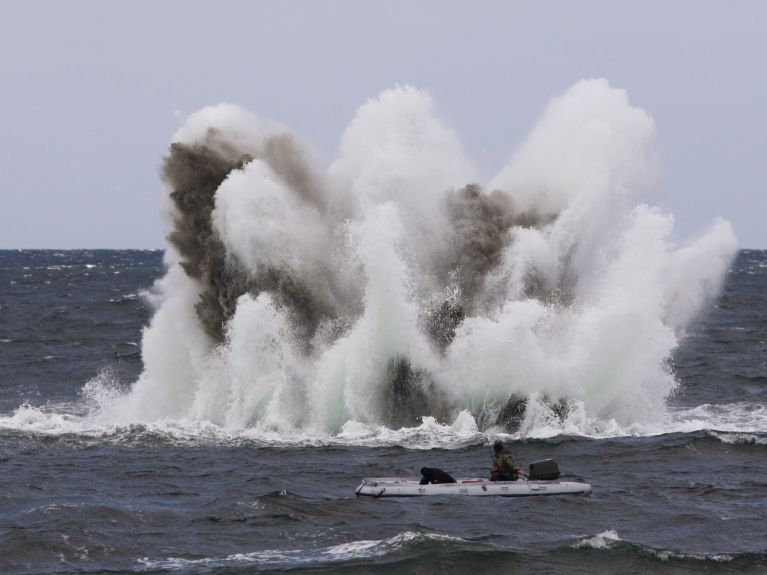
Sea mines are among the most effective – and most unpredictable – weapons at sea. They respond to magnetic fields, sound or pressure changes in the water and can severely damage or sink even large vessels. At the same time, they are difficult to detect and often poorly documented, making them dangerous long after they have been laid. Locating and clearing mines is a technically demanding task.
Silent operations in mined waters
This is where von Puttkamer comes in. In Kiel, the 43-year-old frigate captain has already prepared potential deployment scenarios with her team – from adapting equipment to extreme temperatures to planning supply routes in the region. “We have soldiers who are always at a high level of readiness. But of course, you also have to consider that preparing for a specific maritime area is different from preparing for the North Sea and the Baltic,” von Puttkamer told dpa in April.
German minehunters are specifically designed to avoid detection by sea mines. Their hulls are made of non-magnetic steel, and additional systems reduce their electromagnetic signature. They are also difficult to detect acoustically due to their slow and quiet operation. While the vessels and sensors are designed for domestic waters, “that does not mean they cannot be deployed elsewhere,” von Puttkamer said.
Awaiting Bundestag approval and an end to hostilities
The commander has known the Navy since childhood – her father was a captain. Today, she is one of the few women in such a senior leadership role in the Bundeswehr. She coordinates a specialised team and works closely with international partners, as mine countermeasures are a collective effort: the relatively lightly armed vessels depend on protection from other units.
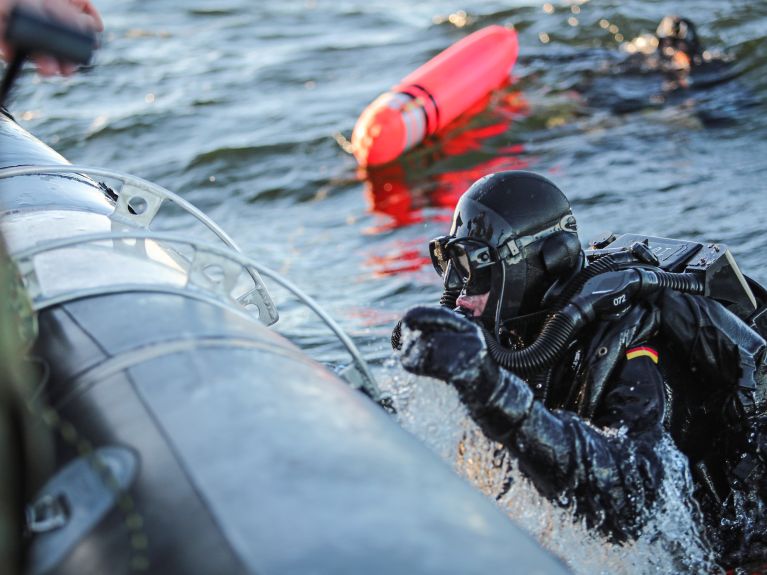
Whether a deployment to the Strait of Hormuz will actually take place depends on political decisions and further developments in the conflict. With its deployment to the Mediterranean, the “Fulda” is now available at short notice should hostilities cease and the German Bundestag grant a mandate to secure freedom of navigation in the Strait of Hormuz.


