Using AI to fight diseases
AI can identify tumours in X-ray images, simulate the effect of drugs on digital organs and conduct initial psychological evaluations.
 Klaus Lüber
 How is AI already helping with diagnosis?
The greatest strength of AI lies in its ability to detect patterns in images: in X-rays, CT and MRI images, and in pathology, skin cancer screenings and ophthalmology. In many cases, algorithms can identify suspicious structures just as reliably as experienced specialist doctors. In Germany, a consortium led by the Charité hospital in Berlin is setting up a nationwide platform to give hospitals access to approved AI applications. “We have the opportunity to completely redesign processes in hospitals, preventive medicine, early disease monitoring, increasingly location-independent healthcare and truly personalised medicine,” says Ariel Dora Stern, professor of digital health, economics and policy at the Hasso Plattner Institute (HPI) in Potsdam.

No data, no AI. But who is allowed to use it?
In 2024, Germany set a law in motion that aims to improve access to data from cancer registries, health insurance provider accounts and genome analyses. At the European level, it will complement the European Health Data Space Regulation that has been in force since March 2025. For researchers, this means quicker access to larger and more representative data sets and less uncertainty when it comes to using data.
What role can chatbots and health apps play?
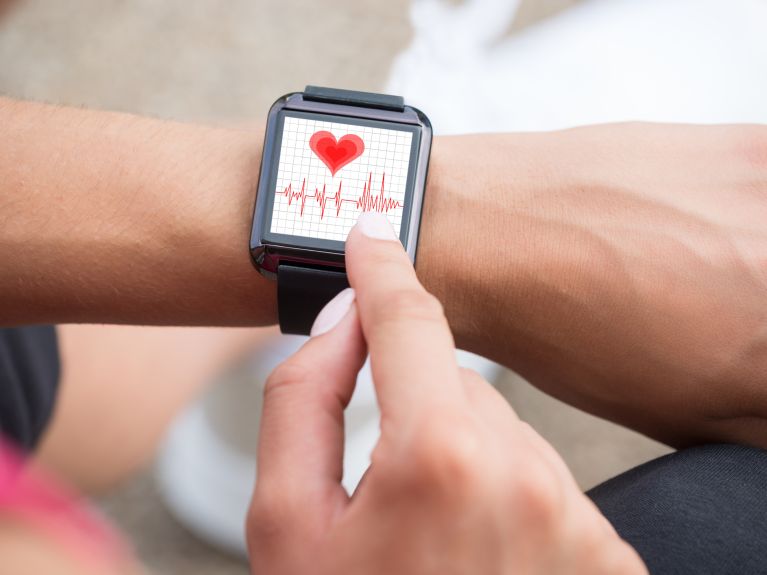
Specialist medical chatbots and apps are already good at interpreting symptoms, reminding users to take medication and conducting initial psychological evaluations. Such apps are even available on prescription in Germany - and are paid for by the health insurance provider. AI can then tailor exercises, content or warnings to the individual user. Especially in the case of chronic conditions such as diabetes, tinnitus or depression, applications of this kind relieve the burden on doctors and give patients greater control over their everyday lives.
Can AI simulate the effect of medication?
This might indeed be possible in the future. Researchers at the Fraunhofer-Gesellschaft are working on developing digital patient twins that can be used to test the effects of drugs virtually before they are used on the actual patient. Even today, it is already possible to perform simulations of this kind on individual organs such as the heart.


