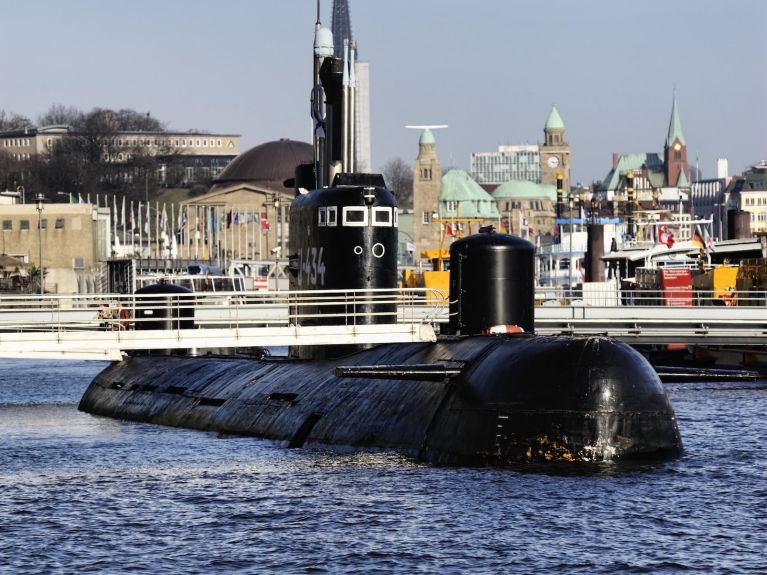
A deep dive into history
An old Soviet submarine in the Port of Hamburg serves as a monument for peace. It is shrouded in mystery, but could be made operational again any minute.
 Johannes Göbel
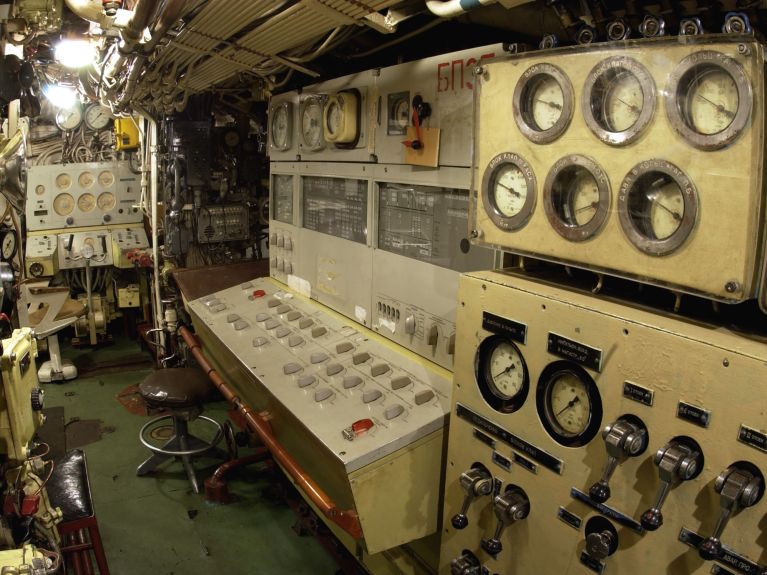
 Very few places in the Port of Hamburg are so shrouded in mystery as the U-434 - despite this former Soviet submarine being no longer in active operation but merely a tourist attraction. One can hardly begin to imagine how it must have felt for the submarine’s military crew to work in such a confined space during the Cold War. “Our visitors are fascinated to have the chance to step inside a submarine that used to dive to depths of 600 metres,” says museum director Harald Büttner.
25 years in the service of the Soviet army
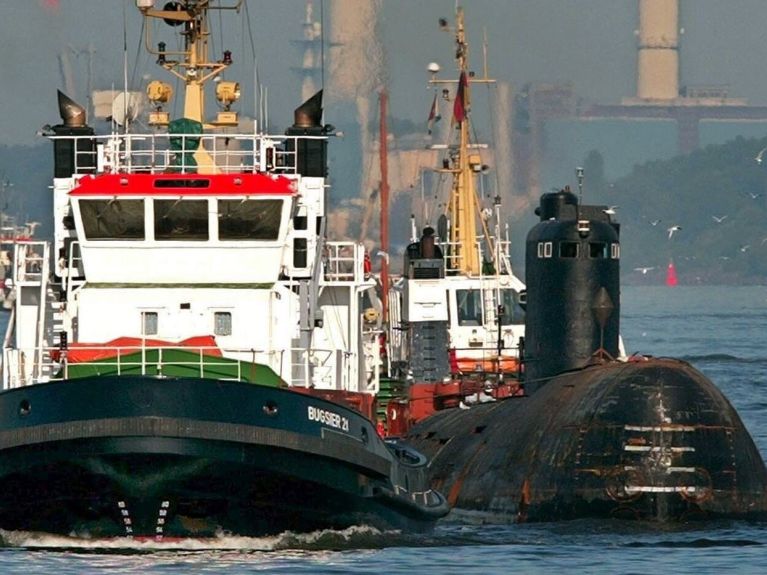
But how did the submarine end up in Hamburg? The U-434 first set sail in 1976 and spent 25 years in the service of the Soviet army, undertaking for example espionage missions off the US East Coast. Following the collapse of the Soviet Union, the Russian army initially took over the submarine before it was decommissioned in 2002. An acquaintance of Harald Büttner, Dresden businessman Christian Angermann, had the idea of turning the U-434 into a museum – and was finally able to persuade the Russians to agree following some difficult negotiations. The Russian intelligence service checked the submarine carefully and removed its weapons systems before handing it over.
Still fully operational
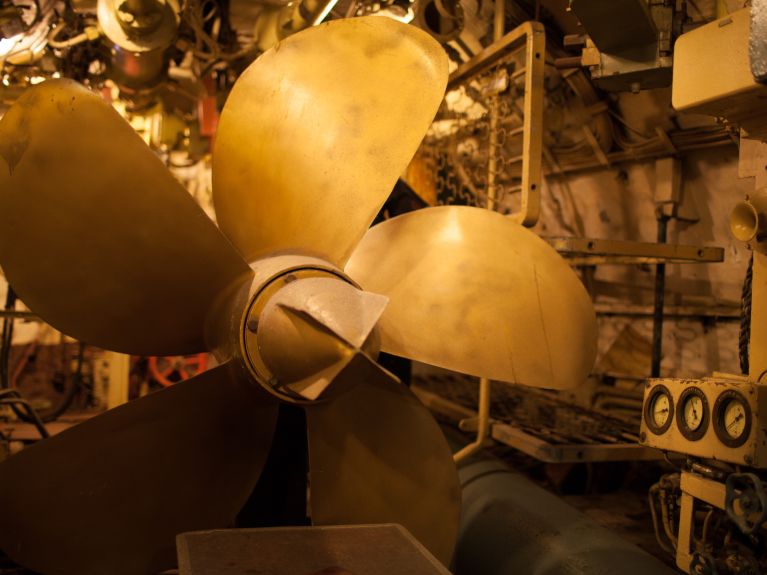
However, its machines and equipment were left in place, meaning that the U-434 is still fully operational. Docked in Hamburg’s St. Pauli district, it attracts large numbers of international visitors every year. They are amazed to learn that the submarine, which is around 90 metres long and nearly nine metres wide, once accommodated up to 84 crew members. The berthing compartments can be visited, as can the command centre and the room where the torpedoes were fired. The exhibits and guided tours hark back to the Cold War, an era characterised by an oppressive sense of latent threat - many people see the war of aggression that Russia is currently waging against Ukraine as alarmingly similar. Harald Büttner emphasises: “However fascinating it may be, we regard the museum first and foremost as a reminder of the dangers of war.”