“The probability of another pandemic is 100 per cent”
When a dangerous virus emerges, every hour counts. Germany searches for pathogens at Hamburg’s tropical medicine institute and using mobile laboratories in East Africa.
 Ina Brzoska
 Professor May, when there is suspicion of a highly dangerous virus somewhere in the world, Germany often plays a central role in the analysis. Why is that?
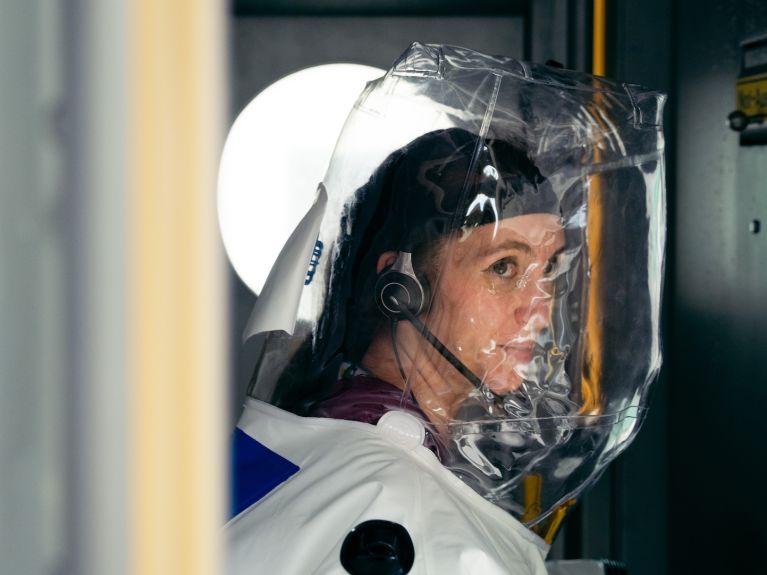
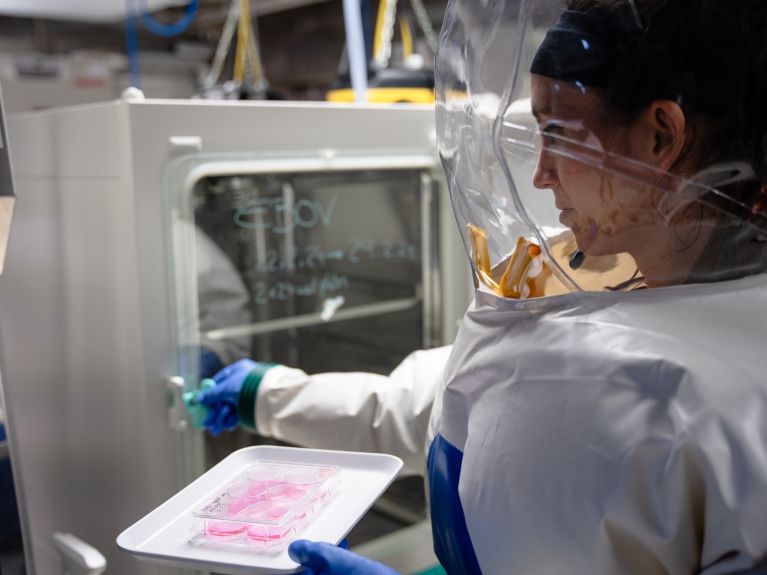
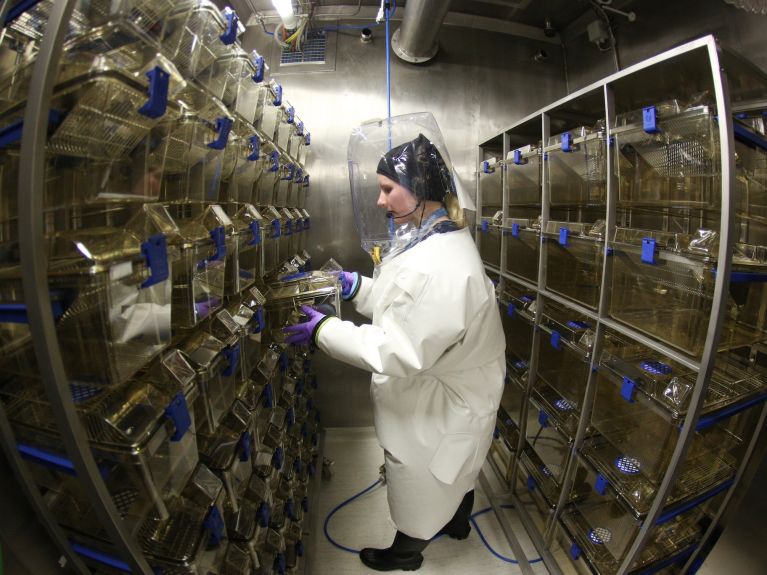
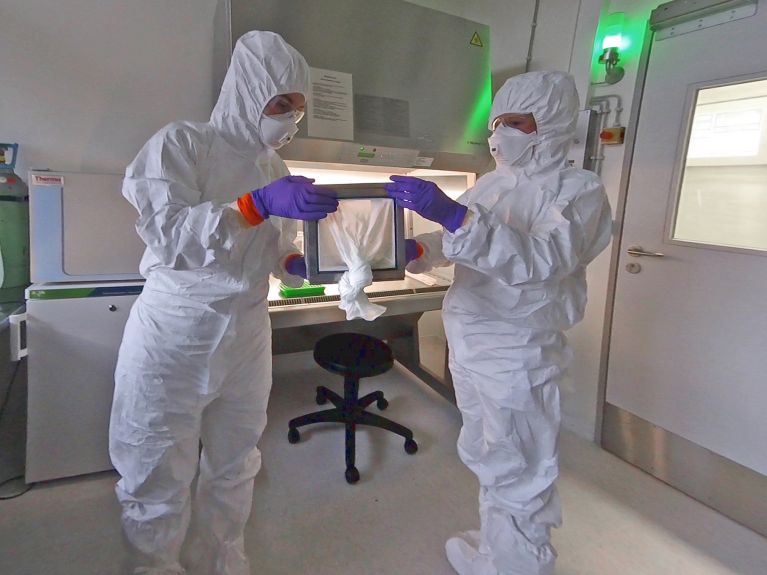
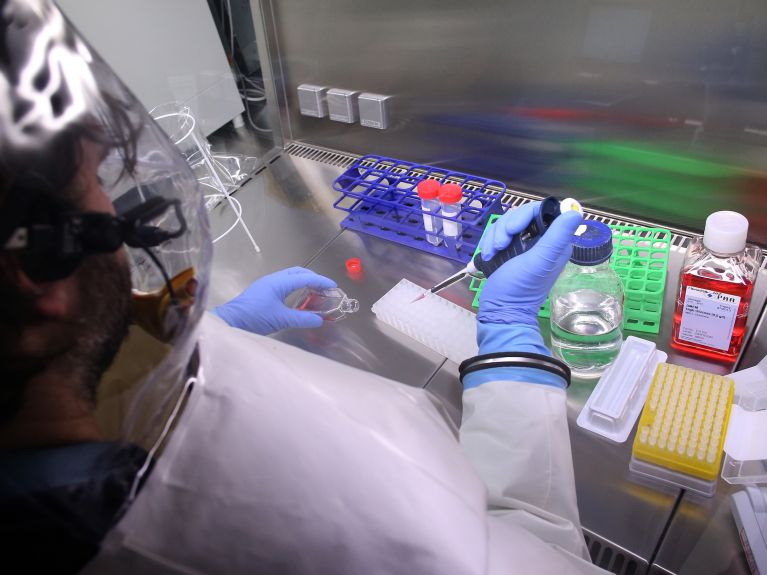
The Bernhard Nocht Institute for Tropical Medicine (BNITM) in Hamburg is one of only a few specialist laboratories worldwide authorised by the World Health Organization to investigate such pathogens. In our biosafety level 4 laboratory – the highest biological protection level there is – we can usually determine within 24 to 48 hours what we are dealing with.
How quickly can this happen in a real emergency?
Recently we dealt with a suspected case of Ebola. A person from Germany had been working in a hospital in Rwanda and feared they had become infected there. On the way to our institute, even the train they were travelling on was stopped and evacuated. The sample was analysed at our laboratory that very night and fortunately we were quickly able to give the all-clear.
For years, you’ve been closely involved in East Africa in particular. Why is this region so important for the early detection of pandemics?
We often see the first outbreaks in equatorial regions of Africa, meaning West and East Africa. Such infections initially often remain localised there. The key is to detect them at this early stage before they spread across national borders.
Why do such pathogens repeatedly emerge n this region in particular?
There are several reasons. The climate provides very favourable conditions for mosquitoes, for example, and these can transmit many viruses. In addition, healthcare systems are often not comprehensively developed and there are fewer options for containing outbreaks immediately. As a result, infections can spread more quickly.
What exactly do you do in East Africa?
For around ten years, we’ve been helping to establish mobile laboratories that can detect dangerous pathogens directly on site. Many regions lack the infrastructure for this kind of specialist diagnostics. That’s why we work with local experts using mobile laboratories housed in converted transport crates, lorries or containers that can travel directly to wherever a suspected case appears. At the same time, we have trained specialists at authorities and laboratories who are able to pass this knowledge on. During the COVID-19 pandemic, these mobile units carried out more than one million PCR tests.
Is Germany now better prepared to respond to new global health risks following the COVID-19 pandemic?
Yes, definitely. Awareness among both the public and policymakers regarding the importation of dangerous diseases has grown significantly. It was not until the COVID-19 pandemic that many people realised how important international preparedness and rapid diagnostics really are. Our institute has grown considerably in recent years, too.
So the next pandemic is only a matter of time?
That’s something we have to assume. The probability of a new pandemic is 100 per cent. Time and again, pathogens jump from animals to humans – we call this spillover. Not every one of these cases automatically leads to a pandemic. But the key question is whether or not we are able to detect such an outbreak early enough.


