Where are Germans happiest?
Nature, culture, social cohesion: why Hamburg and Kassel are regarded as particularly liveable cities.
 Christian Lütgens
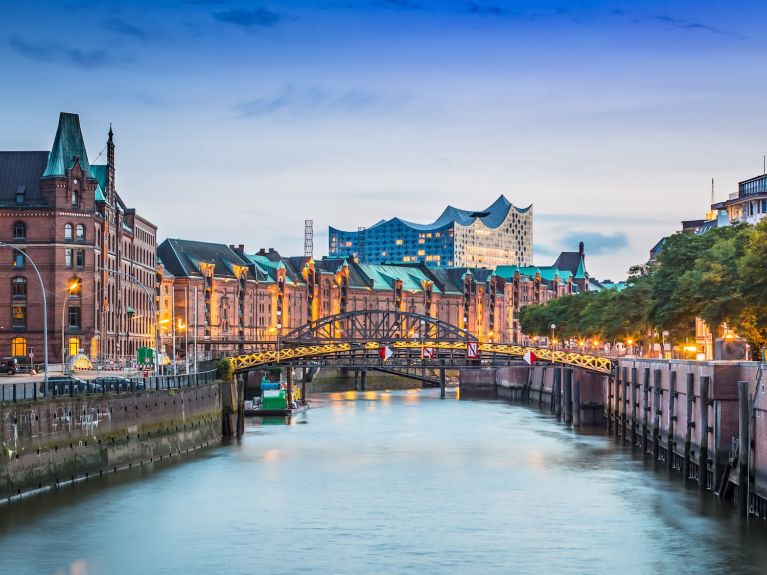
 Hamburg: water and culture
If you like water, you’ll quickly realise why people in Hamburg are particularly happy. This city-state in the north of Germany, which is one of the country’s 16 federal states, abounds in water, boasting the Alster, Elbe and Bille rivers. What is more, the North Sea and Baltic Sea coasts are just a stone’s throw away. Hamburg has more bridges than Venice, Stockholm and Amsterdam put together. This maritime flair isn’t the only reason why its nearly 1.9 million inhabitants have rated Hamburg the happiest federal state of them all, however. Since 2011, the University of Freiburg has been conducting annual representative surveys for the SKL Happiness Atlas, using many different criteria to ascertain how satisfied Germans are with their lives. One of the things that improves the quality of life for the happy citizens of Hamburg is the wide range of culture on offer – for example the Elbphilharmonie concert hall in the port district, the historic warehouse district, the city’s theatres and musical stages or the infamous nightlife on the Reeperbahn. Hamburg’s top happiness rating is also due to its thriving economy and the many green spaces in the city.
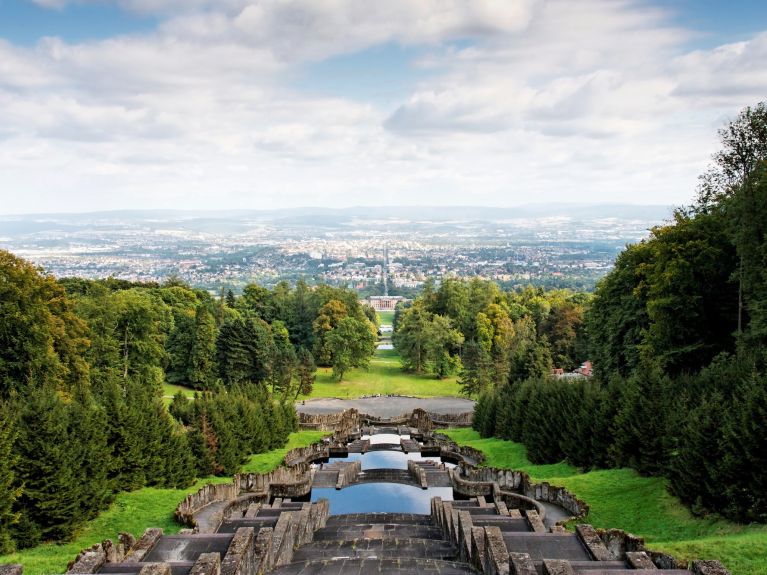
Kassel: young people and low rents
Kassel takes first place among Germany’s towns and cities: the people living in the north of the state of Hesse are the happiest. There are various reasons for this: lots of young people live there, there’s good access to education, culture and health, and comparatively low rents. The university town of Kassel is considered something of an “overperformer” in terms of its happiness rating, given that objective quality of life factors such as average incomes don’t exactly argue in favour of the city. That said, subjective perceptions can also carry a lot of weight. What is the explanation for this? One theory is that the town, with only around 200,000 inhabitants, is characterised by closer social ties and less anonymity than larger cities. In other words, the people of Kassel make the most of their home town.


