Under German roofs
From tiny houses to large-panel buildings: a photographic journey through different types of housing and social realities in Germany.
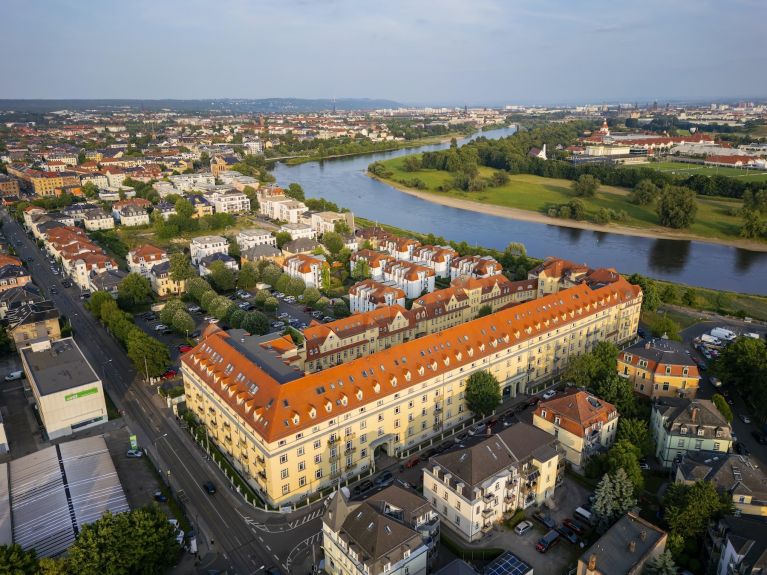
Door to door under one roof: units in apartment buildings make up more than half of the around 44 million homes in Germany, and 53 percent of people are living in rental accommodation. Residential buildings with usually three to five storeys are characteristic of many neighbourhoods and residential streets in German cities.
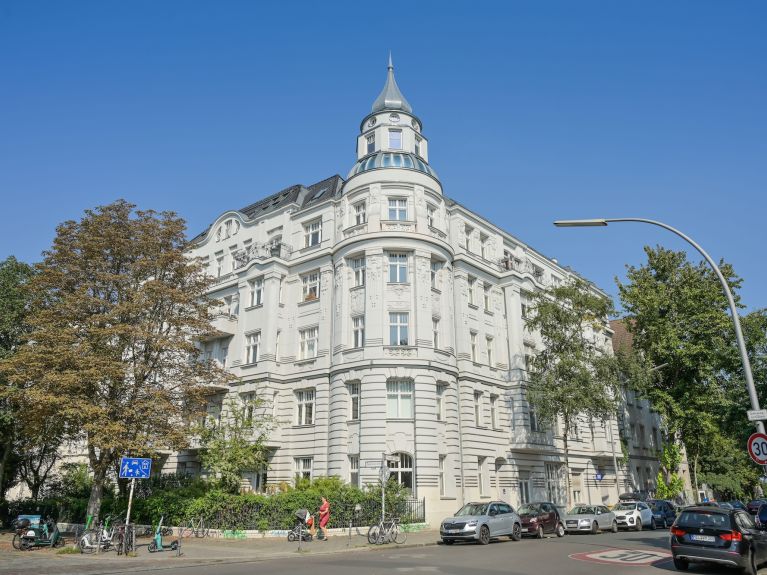
High ceilings, stuccowork, double doors and large windows: historic charm meets urban lifestyle in attractive Gründerzeit style buildings from the late 19th and early 20th century.
During the summer months, many Germans like to use their balconies and patios as an outdoor living room.
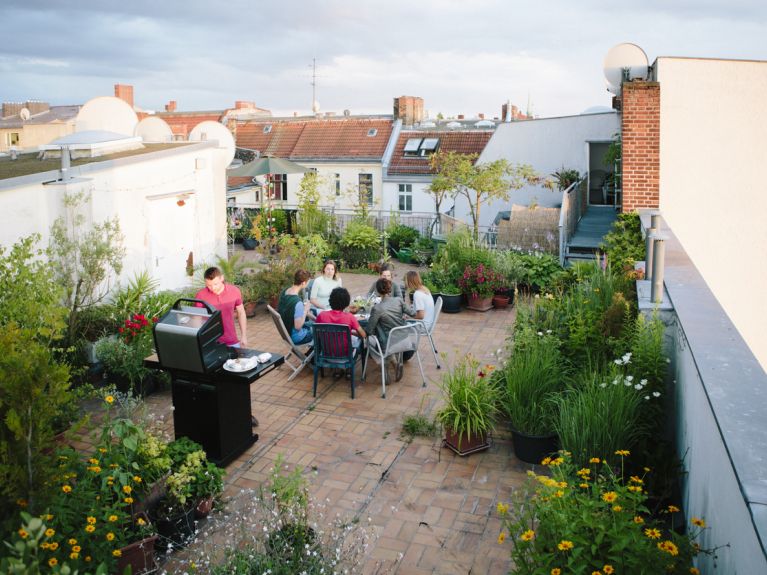
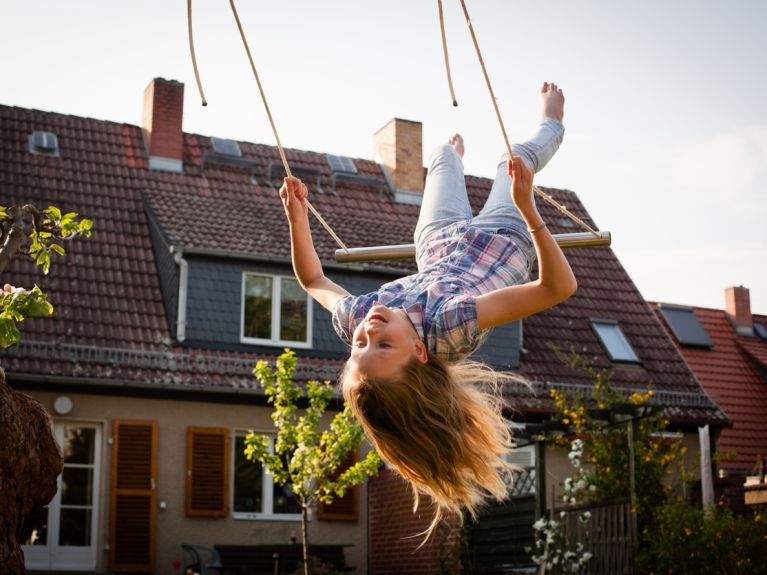
Others are dreaming of their own house with a garden. Single-family houses are particularly common in suburban and rural areas.
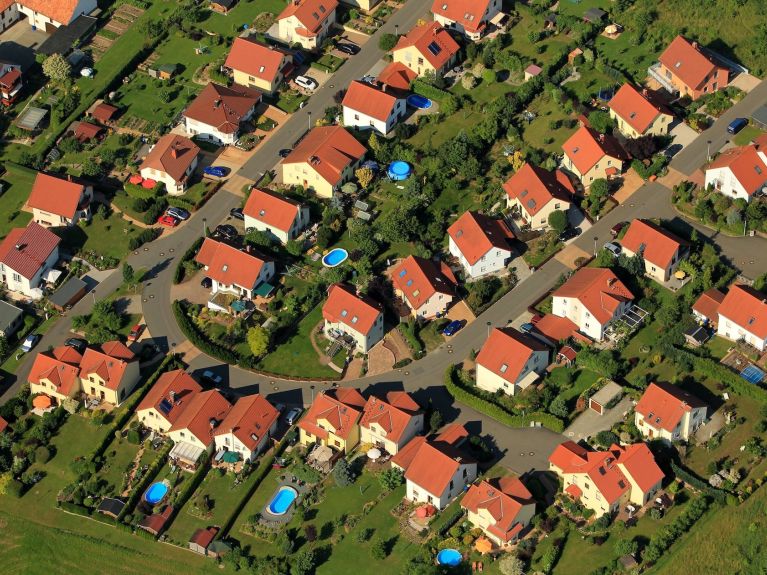
About 24 million Germans are living in detached houses, another six million in semi-detached houses and five million in terraced houses. On average, these houses are over 130 square metres big, and therefore much larger than the average German home that has 94 square metres. The catch is that houses tend to require a lot more space and energy.
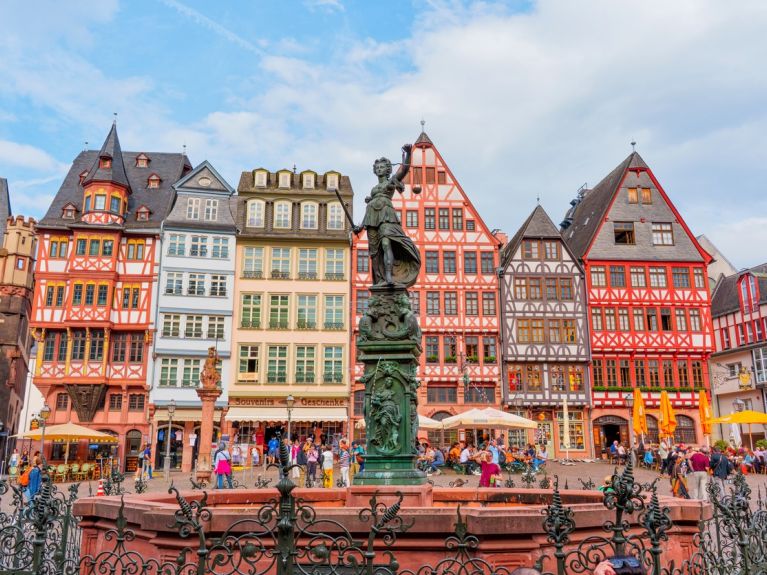
Half-timbered houses are among the most iconic types of German buildings. Their exposed timber frames bear witness to centuries of regional construction history. They are most common in historic town centres and villages, and considered part of the cultural heritage.
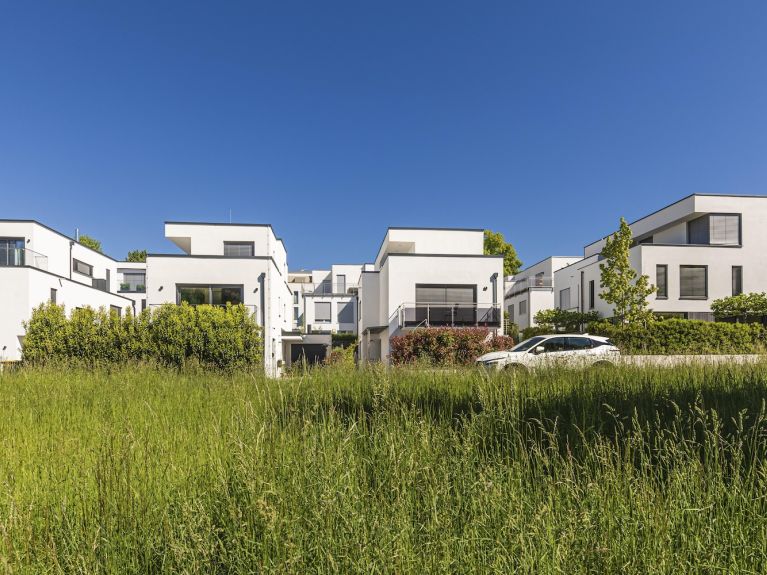
High-rise buildings are a way of dealing with the lack of space for housing in many cities. These multi-storey buildings can efficiently house a large number of people where land is scarce, but they tend to have a rather anonymous atmosphere.
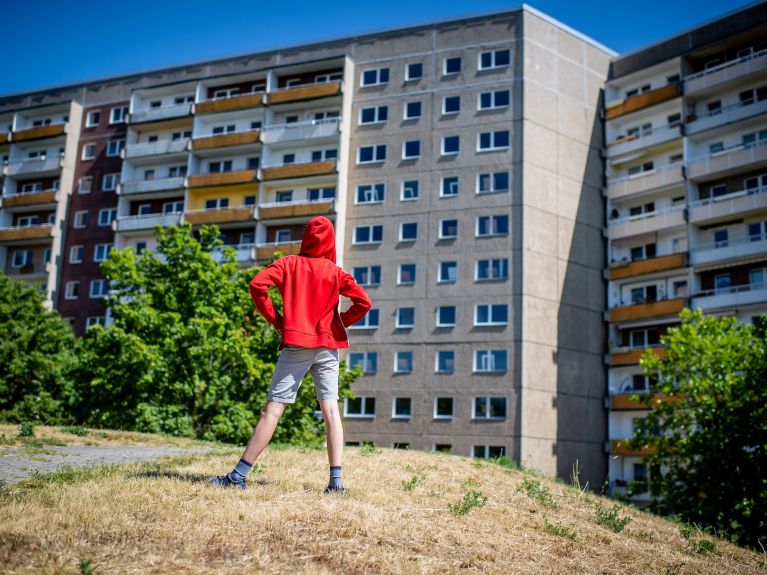
Prefabricated large-panel buildings known as Plattenbau can be found in Eastern Germany in particular. At least ten apartments with an average size of 65 square metres can be found in each of these buildings.
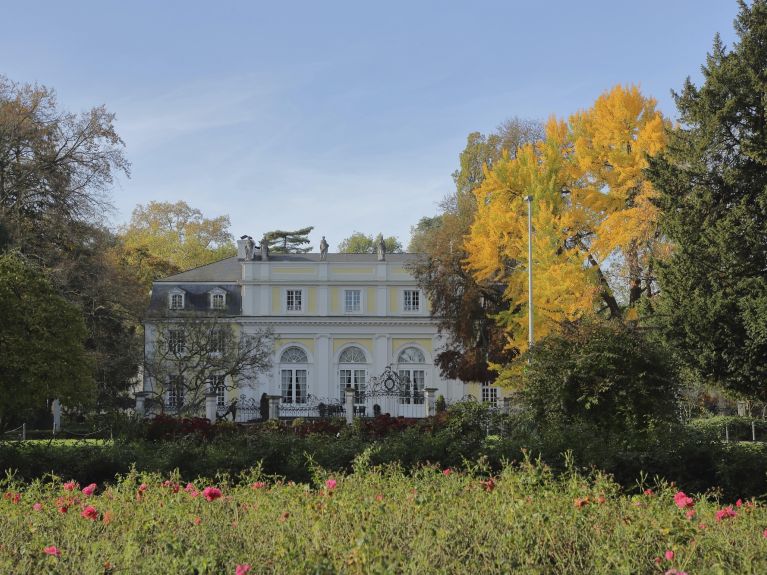
Mansions are typical of the most exclusive neighbourhoods. They are characterised by their imposing architecture and generous layouts, and are associated with a high social status. Statistically speaking, these are an exception rather than the rule in Germany.
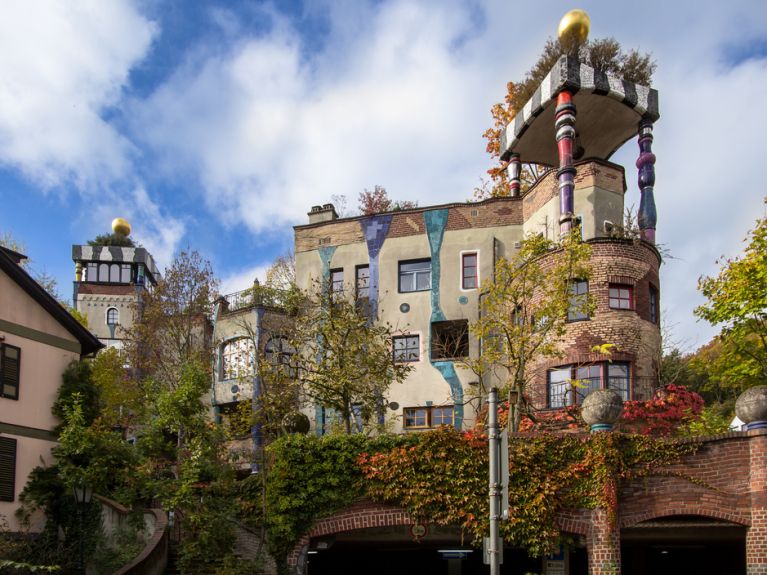
Some architects like to give their imagination full rein. The Hundertwasser building in Darmstadt shows that housing in Germany does not necessarily have to be dominated by right angles.
Life on water is among the more extravagant forms of living. However, there are very few Germans who actually live on houseboats such as those on the Rummelsburger Lake in Berlin.

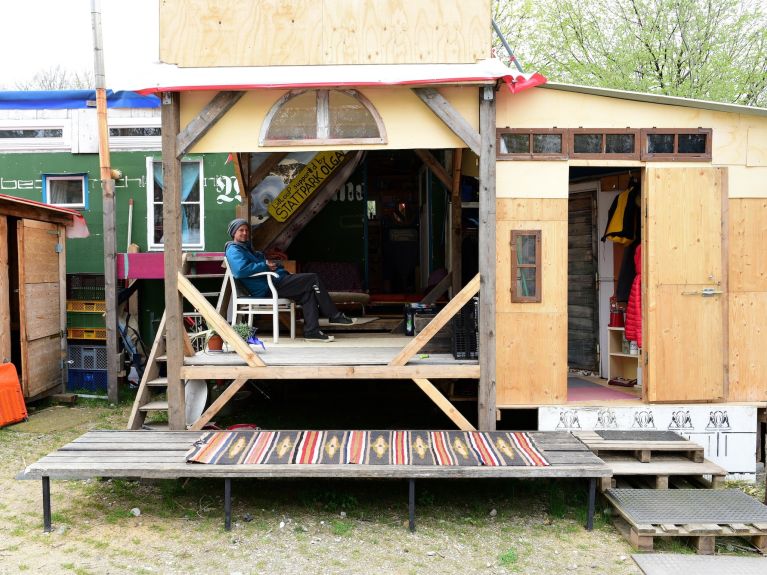
While tiny houses have been attracting a lot of attention as an alternative to standard types of housing, they are in fact quite rare.
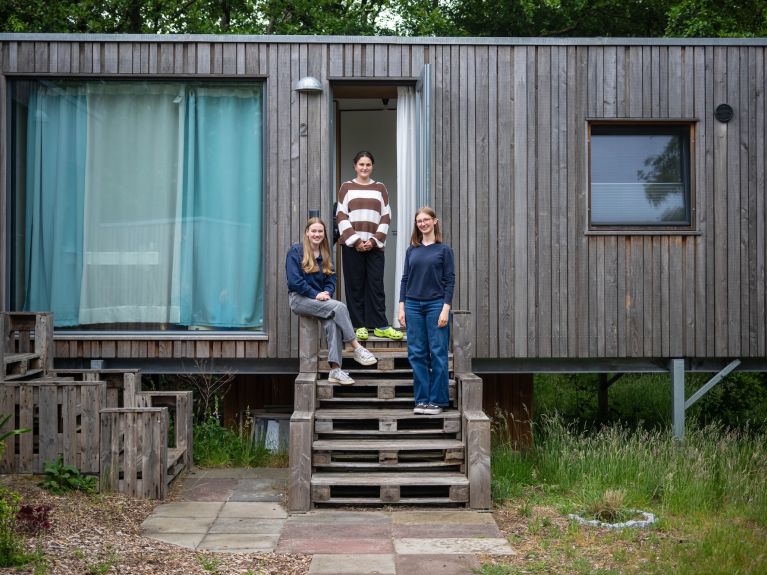
The same is true of people living in construction trailer villages. These are a marginal phenomenon in Germany that is technically illegal but tolerated in some municipalities.