How zoos serve biodiversity
Widespread criticism of zoos neglects how their role has been changing. Zoo director Theo Pagel points out that they help save endangered species.
 Luca Rehse-Knauf
 Professor Pagel, what role do modern zoos play in protecting endangered species today?
Scientifically managed zoos are now an important part of international conservation efforts. While species conservation was of little importance when Cologne Zoo was founded in 1860, conservation, research and education are now among our core responsibilities.
What tangible successes have been achieved through captive breeding and reintroduction programmes?
There are numerous examples. Przewalski’s horses and golden lion tamarins have been successfully reintroduced into the wild, also with animals from Cologne Zoo. One case that is particularly close to my heart is the California condor. By the late 1980s, every remaining bird had been captured and bred at San Diego Zoo. When I visited the Grand Canyon 25 years later, I was able to see condors flying freely there once again. Which just goes to show that although such programmes are extremely demanding, they can succeed.
What role do German zoos play in international conservation efforts?
Scientifically managed zoos in Germany are closely involved in international conservation programmes. They coordinate captive breeding programmes, contribute their scientific expertise and work with other zoos, research institutions and conservation organisations around the world. In doing so, they also help preserve endangered species and their genetic diversity over the long term.
But conservation isn’t all that zoos are about …
No, for example we also keep pygmy goats and various species of waterfowl, none of which are endangered. We provide a place where people can connect with animals. That is particularly important in urban areas. We want our animals to inspire people to help protect biodiversity and nature. For many species, survival will only be possible if conservation organisations, governments, research institutions and zoos work together.
Zoos have faced criticism for many years. How do you respond to your critics?
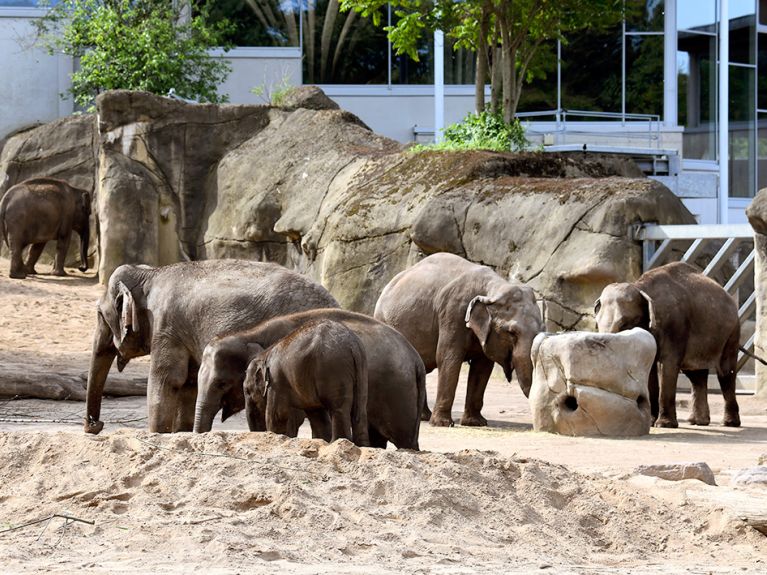
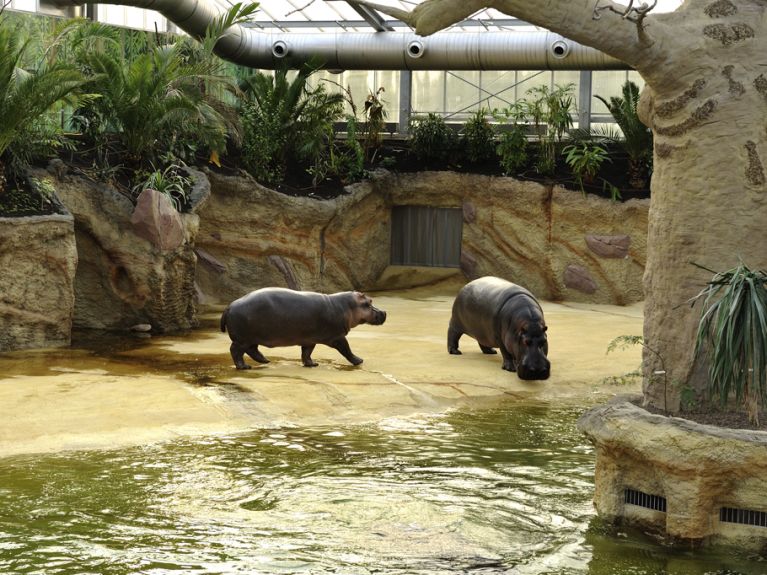
We take justified criticism seriously, and zoos are constantly evolving. For example, we no longer keep elephants in Cologne Zoo’s old elephant house because it would no longer meet today’s standards. Instead, they live in a modern enclosure in a matriarchal herd, just as they do in the wild. Things become more difficult when criticism is ideological and rejects the keeping of animals altogether.
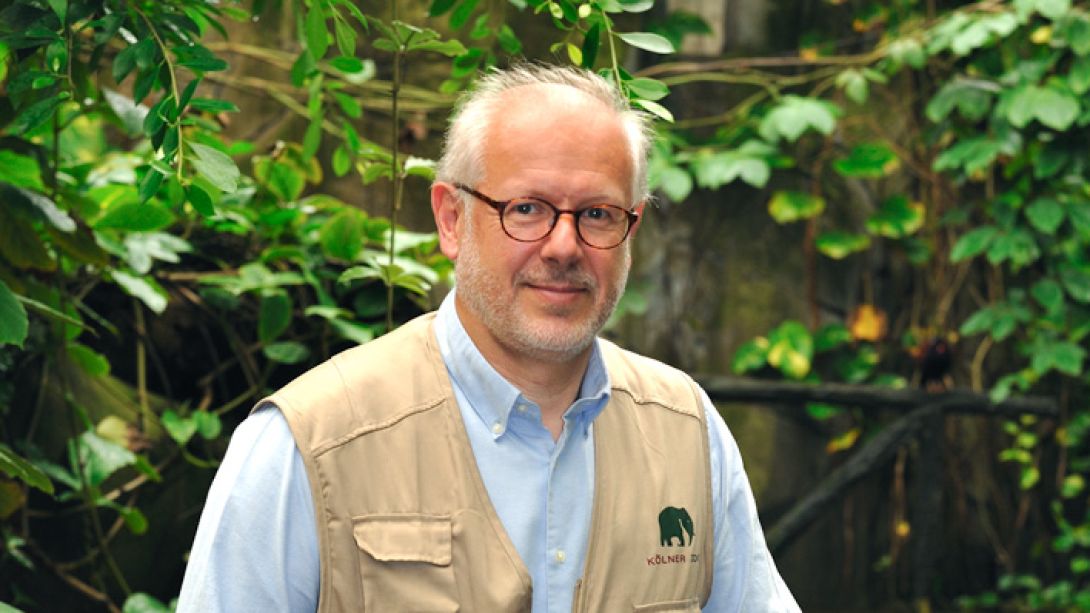
Zoologist Theo Pagel is Director of Cologne Zoo and a former President of the World Association of Zoos and Aquariums. His work focuses on international conservation and captive breeding programmes.