“Weakening international law benefits no one”
Three Munich Young Leaders discuss multilateralism, economic power and international law – and what role Germany should now assume.
 Clara Krug
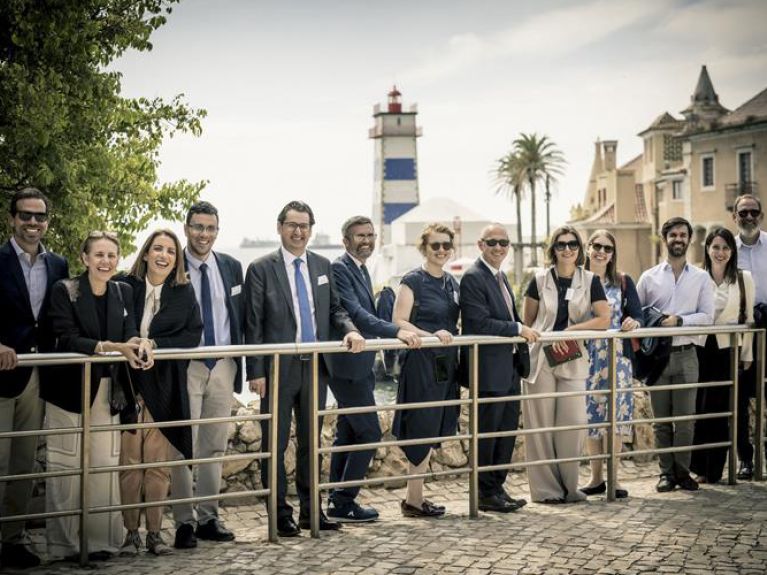
 They are young, well connected and focused on the big questions of war and peace. In addition to high-ranking politicians from around the world, the Munich Security Conference also brings together young professionals from the fields of foreign and security policy. Every year, 25 representatives of ministries, parliaments, the media and businesses are invited as ‘Munich Young Leaders’ – a joint programme of the Security Conference and the Körber Foundation. Three of them tell us how they assess the current security policy situation.
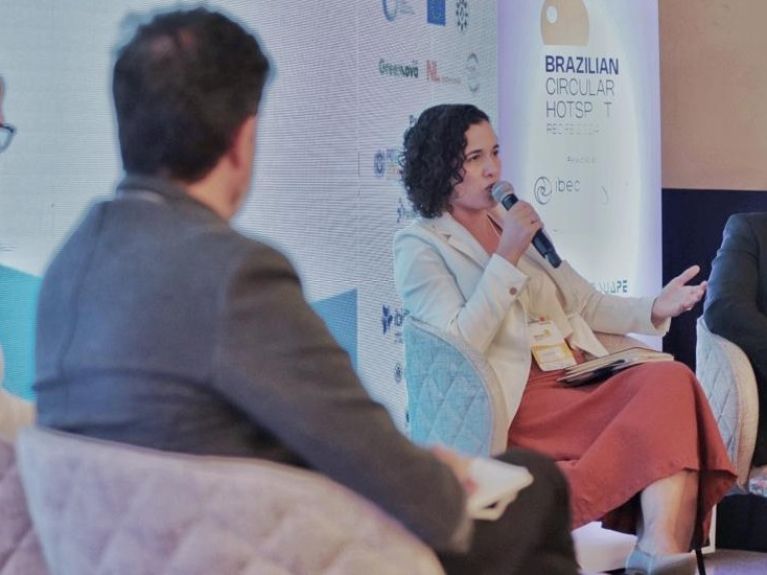
Rayane Oliveira de Aguiar Athias works in the International Relations Department of the Pernambuco State Government in Brazil:
The collapse of global governance and the climate crisis pose the greatest threat to our security. I believe the path forward is a renewed multilateralism that empowers both developing and developed nations to promote bold, collective action to build a future that is greener, fairer and safer for everyone. As the largest economy in Europe and a country committed to global cooperation, Germany can play a pivotal role in championing the green economy and fostering international dialogue and cooperation to overcome current crises.
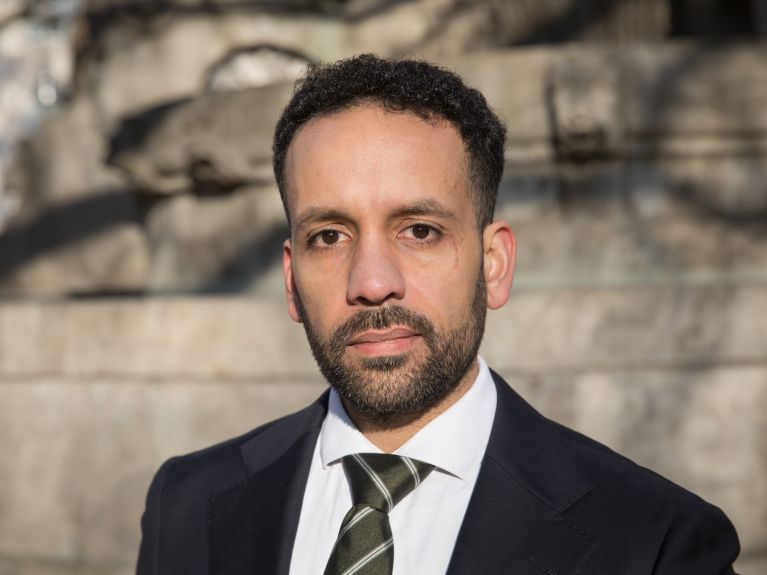
Gideon Adugna, the German Navy’s special advisor for strategy and policy in Berlin and Rostock:
Internationally, we are faced with the question of how cooperation between states should be structured in the future. Should they act cooperatively in accordance with international regulations designed to enforce borders and guarantee freedom for all? Or should they pursue confrontational interest-based politics, along the lines of ‘borders for everyone, freedom for me!’ The international centres of power rely on the logic of economic dominance combined with military strength. For Germany, this means that we must strengthen both areas and view them as ‘tools of diplomacy’ in order to maintain our own scope for action. As it takes the necessary step of expanding its armed forces, Germany can thus consolidate its position as a cooperative leading power in Europe and worldwide.

Khadija Yasmin Bokhari, lawyer and co-founder of an NGO in Pakistan:
The application of the rules-based world order has long been selective, with many in the Global South believing its protections were never fully available to weaker states on the “periphery.” Rather than showing a more robust application of international law, recent trends point to a clear regression, reducing protection even for countries that once felt secure, as seen in tensions over Greenland. This poses a serious challenge to international security, as weakening international law benefits no one. As policies become increasingly inward-looking amid global challenges, Germany can play a pivotal role by offering an inclusive platform for all states, not only Europe, to rebuild trust in international law through honest dialogue.


