Strong brands: goldbears, three stripes and paw print
The trademarks of German companies promise high quality, excellence or coolness. There are many of them, and some will surprise you.
 Wolf Zinn
 Mobility: Germany’s most powerful brand symbols
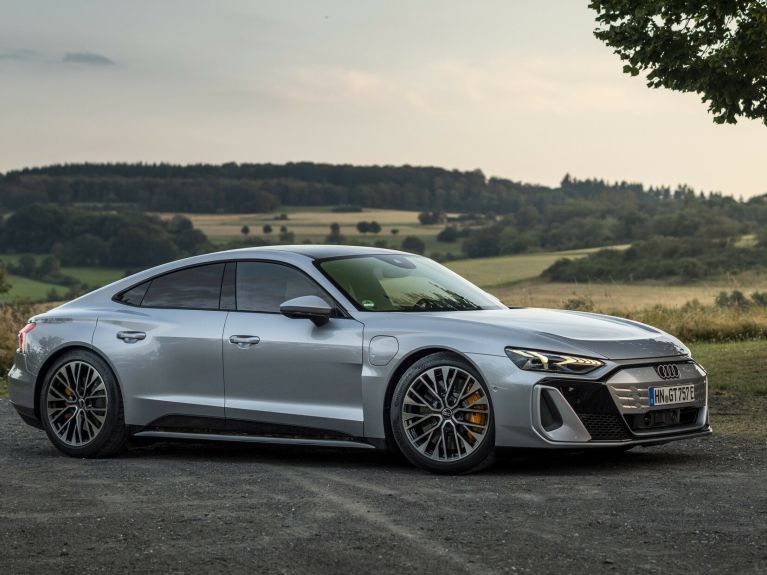
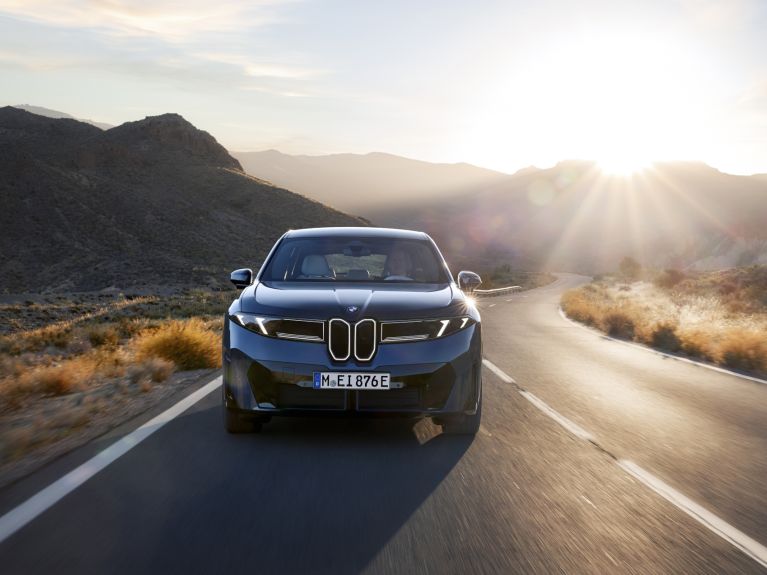
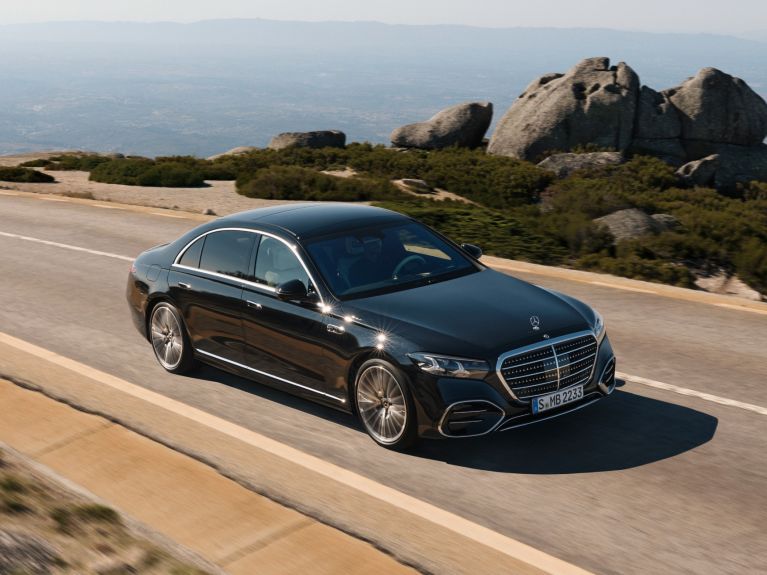
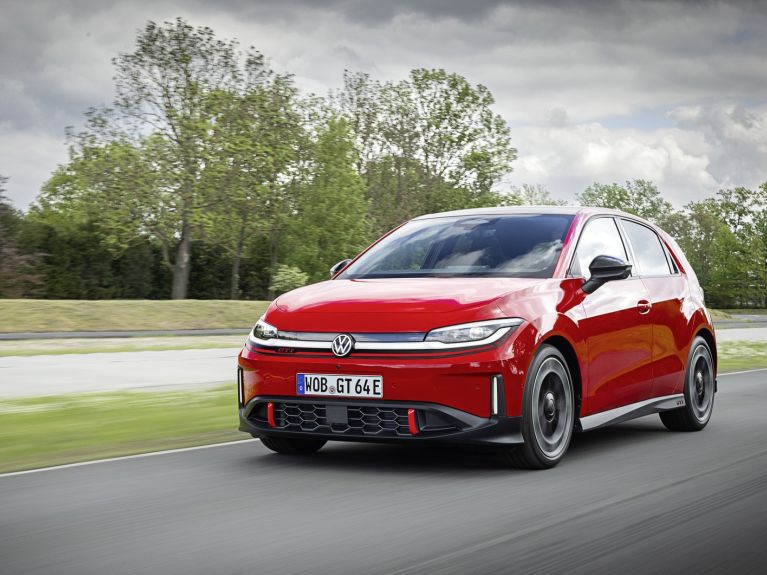
German cars are recognised all over the world, even by young children. The Mercedes-Benz star and the Audi rings promise engineering excellence, innovation and prestige. Volkswagen sees itself as a volume brand that builds good cars for everyone. The BMW logo almost resembles a sports badge, underlining the company’s Bavarian roots with its blue-and-white chequered pattern. Porsche combines performance with iconic design,
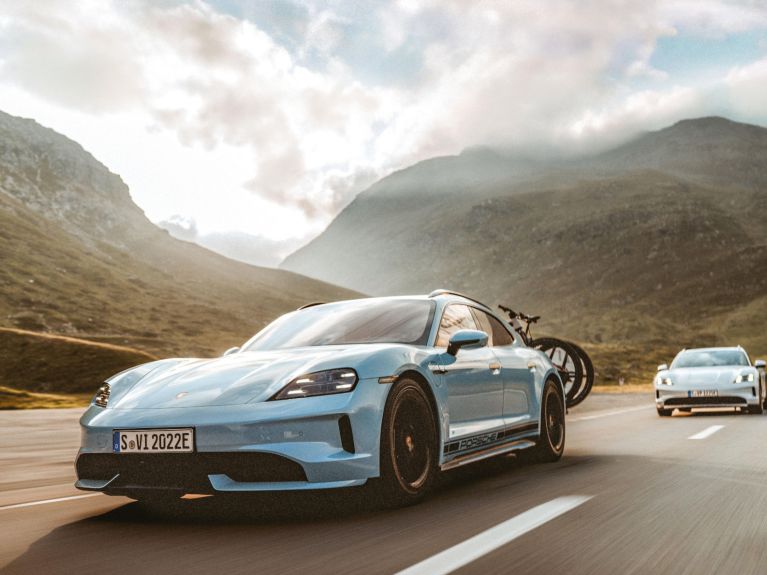
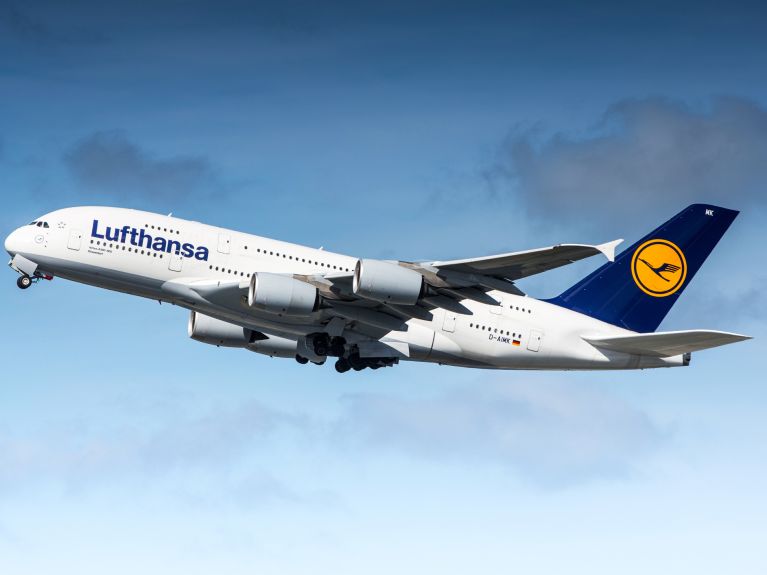
while Continental tyres provide the grip needed to turn dreams on wheels into reality. Those who prefer to take to the skies can fly with the crane-emblazoned aircraft of Lufthansa, which celebrates its centenary this year.
High-tech and industry: when names become seals of quality
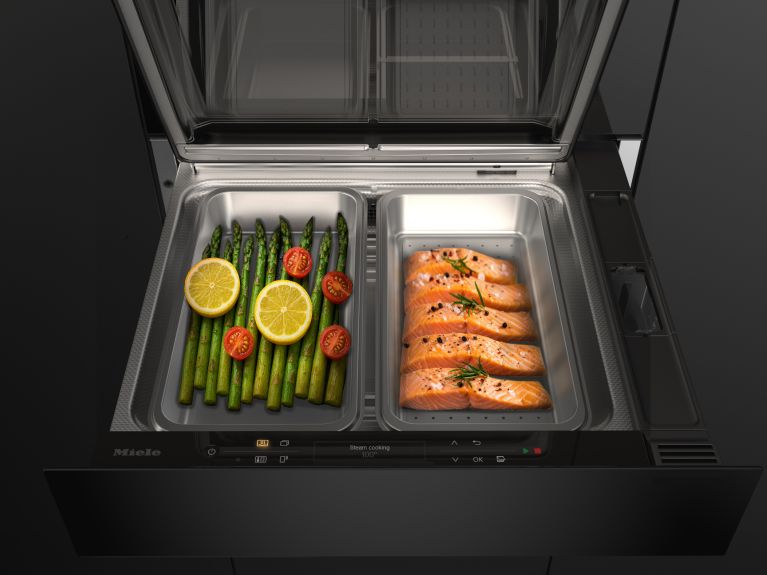
Many German global brands stand less for lifestyle than for quality, precision, reliability and durability. This is true of kitchen and household appliances made by Miele and industrial products made by Siemens and Bosch.
The company Stihl celebrates its centenary this year: it is the global market leader in chainsaws, demonstrating that even practical tools can achieve cult status. The brand has even become a popular tattoo motif among enthusiasts.
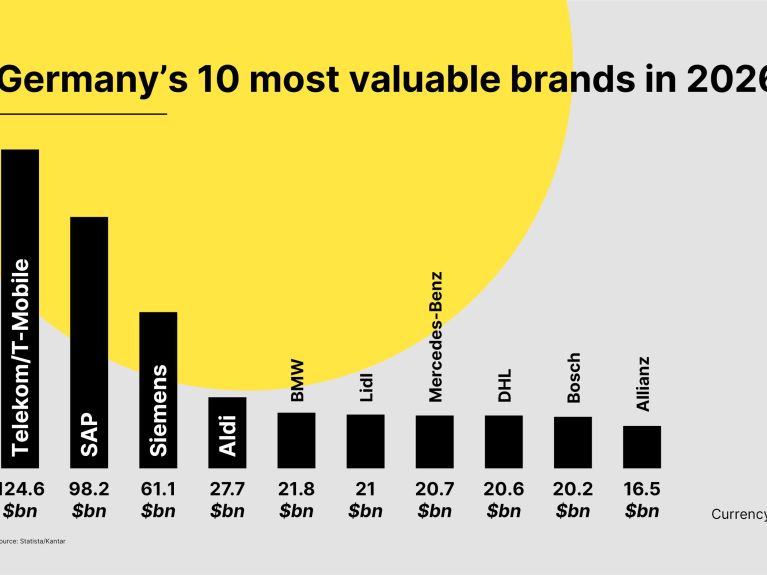
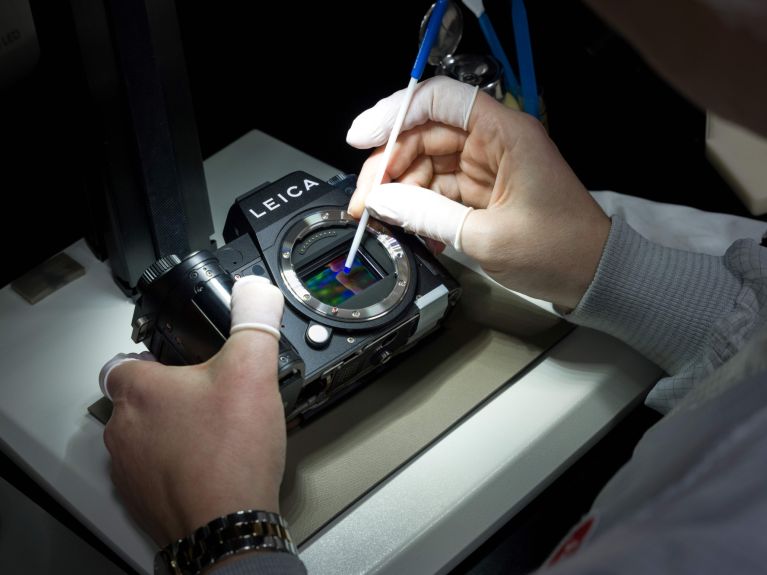
The software company SAP provides the essential logic behind invoices, warehouses and payroll systems. Alongside it are numerous specialist firms that are highly regarded among industry insiders: these include Zeiss (optics), Leica (cameras), Festo (automation) and Infineon (semiconductors). And in the IT and telecommunications sector, Deutsche Telekom/T-Mobile – incidentally Europe’s most valuable brand (see the chart at the end of this article) – has built a strong brand identity around the colour magenta.
Health and pharmacy: the cross, the cannula and the nun with the herbal spirit
The Bayer cross is displayed at pharmacies around the world and has guided anyone with a headache to the sought-after packet of Aspirin ever since 1899. For exactly 200 years, Klosterfrau Melissengeist has held a place in household medicine cabinets as a high-proof herbal spirit which acts as a trusted aid to relaxation, while medical technology by B. Braun, Fresenius and Dräger is among the standard equipment in almost every hospital around the world.
Drinks: from the stag to Capri-Sun
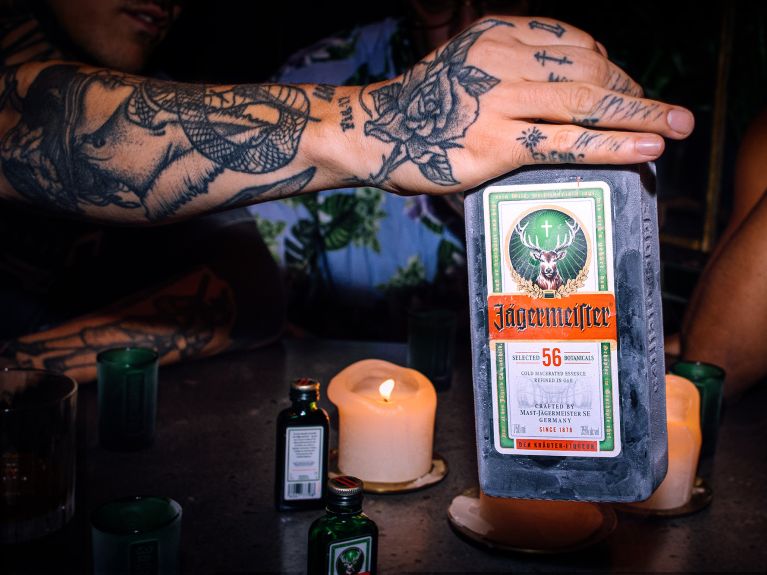
When it comes to drinks, it is not only taste and refreshment that matter, but also the shape and the label. Germany is the beer nation par excellence, and Beck’s with its green bottle and Bremen key emblem is often regarded in other countries as “the German beer”, alongside Warsteiner and Krombacher. Meanwhile Paulaner and Erdinger carry Munich’s beer-brewing traditions out into the world. In the spirits league, Jägermeister’s stag emblem has become a fashionable symbol of nightlife culture.
In the non-alcoholic category, many people are surprised to learn that Fanta was developed in Germany in 1940 as a substitute for Coca-Cola. Capri-Sun – formerly Capri-Sonne – was launched in West Germany in 1969, its pouch going on to become a globally recognised playground icon. And Gerolsteiner markets German spring water around the world as a premium product.
Sticky jelly babies
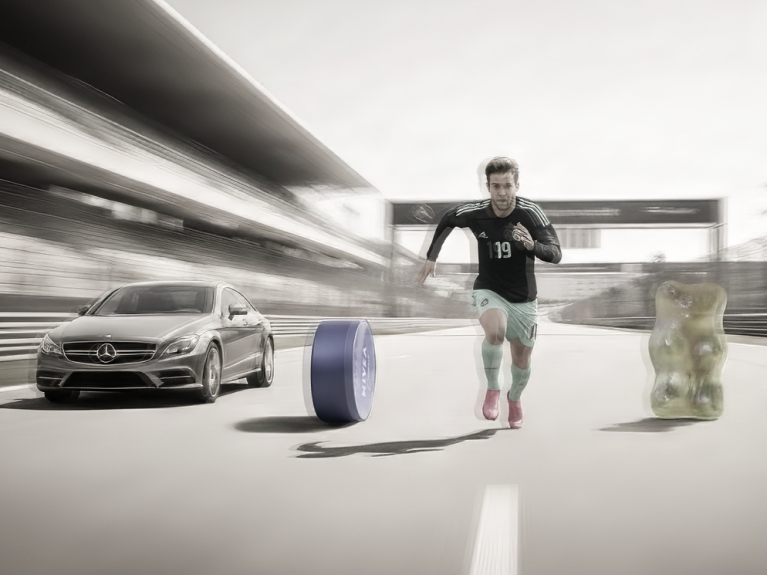
Birkenstock has turned orthopaedics into a lifestyle image: its sandals are a statement of comfort – not necessarily sexy, but undeniably iconic. One of the world’s best-known confectionery manufacturers took a notably practical approach to naming its brand: Haribo was founded in 1920 by Hans Riegel in Bonn. Haribo’s Goldbears are Germany’s sweetest export success story, although the teddy bears made by Steiff are certainly more cuddly.

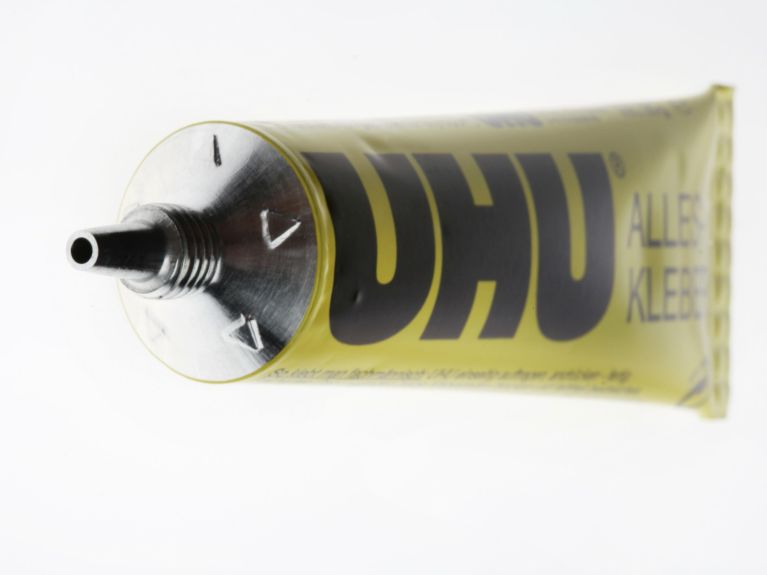
And if the famous button in the ear ever comes loose, there is always UHU all-purpose adhesive – the brand that ensures everything sticks together in day-to-day life.
Genuinely German? Brands people tend to associate with other countries
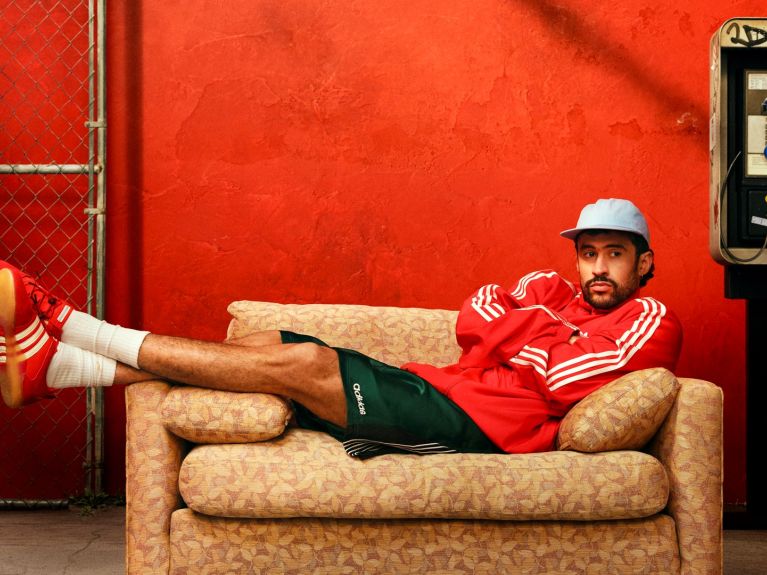
There are many German brands that people tend to associate with other countries, particularly the United States. These include the global favourites Adidas and Puma, which both emerged from the rivalry between brothers Adolf and Rudolf Dassler.
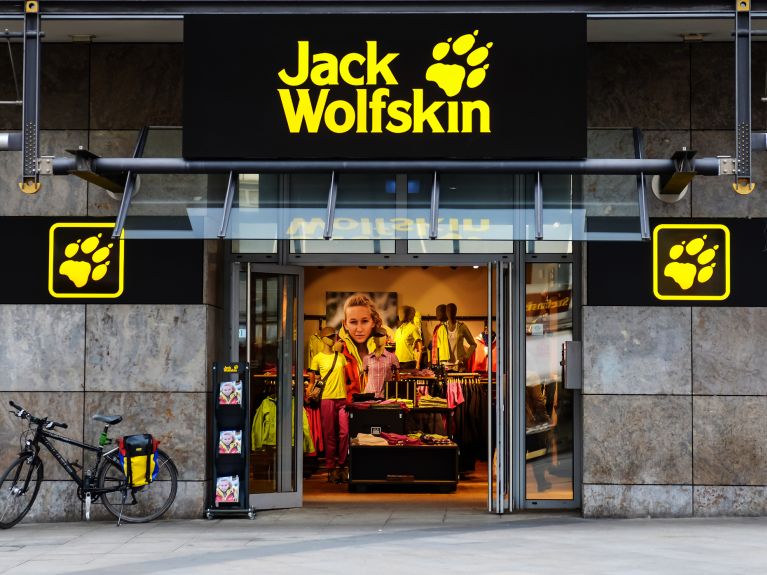
A dispute between brothers also played a major role in the history of the globally active discount giant Aldi: here, as with Lidl, many people are surprised to discover that the brand has German origins. Nivea may appear distinctly Mediterranean, but it actually comes from the northern city of Hamburg. Jack Wolfskin sounds as though it belongs in the Rocky Mountains, yet it originated in the comparatively flat region around Frankfurt am Main. Its paw-print logo is widely regarded as one of the coolest symbols in the outdoor industry.
The designer label Hugo Boss projects a glamorous, cosmopolitan image, but is based in the down-to-earth state of Baden-Württemberg. And anyone seeking “German quality” not in a shop window but through a pair of headphones is likely to end up with Sennheiser or Beyerdynamic. The list could easily go on.