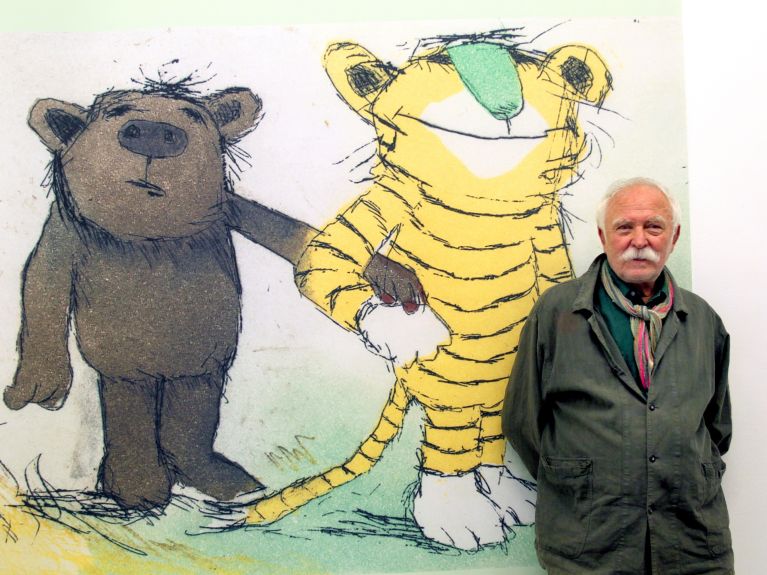
Janosch: the man behind Tiger Duck
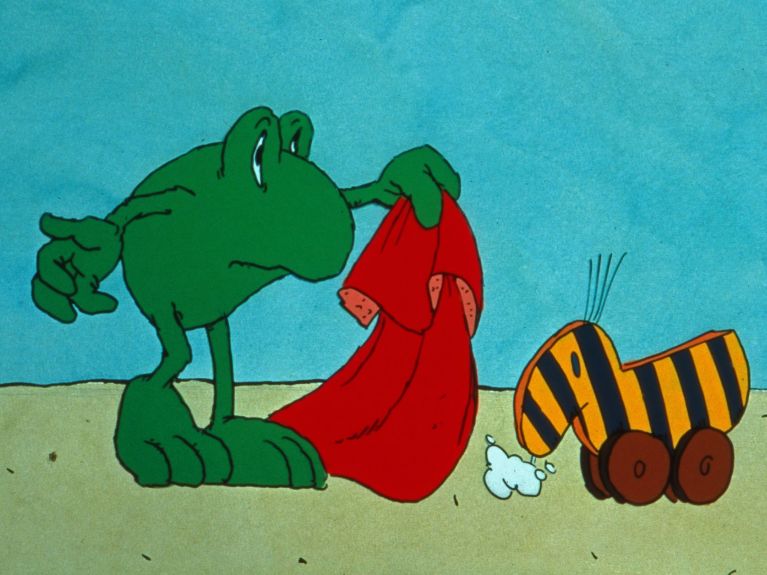
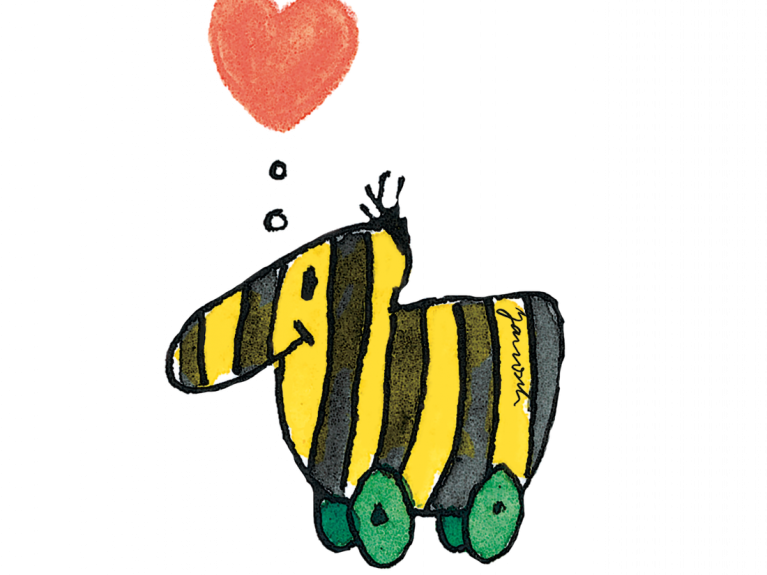
Bear, Tiger and Tiger Duck: for decades, Janosch’s characters have brought smiles to the faces of young and old around the world. The artist turns 95 on 11 March.
 Wolf Zinn
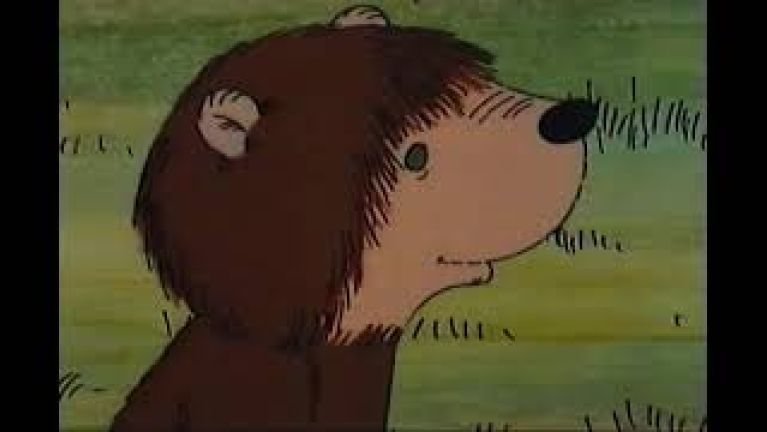
 They are figures whose mere appearance instantly warms the heart: the little Tiger, the little Bear and the Tiger Duck (Tigerente) on wheels. For decades their adventures have delighted people all over the world, from small children to the elderly. Their creator has now reached old age himself: Janosch turns 95 on 11 March 2026. His books have been published in around 40 languages and have sold millions of copies. Yet the familiar label of “children’s author” does not do him justice: Janosch is an illustrator and painter, he has produced etchings, and alongside his picture books he has published numerous texts for adults. He occasionally expressed criticism of society and the Church.
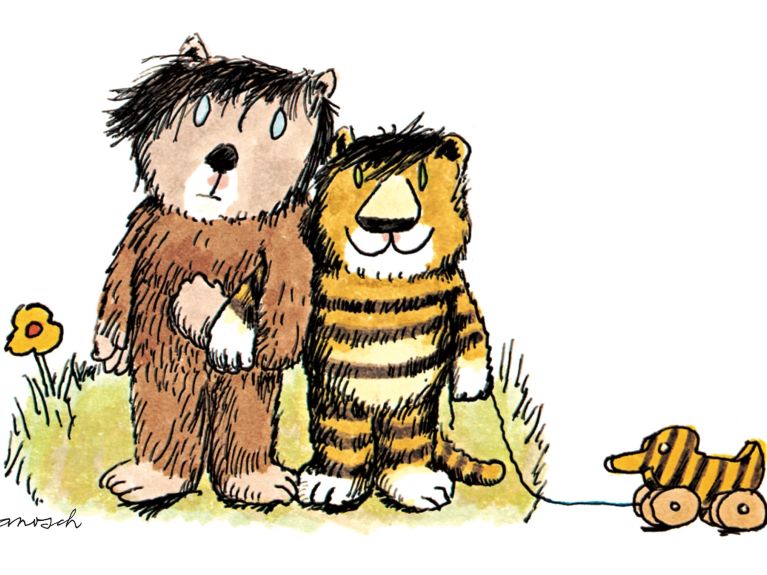
He was born in 1931 Horst Eckert in Zabrze (formerly Hindenburg) in Upper Silesia. Having suffered a difficult childhood – marked by painful experiences of violence and alcoholism in his family – he came to Germany after the war. He first trained as a blacksmith, later going on to study in Munich and then working as a freelance artist, for which he adopted the name “Janosch”. For many years now he has lived on Tenerife.
The breakthrough: a box, a scent, a decision
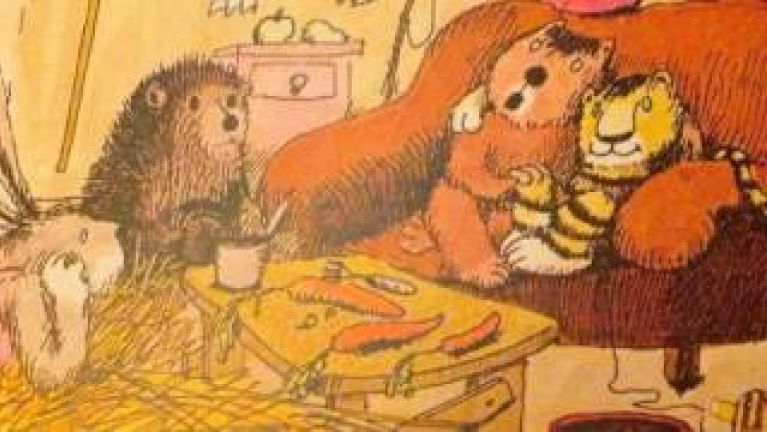
Published in 1978, his best-known children’s book “Oh wie schön ist Panama” (title of the English translation: The Trip to Panama) begins with a discovery. The little Bear fishes a wooden box out of the river. On the outside it says “Panama”, and inside there is a lingering smell of bananas. For the Bear the conclusion is obvious: if a place smells as good as that, it must be wonderful. From the label and the aroma emerges an image of a “land of dreams” where everything is bigger, nicer and more comfortable – ideally with a sofa to curl up on. The journey there turns into a chain of encounters, misunderstandings and decisions. In the end, Tiger and Bear arrive back at their own house, where they believe they have found the paradise they were looking for.
Dieses YouTube-Video kann in einem neuen Tab abgespielt werden
YouTube öffnenThird party content
We use YouTube to embed content that may collect data about your activity. Please review the details and accept the service to see this content.
Open consent formJanosch’s stories and dialogues not only convey warmth and a gentle irony, they also contain a philosophical wisdom that gives many adults pause for thought. One of the lines that captures this universe is the brief exchange about happiness: “O Bear … isn’t life unbelievably beautiful?” “Yes … it’s unbelievably beautiful!” Janosch smiles away the madness of everyday life. His characters are confronted with uncertainty, illness and moments of feeling overwhelmed. Yet they organise life with imagination, small rituals and above all friendship – the kind that provides a sense of security. “If you have a friend who can find mushrooms,” says little Bear, “then you don’t have to be afraid of anything.”
Beyond the books
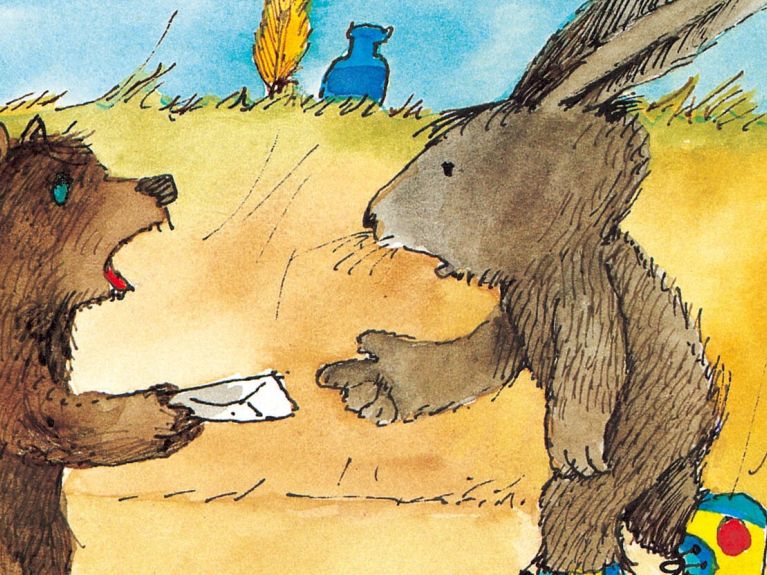
The fact that Janosch’s characters remain so familiar today is not due to the books alone. There have been film adaptations, radio plays, stage productions and musicals as well as a range of other projects inspired by his stories. Janosch’s images have also come to be present in many people’s day-to-day lives: on postcards with drawings and sayings, calendars, posters and games, and also on merchandise that has given Tiger, Bear and Tiger Duck a second career.
Dieses YouTube-Video kann in einem neuen Tab abgespielt werden
YouTube öffnenThird party content
We use YouTube to embed content that may collect data about your activity. Please review the details and accept the service to see this content.
Open consent formWhy the stories grow with their readers
Janosch’s style still feels distinctive to this day: slightly irreverent, sometimes anarchic in tone and deliberately rough-edged in the drawings. It is precisely this unpretentious quality that leaves space for broader themes – the desire for a simple and happy life, for friendship and love, for freedom and the right to pursue one’s own path.
For children this means being allowed to try things out without constantly being told what is right or wrong. And for many adults, it is not until they read the stories to their children or grandchildren that they recognise the depth of Janosch’s work – for instance the idea that sometimes you simply set off on a journey because a box smells of bananas.


