There’s no such thing as the “typical German” - or is there?
Intercultural coach Mala Ullal hears on a daily basis about how international skilled professionals experience misunderstandings in their work. What comes as a surprise to many, and what really matters.
 Christina Henning
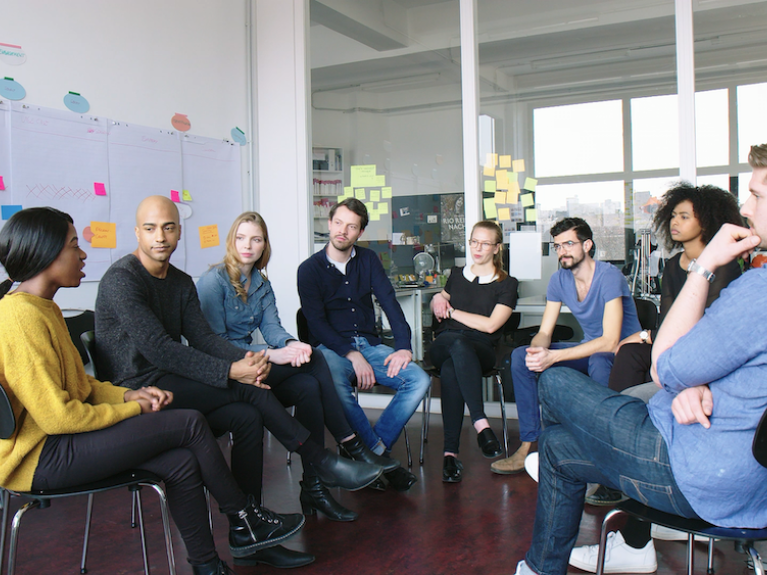
 In a seminar room, people from different countries, who have only recently begun living and working in Germany, are taking an intercultural course. One participant from India tells the group about a conversation he’s had with his German superior - he’s unsure quite how he should feel about the very direct feedback he received. Was that typically German? Or just his boss’ character?
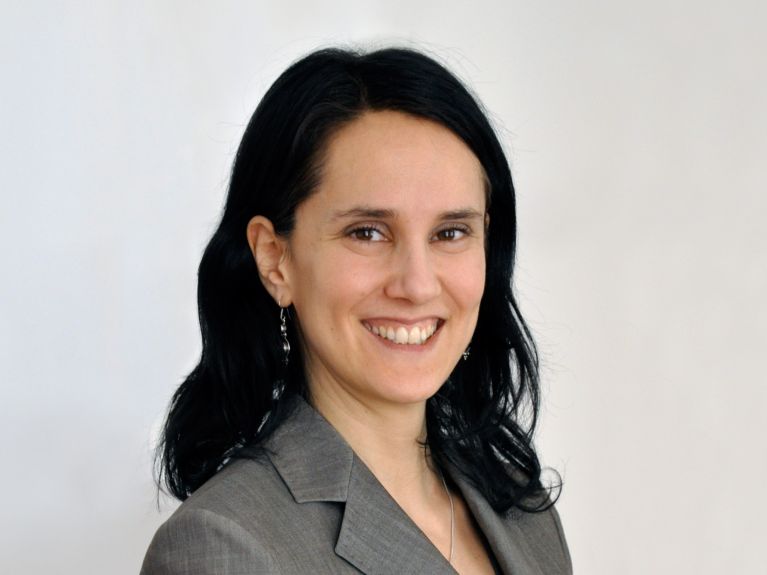
Mala Ullal regularly hears about such experiences. She’s been working as an intercultural coach for 25 years. Her own background - she was born in Germany to an Indian father and an American mother – shaped her view of intercultural exchange from an early age.
Dispensing with clichés, recognising rules
Ullal says that international skilled professionals often arrive with fixed notions about what everyday life and work will be like in Germany. She frequently hears clichés about Germans - concerning everything from punctuality to the Oktoberfest. “Gradually, my aim is to dispense with these clichés,” she says. After all, she says, there’s no such thing as the “typical German” - just as there is no such thing as a typical Indian or typical Chinese person.
She warns that it isn’t a good idea to try to explain away something one has experienced oneself by attributing it to a particular stereotype. All the same, she admits that there are recurring patterns that can be identified in the work context: by international standards, for example, communication tends to be pretty direct in Germany. “Yes means yes, no means no.” Germans normally adhere to clearly defined agreements and rules - so people from other countries need to get used to this direct and consistent approach.
It depends on the particular setting
Be it Berlin or Bavaria, a big city or rural region, an IT firm or a hospital: the particular setting in which one happens to find oneself is what really counts - as this determines how people in Germany live and work. Ullal recommends that anyone who feels uncertain should practise communicating - German-style. “There are many things you can just address directly in Germany,” she says. “For example, if you don’t know which bin to put your rubbish in - just ask!”
Ullal’s courses aren’t just about how to deal with specific situations; she also teaches her students to consider their own attitudes: what expectations did I bring with me to Germany - and when do I maybe jump to conclusions? She says her goal is to get her students to approach people without bias or prejudice.


