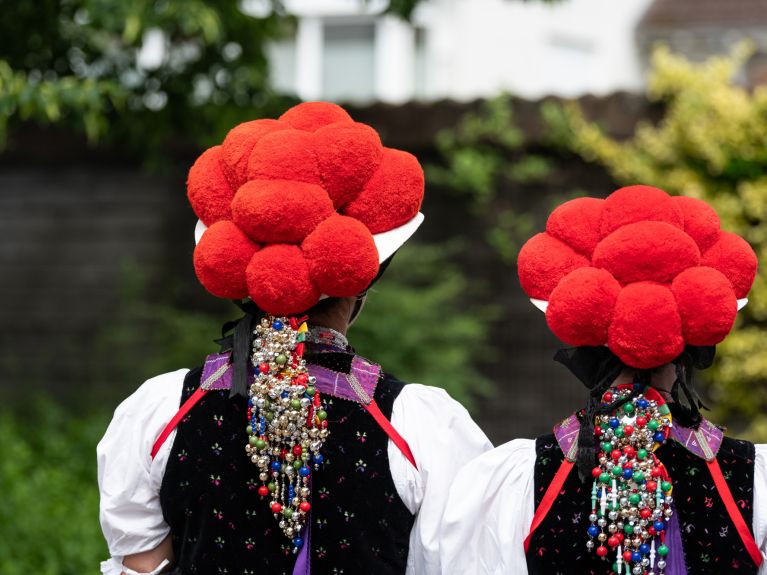
More than clothing: the meaning of traditional dress
Cultural studies expert Simone Egger explains why traditional dress is far more than just a cliché in Germany and why it is again giving young people a sense of identity.
 Interview: Ina Brzoska
 Ms Egger, many people associate German traditional dress with dirndls and lederhosen. Does this ignore just how diverse traditional costumes can actually be?
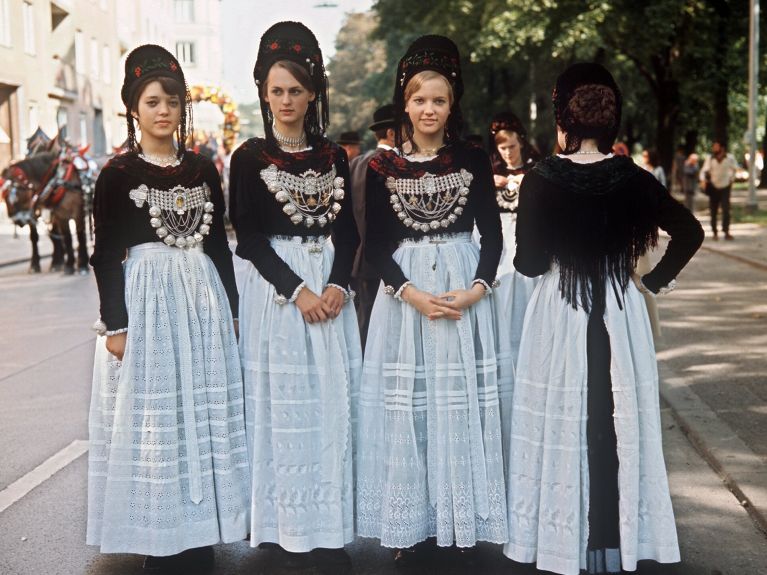
Yes, the culture of traditional dress is significantly more wide-ranging. Traditional Bavarian costumes tend to dominate in people’s perception, partly because the Oktoberfest receives such huge media attention. However, Munich’s annual traditional costume and rifleman’s parade showcases a huge range of historic costumes from all over Europe. In all parts of the territory that is today’s Germany, precious fabrics such as velvet and silk were used to make gathered skirts, coronets and bonnets to be worn on the high Christian festivals. Costumes based on designs from the 18th or 19th century tend to be preserved by clubs and associations, while more modern versions are also worn on festive occasions. Muslims in Germany also wear garments featuring historical elements at the festival of Eid.
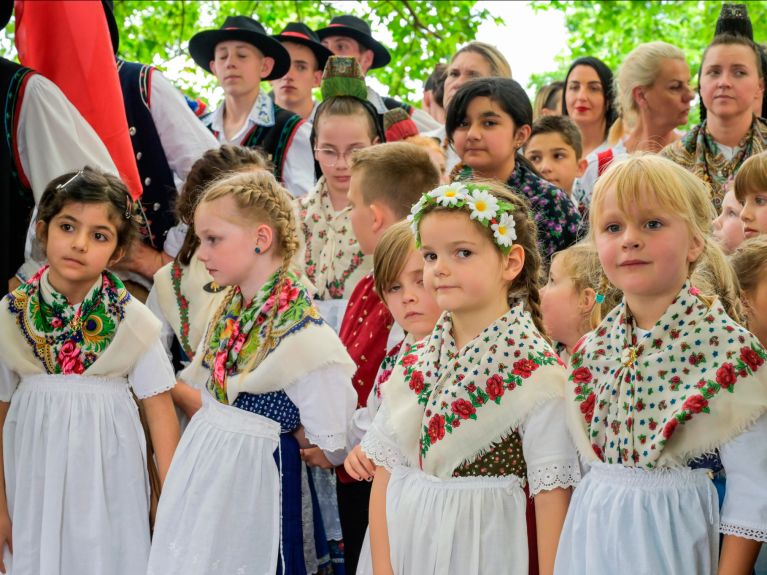
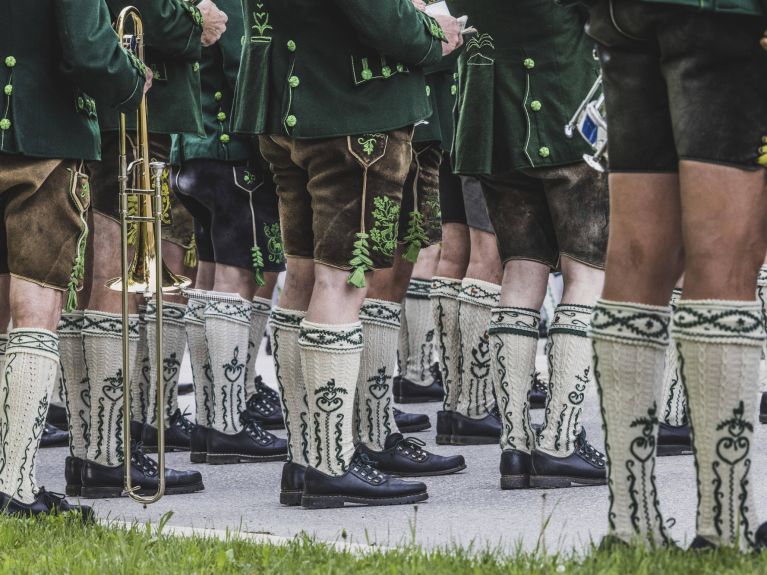
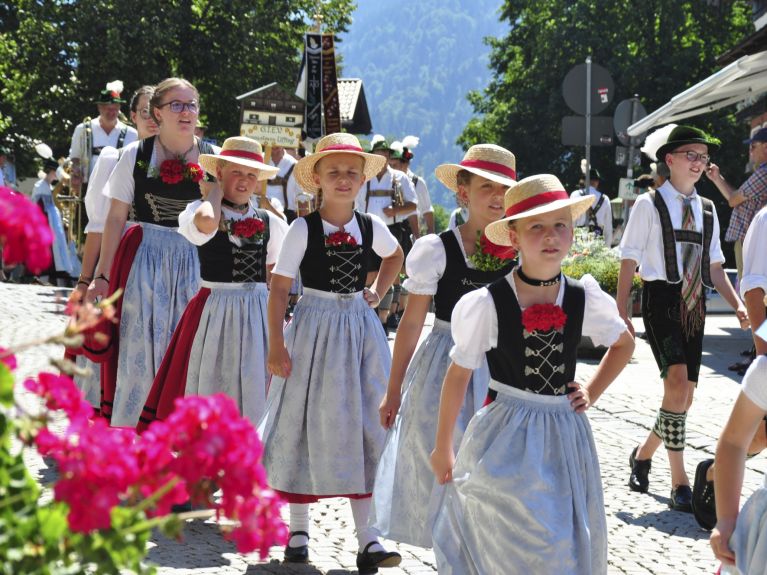
For some years now, younger people have again begun wearing traditional costumes on special occasions. How did this trend come about?
Things began changing in the early 2000s. Young people suddenly adopted a playful attitude towards traditions, the political connotations of which became less important. At the same time, vintage fashion and regional identity became increasingly popular. Even outside Bavaria, dirndls and lederhosen are worn on specific occasions these days and in many places are seen as providing a sense of identity and belonging.
Is the traditional costume trend being driven by social media?
We are living in an age of images, so folklore makes for an excellent motif. Especially on social media, people are keen to showcase what makes them individual, what makes them special, while keeping up with global trends. It’s vital to feel a sense of belonging and to know one’s place in the world. Traditional dress can be put on and taken off quickly, it can be worn flexibly and has symbolic impact.
What does traditional dress symbolise in 21st century Germany?
Traditional dress is a form of communication. In today’s fast-paced and fleeting world, one challenge is that people from different backgrounds encounter one another increasingly rarely - partly because we live more digital lives. Traditional dress can provide a reason to meet in person and engage with one’s own history. It also symbolises community, good vibes and fun.
Cultural studies expert Simone Egger, born in 1979, is a junior professor in cultural anthropology and teaches at Saarland University. Her 2008 master’s thesis was published as a book entitled “Phänomen Wiesntracht” (The Oktoberfest Tracht Phenomenon)