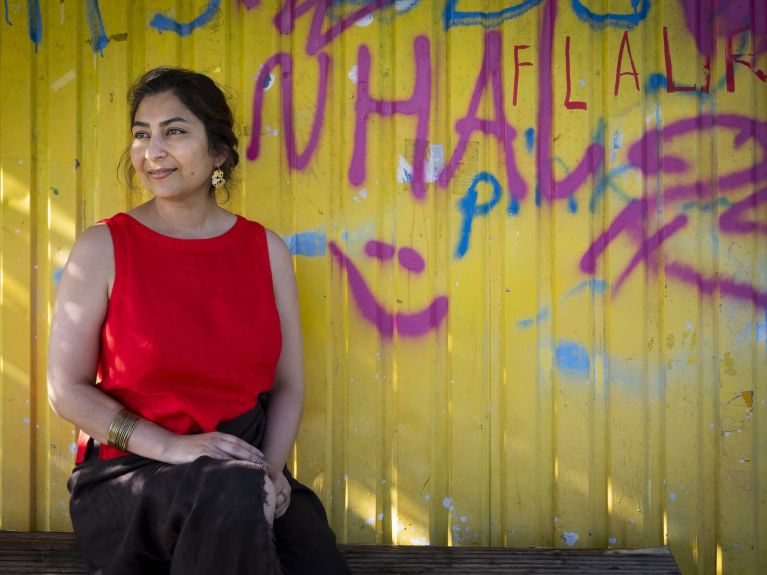
“I couldn’t get rid of this feeling that I had to censor myself”
Censored in Iran, free in Germany: why it took the journalist Maryam Mardani some time before she could understand this freedom - and what she learnt about herself in the process.
In Germany, freedom of the press is enshrined in Article 5 of the country’s Basic Law. This is not something Maryam Mardani took for granted. A journalist from Iran, she was accustomed to having her work censored and has been living in Germany since 2013. She reports here how this affected her work.
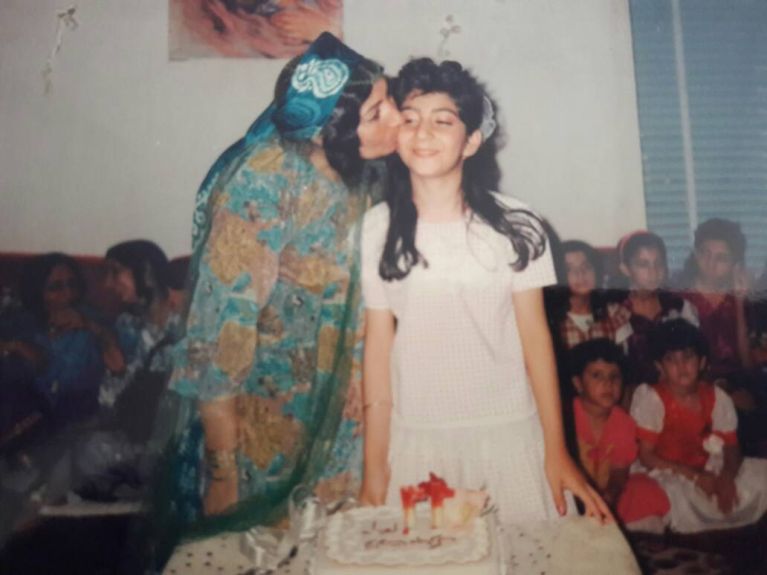
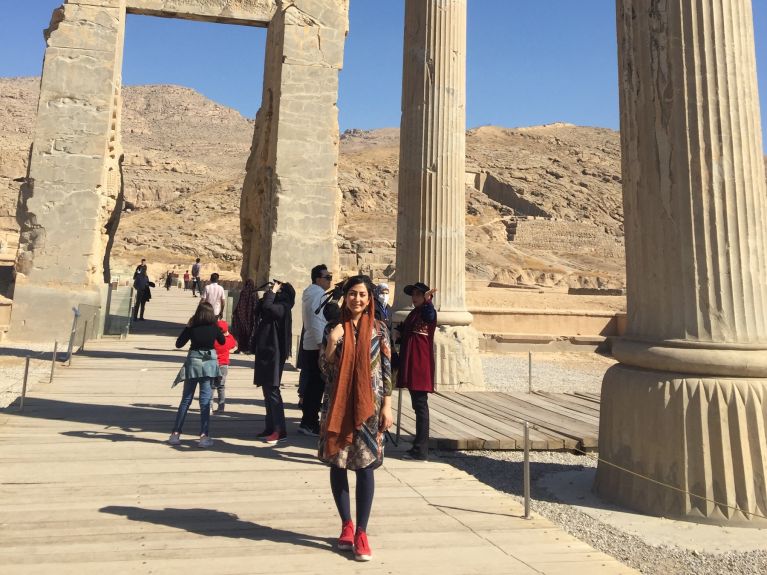
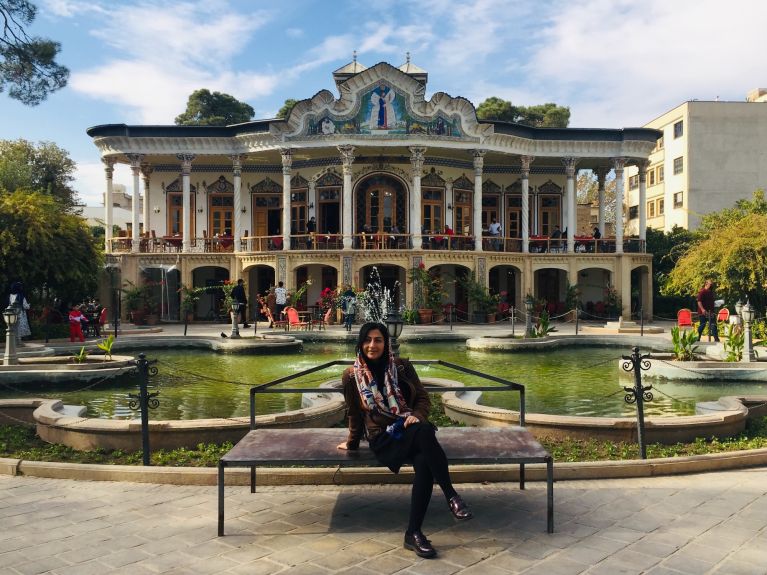
“In 2013, I boarded a plane in Shiraz to begin a new life. I was 29 years old and had with me two suitcases that were packed full of clothing, books and dreams that I couldn’t make come true in Iran. I left behind my family, my friends and my previous life. Ahead of me lay Germany – an unfamiliar country that promised me freedom.
I had just graduated with a master’s in English literature and begun teaching as a lecturer in Iran. However, I constantly found myself at loggerheads with the university: on one occasion I was told that I wasn’t allowed to teach unless I was wearing a headscarf. On another occasion, I was told to wear different clothes and not to engage in conversation with male students. I wasn’t able to publish my short stories either, because they were censored. I was a young woman with a healthy body but felt downright mutilated by the way my thoughts were oppressed. So I decided to leave Iran. A PhD in Germany gave me the opportunity I was looking for.

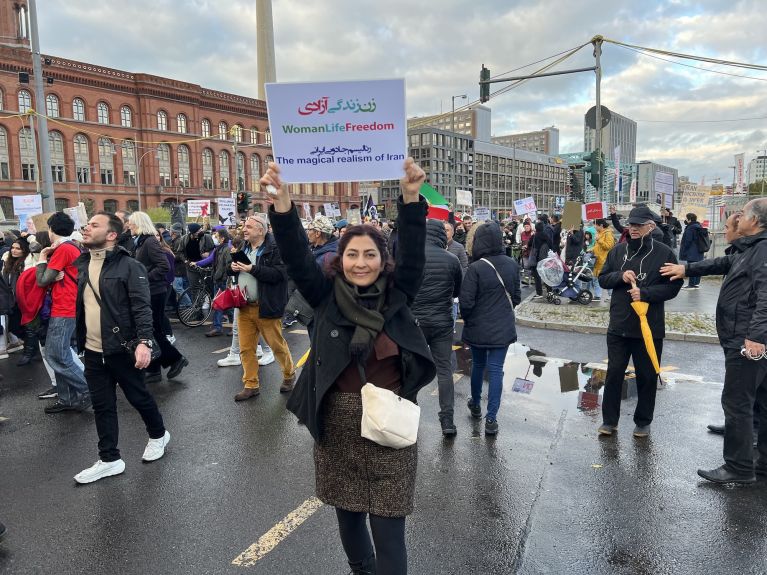
Once I had arrived in my new homeland, I stood with my suitcases at the station of a small town in Bavaria and was simply overwhelmed. I was immediately approached by a friendly young woman who introduced herself as a student from Italy and offered to help me. This first chance encounter made a deep impression on me.
It was the first time I met another student from my university. Following this friendly encounter, I had the feeling that we humans - regardless of our nationality - understand one another and can easily get to know each other better, yet our governments keep us apart.
It took years for me to feel truly free. Yes, now I was ‘free’ - but what did that even mean? I had no idea at first. I also realised how deeply I had internalised the concept of censorship when I was writing my doctoral thesis. I couldn’t get rid of this feeling that I had to censor myself. As time passed, however, I found words for what I really wanted to say.
By the time I completed my PhD, I realised I wanted to become a journalist; a profession that would not have been open to me in Iran. There is no freedom of the press there. Journalists do not work independently like they do in Germany, but are controlled by the regime. Anyone who reports critically risks their freedom or their life. I experienced how friends were arrested because they wrote about subjects such as drug abuse or child labour.
Now, after living and working in Germany for 13 years, I see that although freedom of expression is protected by Germany’s Basic Law, there are certain social and media sensibilities regarding a number of political topics that influence the framework for debate. I am aware, especially in journalistic reporting and public discussions of the Middle East - about the Iran conflict or the war in Gaza, for example - of a tangible reluctance to express any harsh criticism of Israeli policy.
At the same time, this topic has a personal dimension. I am concerned about my family in Iran, who are living amid war and repression. It’s particularly alarming that the young generation is losing all hope. My nieces and nephews are still teenagers but have already given up their dreams. I hope they will one day be able to experience what I could - a life in freedom and the opportunity to achieve their goals.


