
German legends: of heroes, dragons and flutes
How centuries-old stories from Germany continue to live on around the world and fascinate people to this day.
 Wolf Zinn
 German legends come from a long-vanished world of castles, mystical figures and dark forests. Yet their themes remain present today: in operas, films, fantasy novels, comics and computer games. Here are some examples of the better-known legends:
Dragon’s blood and a pact with the devil
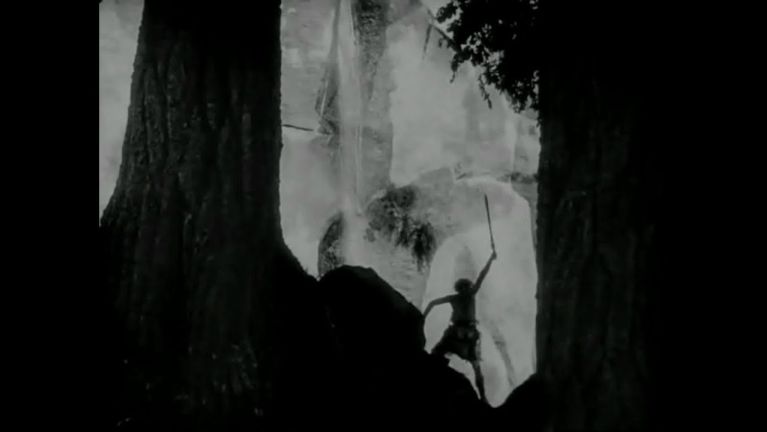
Set down in the “Nibelungenlied” dating back to approximately the year 1200, the Nibelung legend tells of Siegfried, who kills a dragon and bathes in its blood. This bizarre ritual makes him invulnerable. Only one spot on his back remains vulnerable, where a linden leaf lands while he is taking his bath, covering a small patch of his skin: the magical dragon’s blood cannot protect him there.
The Nibelung legend is a grand and wild drama – full of heroism, love and betrayal. Richard Wagner brought the story to the opera stage in the 19th century in his cycle “Der Ring des Nibelungen”, which continues to be performed worldwide. Fritz Lang’s monumental 1924 film adaptation was followed by many others.
Dieses YouTube-Video kann in einem neuen Tab abgespielt werden
YouTube öffnenThird party content
We use YouTube to embed content that may collect data about your activity. Please review the details and accept the service to see this content.
Open consent form“Faust” is another enduring German classic. A scholar desires to gain more knowledge and experience than any ordinary human being – and offers the devil his soul in exchange. This legend of a pact with the devil appeared as early as 1587 in a popular book. Johann Wolfgang von Goethe took up the story and worked on it for decades; the first part of “Faust. A Tragedy” was published in 1808 – and became a work of world literature.
Children, cliffs and a trickster
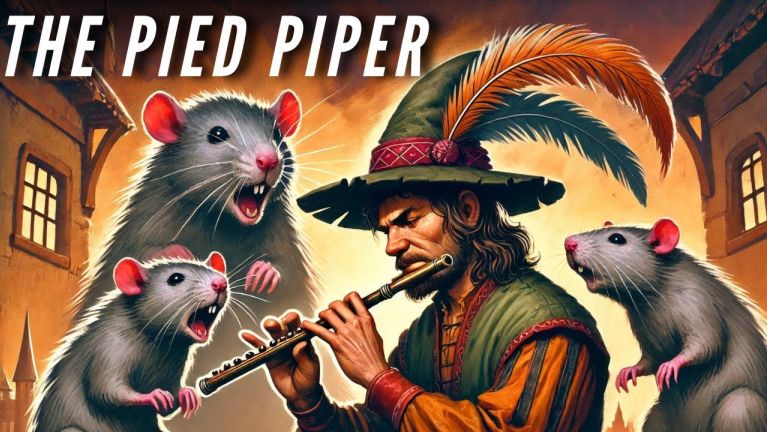
“The Pied Piper of Hamelin” may have been based on fact. According to an inscription, a man led 130 children away from the Lower Saxony town of Hamelin in 1284. In the legend, a flute-player frees the town from a rat infestation. When he is not paid as agreed, he lures the children away in revenge by playing a captivating melody. A true tale of horror – with the moral that promises should be kept.
Dieses YouTube-Video kann in einem neuen Tab abgespielt werden
YouTube öffnenThird party content
We use YouTube to embed content that may collect data about your activity. Please review the details and accept the service to see this content.
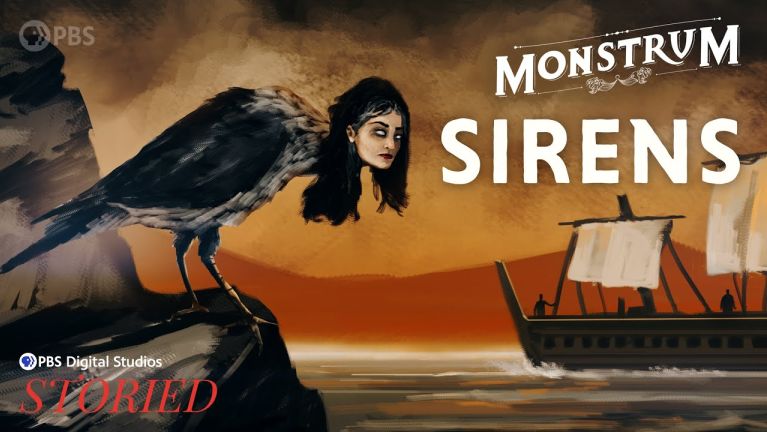
Open consent formHeinrich Heine wrote his poem “Die Lore-Ley” in 1824. It tells of a bewitching woman on a rock on the Rhine whose enchanting singing distracts boatmen so severely that they meet with disaster. This theme of natural forces and romantic seduction is reminiscent of the sirens in Homer’s “Odyssey”.
Dieses YouTube-Video kann in einem neuen Tab abgespielt werden
YouTube öffnenThird party content
We use YouTube to embed content that may collect data about your activity. Please review the details and accept the service to see this content.
Open consent formFinally, Till Eulenspiegel is the most famous trickster in the German tradition. Around 1510 a popular book was published in Strasbourg with comic tales about a wandering rogue who takes instructions literally and provokes misunderstandings, thereby embarrassing craftsmen, priests, councillors and princes. The stories have been translated into numerous languages, making Till one of the great trickster characters of world literature.