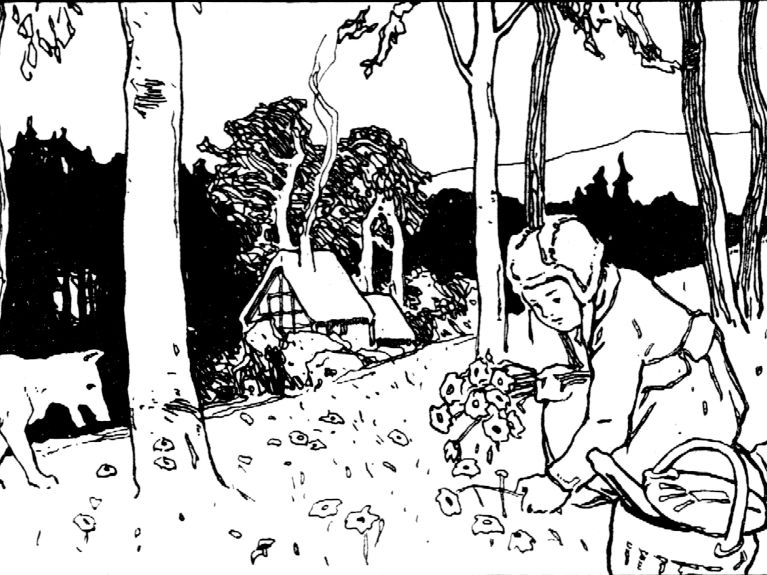
The Grimm fairy tales – from popular oral tradition to the world
How the Brothers Grimm collected German fairy tales, why these resonate worldwide and how they continue to shape pop culture. Read here to find the enchanting facts!
How did the Grimms’ fairy tales come into being?
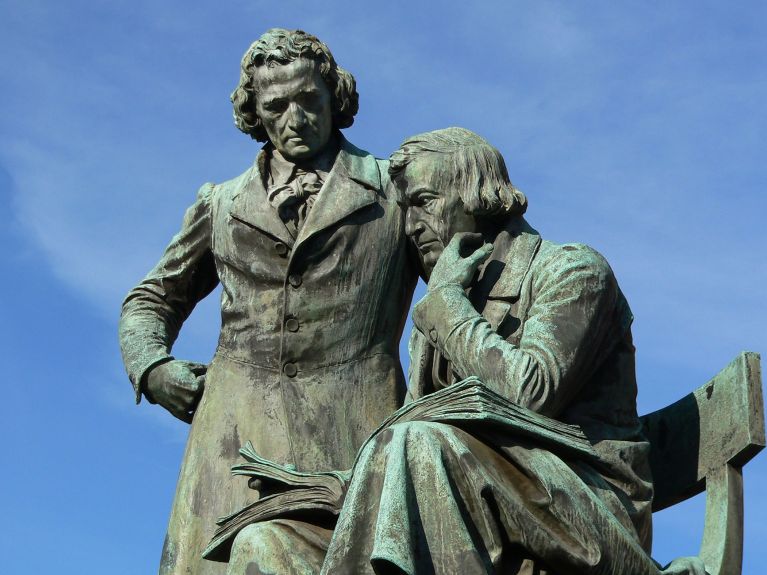
It was in the early 19th century that linguists Jacob and Wilhelm Grimm began collecting and editing around 200 German fairy tales, especially in Hesse. Their source was oral tradition – as told by the Kassel market woman Dorothea Viehmann, for example – as well as stories passed on by ordinary folk, the bourgeoisie and some texts that had already been published. The first volume of the Grimm brothers’ “Children’s and Household Tales” appeared in 1812.
What significance do the tales have today?
They are among the most widely distributed literature in the world and form a core part of German cultural history. Museums and schools keep the heritage alive, as does the German Fairy Tale Route. The handwritten originals have formed part of UNESCO’s “Memory of the World” programme since 2005. The gender roles, depictions of violence and narrative patterns in the Grimm tales are often viewed critically today from an educational and feminist perspective.
Why did the Grimm fairy tales become so popular worldwide?
Their characters and themes – courage, justice, fear, hope – feel universal, while the clear structure of the stories made translation into more than 160 languages easier. The best-known fairy tales include Snow White, Cinderella, Hansel and Gretel, Little Red Riding Hood, Sleeping Beauty, Rapunzel and Rumpelstiltskin.
Dieses YouTube-Video kann in einem neuen Tab abgespielt werden
YouTube öffnenThird party content
We use YouTube to embed content that may collect data about your activity. Please review the details and accept the service to see this content.
Open consent formIn which countries are they especially popular?
Besides Germany, they are particularly beloved in North America as well as in Japan and Korea. In the USA, the tales belong to children’s literature and pop culture, and they also form part of school curricula. In Japan, manga adaptations, anime episodes and theme parks have emerged that are dedicated to Grimm motifs.

Dieses YouTube-Video kann in einem neuen Tab abgespielt werden
YouTube öffnenThird party content
We use YouTube to embed content that may collect data about your activity. Please review the details and accept the service to see this content.
Open consent formWhat artistic influence have the Grimm fairy tales had?
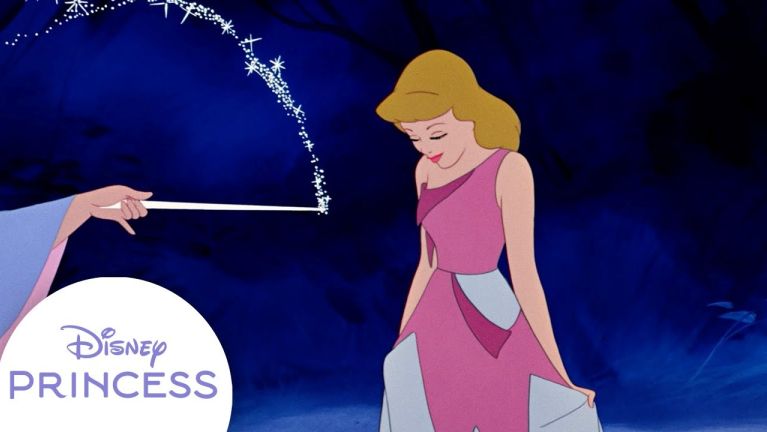
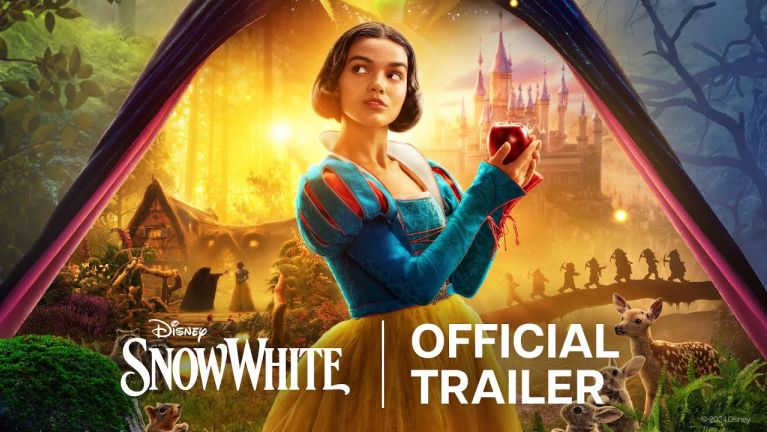
Disney used the Grimm brothers’ material as the basis for the films Snow White and the Seven Dwarfs, Cinderella and Tangled. As a result, many people are only familiar with Disney’s popular adaptations, not the originals. Numerous modern books, music, plays, works of art, films and series such as Once Upon a Time and Grimm freely adapt fairy-tale characters and motifs, setting them in new narrative worlds.
Dieses YouTube-Video kann in einem neuen Tab abgespielt werden
YouTube öffnenThird party content
We use YouTube to embed content that may collect data about your activity. Please review the details and accept the service to see this content.
Open consent formHow do the originals differ from modern versions?
The early versions are scarier, more violent and more rooted in popular superstition. In later editions, scenes of violence were toned down and gender roles smoothed out. In an early version of Rapunzel it was implied that the girl was pregnant. This passage was removed in later editions.
Did Snow White really exist?
The tale may have been inspired by Maria Sophia von Erthal, born in 1729: a finely crafted mirror in her family home is said to have produced acoustic effects.
Were the Grimm brothers wealthy?
Although the fairy tales they collected became world-famous, they did not bring the Grimm brothers great financial success. They earned their living mainly through their scholarly work.


