Seven culinary regions just waiting to be discovered
From Matjes in the north to Kässpatzen in the south, discover Germany’s regional cuisine and its wealth of seasonal specialities.
 Kim Berg
 Palatinate: Wine, onion tart and almond blossoms
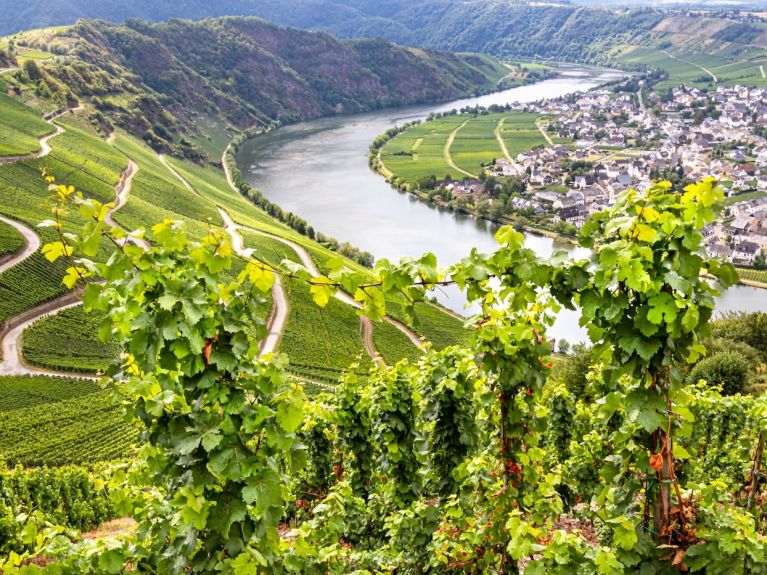
Situated in southwestern Germany, the Palatinate is one of the country’s best-known wine-growing regions. Countless vineyards, castles and villages line the German Wine Route. Local wine producers serve up their own wines - often paired with simple local dishes - in wine taverns.
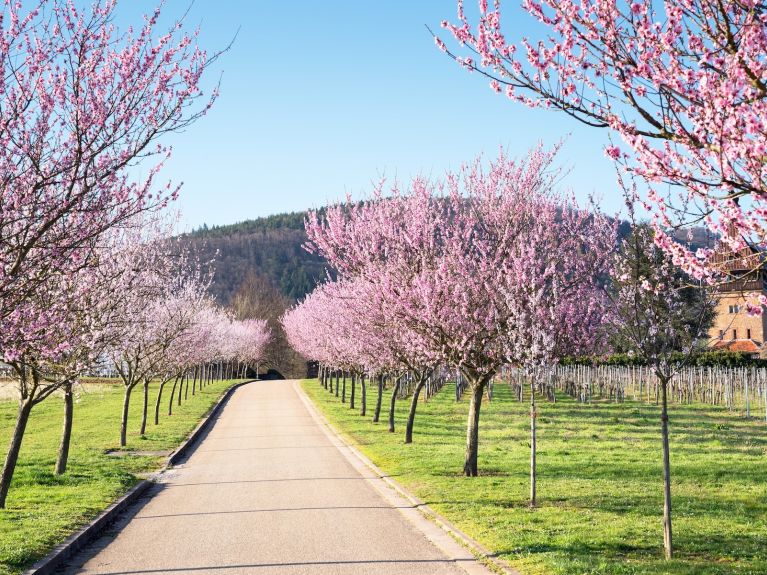
The hearty classics you are likely to find include Pfälzer Saumagen (stuffed pig’s stomach), liver dumplings and bratwurst with sauerkraut. In the late summer and autumn, lighter and vegetarian options are also on the menu, such as onion tart, chestnuts - known in the Palatinate as “Keschde” - and dishes featuring figs or almonds. A real almond culture has evolved in the region thanks to the mild local climate.
North Sea coast: Fischbrötchen, pickled herring and huge skies
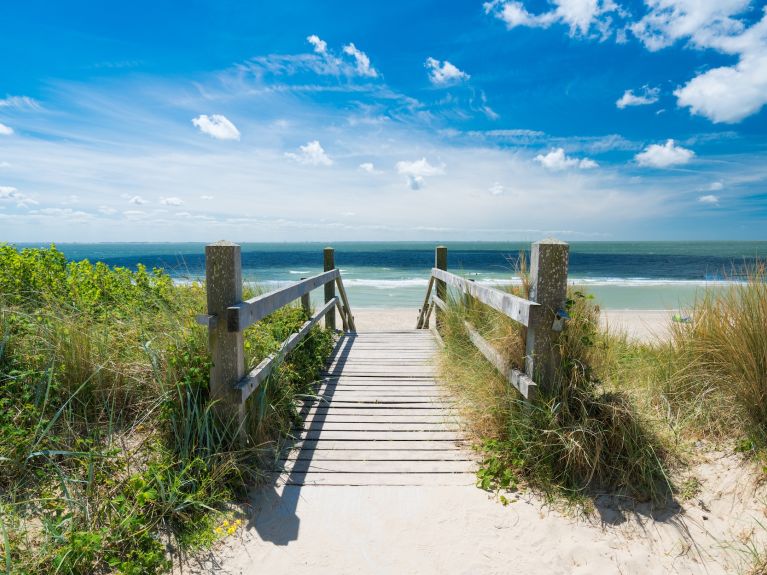
On Germany’s North Sea coast, a seaside lifestyle is synonymous with all kinds of fish-based dishes. Towns like Büsum in Schleswig-Holstein, Bremerhaven or Greetsiel in East Friesland are perfect places to watch the prawn boats, stroll across the dykes and then enjoy a tasty Fischbrötchen - a bread roll stuffed with fish - with a view of the sea. The rolls come with fillings such as different varieties of pickled herring or North Sea prawns.
For those brave enough to give it a go, a local speciality is Labskaus: a traditional seafarers’ dish made of potatoes, corned beef and beetroot, usually served with a fried egg, pickled gherkin and herring. It’s also well worth stopping off for a cup of tea in East Friesland. East Frisian tea is traditionally drunk with white rock sugar, known locally as “Kluntje”, and just a dash of cream.
Altes Land: Apple blossoms just a stone’s throw from Hamburg
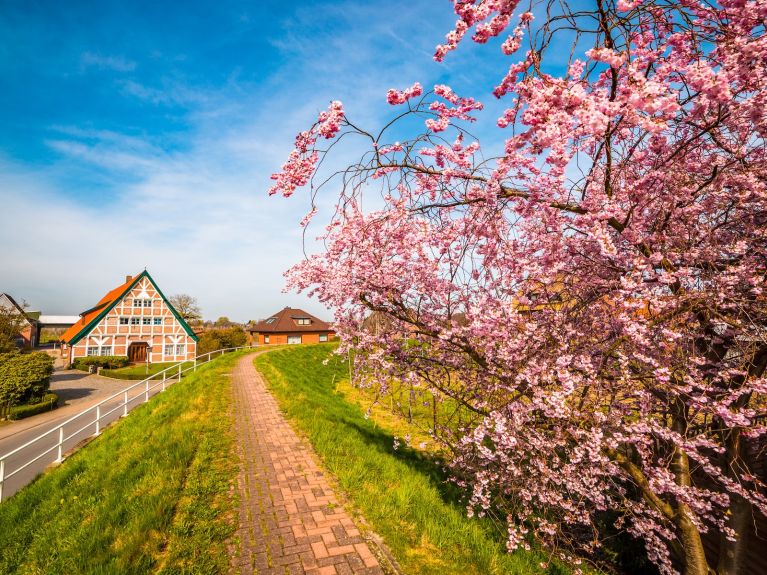
Not far from Hamburg , to the south of the River Elbe, can be found the Altes Land, a cultivated landscape characterised by its orchards, dykes and half-timbered buildings. The region is particularly known for its apples. If you come in the spring, you can cycle through an ocean of white and pick blossoms. The trees are laden with fruit by late summer and autumn, with local farm shops offering up freshly pressed apple juice, jams and cakes.
You should definitely try a gedeckter Apfelkuchen - a kind of apple pie - or a slice of apple tart, ideally in a farm café. Pears, cherries and berries are also grown in the region. Combining a bike tour with a ferry ride across the Elbe and a well-deserved break at a fruit farm makes the Altes Land the ideal destination for a culinary day out from Hamburg.
Spreewald: Gherkins, linseed oil and waterways
To the southeast of Berlin you will encounter a landscape that is best explored by boat. The Spreewald forest is crisscrossed with hundreds of small natural and artificial channels, known locally as Fliesse. Traditional punts glide smoothly past wooden houses, gardens and fields. If you’re looking for a more active day out, you can rent a kayak or cycle the Gherkin Bike Trail.
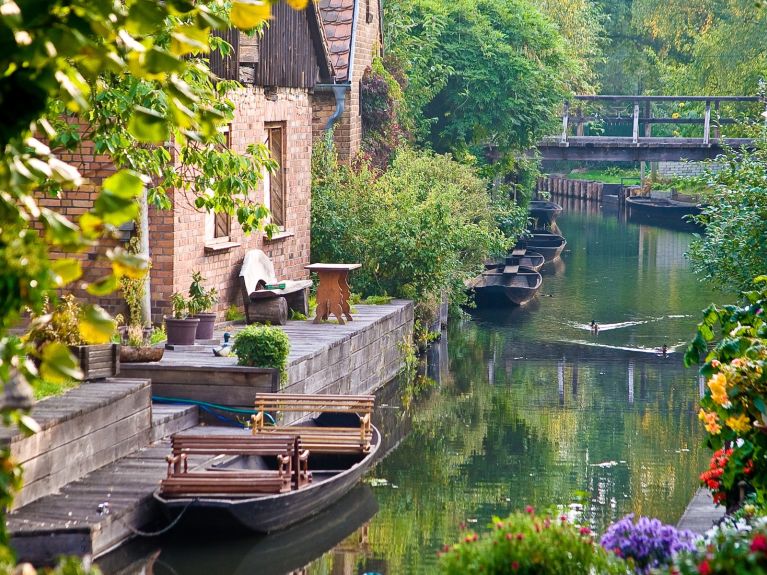
The Spreewald gherkins are also iconic. Depending on how they are prepared, they can taste slightly sweet, tangy or sour. Potatoes boiled in their skins and served with quark and linseed oil are equally typical of this region. A fixture in the local cuisine, the golden yellow oil has a mild, nutty taste. Other local specialities include horseradish, honey and Peitz carp. Farm shops and farmers’ markets sell many of these locally produced delicacies.
Thuringia: Bratwurst, dumplings and clean forest air
In Germany’s green heart you will find a delightful combination of hiking trails, small towns and unpretentious local cuisine. All around the Thuringian Forest you can hike through dense woodland in the morning and then try a Thuringian Rostbratwurst at a stall for lunch. It’s normally served - often with mustard - in a bread roll that has been sliced open.
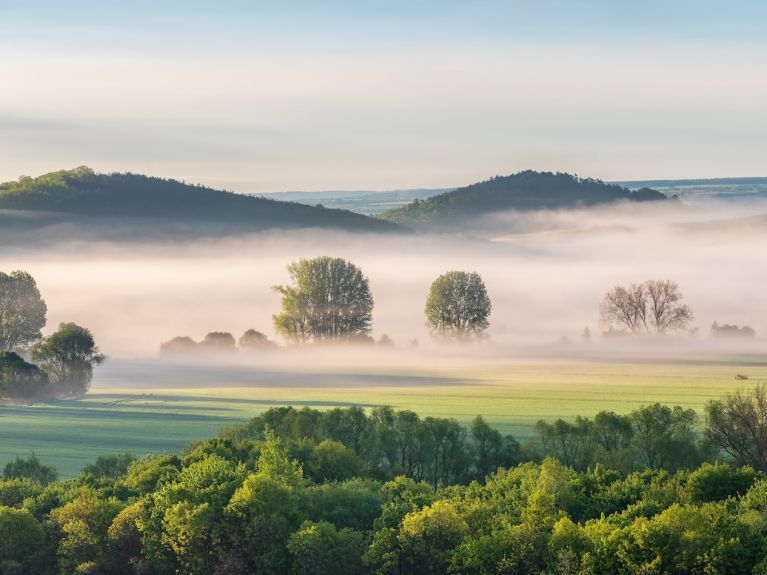
Thuringian dumplings are another classic. Large potato dumplings, they traditionally accompany stews and roast meats, though they are also delicious with mushroom sauce. The region isn’t just for fans of sausages, in other words. In Erfurt, Weimar or smaller towns you will find taverns offering modern or vegetarian versions of classic regional dishes.
Allgäu: Mountain cheese and Kässpatzen against an Alpine backdrop
The Allgäu region is characterised by its lush green meadows, dairy farms and the Alps - and by its cuisine. Cheese is a key component of many local dishes. Allgäuer Bergkäse - the region’s mountain cheese - is matured for several months so that it develops its strong flavour. Alpine dairies allow you to try varieties of different ages and watch how milk is turned into cheese.
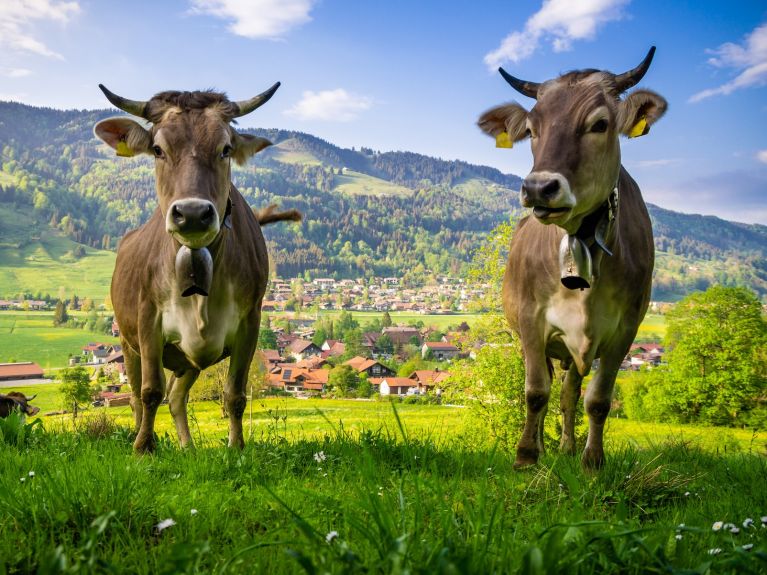
Kässpatzen - soft egg noodles layered with pungent cheese and topped with fried onions - are to be found on just about every traditional menu. They really hit the spot at the end of a long day’s hiking.
The Ore Mountains: the sweet taste of Advent in Saxony
When the nights draw in, a very special season of culinary treats begins in Saxony. Dresden is famous for its Christstollen, a heavy and long-lasting yeast-based fruit bread made with butter and raisins and covered with icing sugar. During Advent, it is sold at Christmas markets and in bakeries and cafés. The Ore Mountains with their small mountain towns, wood-carving traditions and atmospheric Christmas markets aren’t far away.
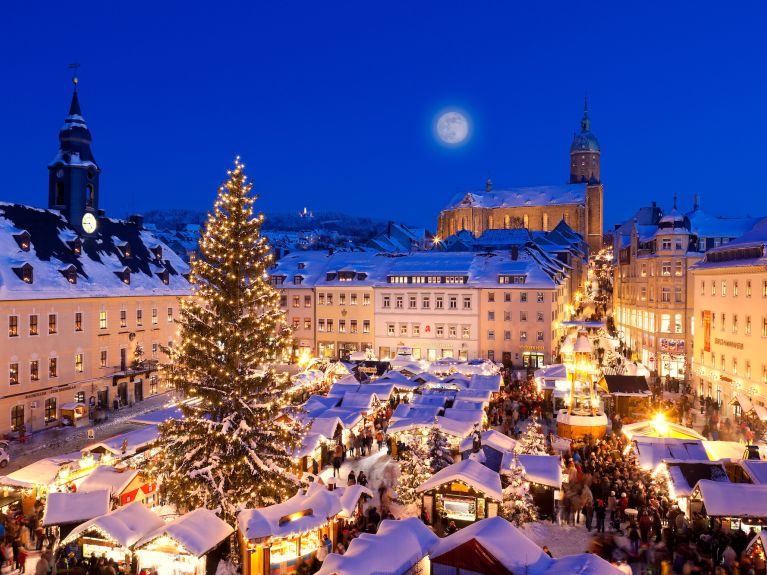
Besides Stollen , Saxon specialities include Pulsnitz gingerbread and sweet pancakes called Quarkkeulchen. If you’re more in the mood for something savoury, why not try some potato soup or the Saxon version of Sauerbraten - marinated roast meat.
