A tunnel beneath the sea is emerging
The Fehmarnbelt Tunnel between Germany and Denmark will be a once-in-a-century construction project. German engineering skills are decisive in realising one of the world’s longest immersed tunnels.
 Ina Brzoska
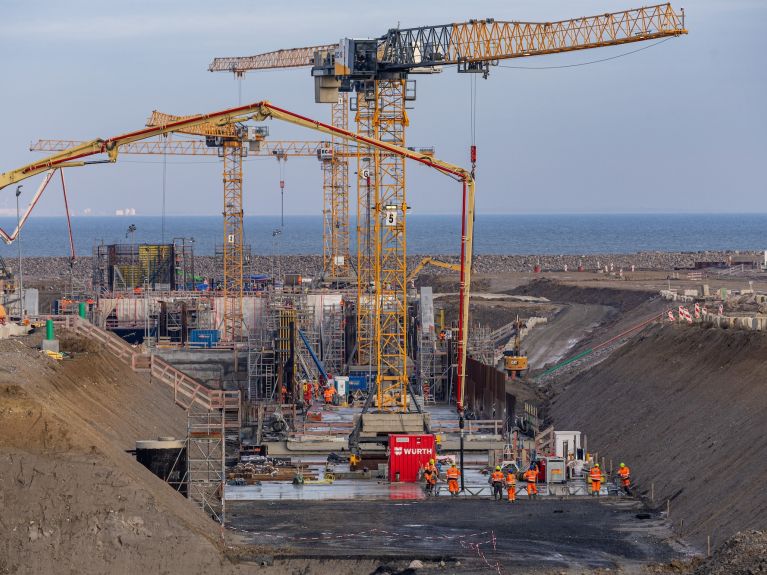
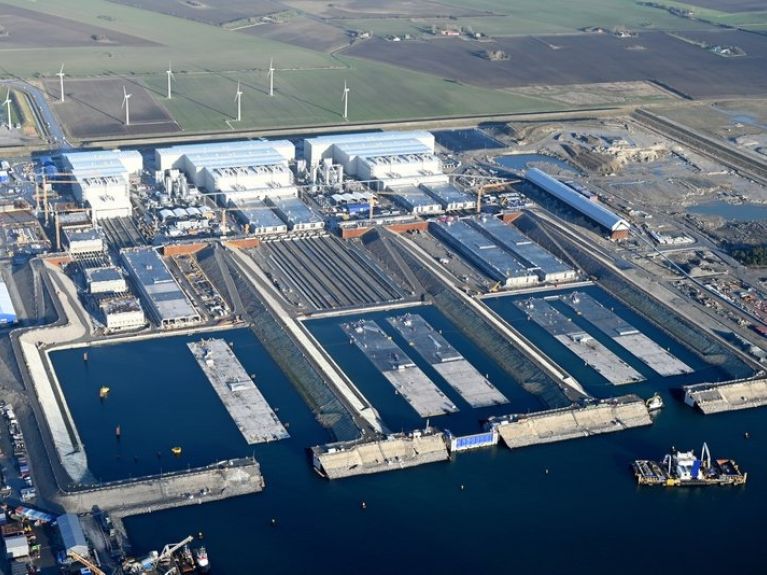
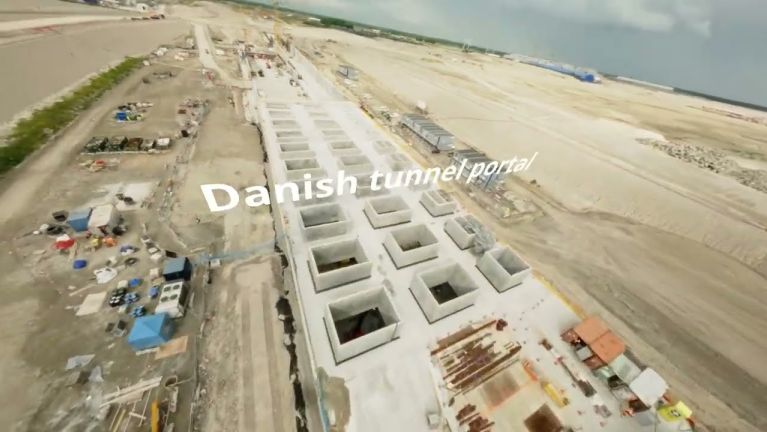
 An 18-kilometre-wide inlet still separates Germany and Denmark. The wind ripples the surface of the water, ferries ply their routes across the Fehmarn Belt. This apparent tranquility deep beneath the waves is deceptive, because one of Europe’s largest infrastructure projects is taking place here. Cranes, auxiliary harbours, and excavation pits for the emerging tunnel portals delineate the construction sites on both coasts. Concrete structures as tall as skyscrapers are rising on land on the Danish side. This is the construction site for the Fehmarnbelt Tunnel – the future fixed link between Germany and Denmark.
What makes construction of the Fehmarnbelt Tunnel so unique?
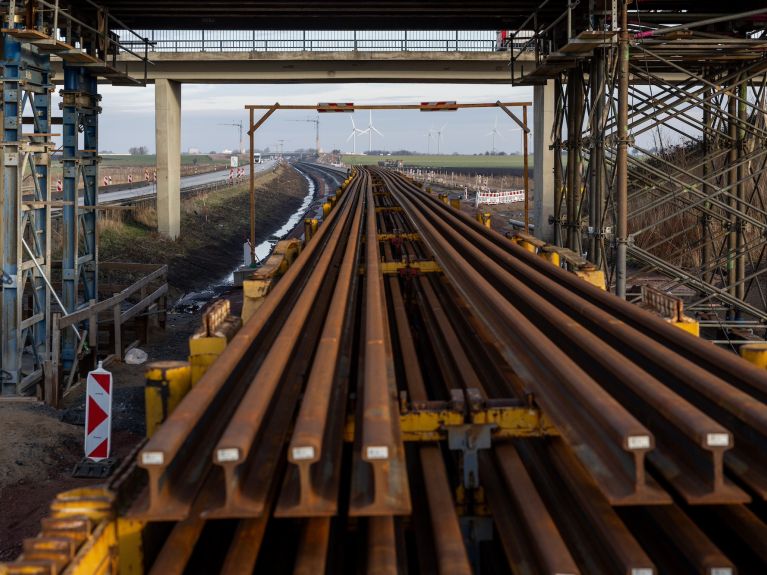
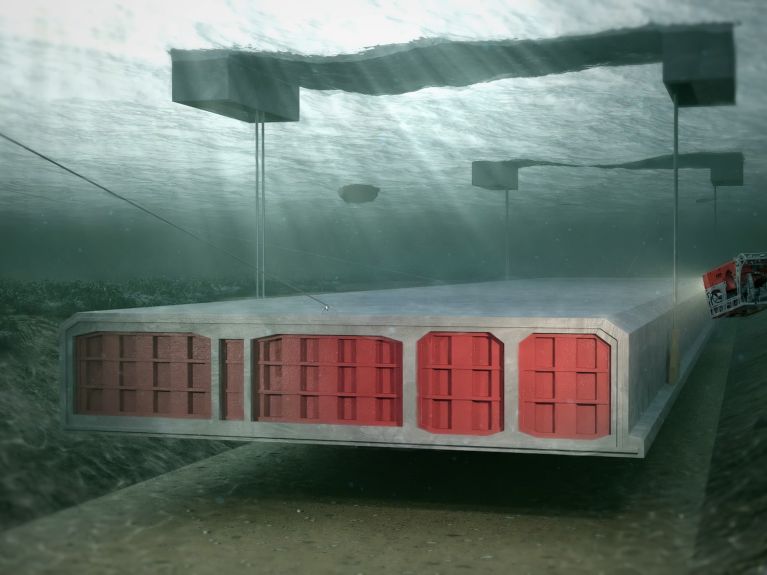
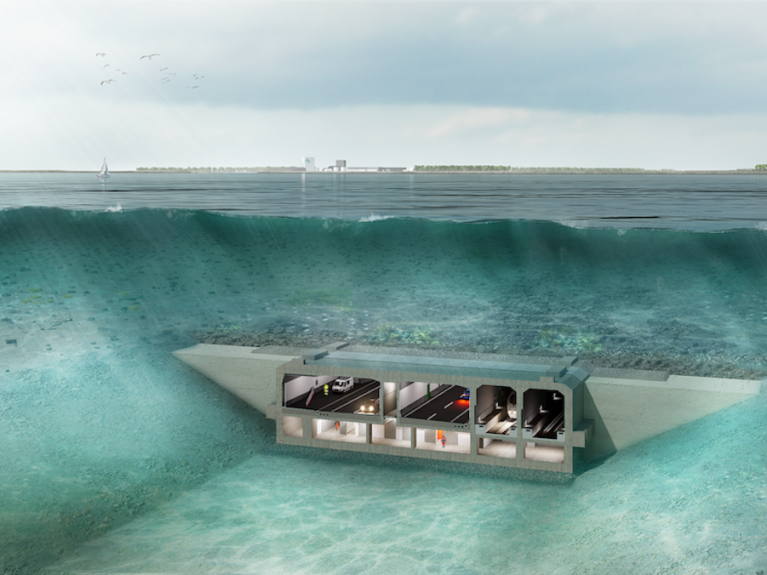
It closes one of the last major gaps in the trans-European transport network and creates a fixed, weather-independent connection between Scandinavia and Central Europe. Trains should in future be able to cross the Fehmarn Belt in around seven minutes, vehicles in around ten. The journey by train from Hamburg to Copenhagen will be reduced from five to around two and a half hours. The tunnel accommodates two electric railway tracks and a four-lane motorway within four separate tubes. It will become one of Europe’s most important north-south axes that links Scandinavia with Germany and the Mediterranean region.
Dieses YouTube-Video kann in einem neuen Tab abgespielt werden
YouTube öffnenThird party content
We use YouTube to embed content that may collect data about your activity. Please review the details and accept the service to see this content.
Open consent formWho is investing in the Fehmarnbelt Tunnel?
Denmark bears full financial responsibility based on a treaty with Germany. The construction work is being financed via state-guaranteed loans and EU subsidies. Once the tunnel opens, the loans will be repaid using the revenue from tolls and track access charges, with repayment scheduled to take around 36 years. This model is referred to as user financing: those who use the link also pay for it.
What expertise are German companies contributing to the project?
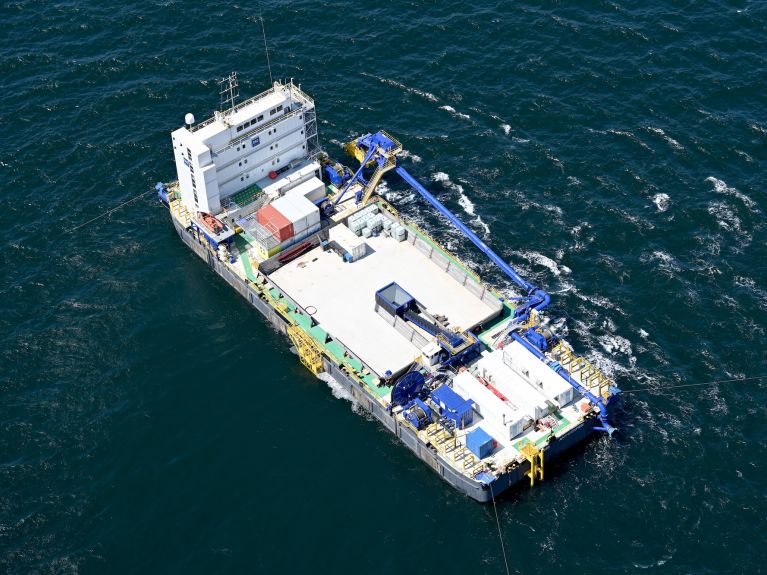
German construction and engineering companies as part of international consortia are involved in the project, including Wayss & Freytag and Max Bögl. They are performing key tasks in tunnel and specialised civil engineering, as well as in the manufacture and connection of solid concrete elements. Their experience with major projects is decisive in the accurate placement and secure fixation of the huge tunnel modules on the seabed.