“Many preserve customs that have become rare in Germany nowadays”
German minorities in Transylvania, Upper Silesia or Kazakhstan. Cultural studies expert Karoline Gil from ifa - Institut für Auslandsbeziehungen explains what characterises these groups to this day.
 Interview: Ina Brzoska
 Ms Gil, many people around the world have German roots. Who do you mean when you talk about German minorities in eastern Europe and central Asia?
We are talking about German minorities that have evolved historically in central and eastern Europe and in central Asia. In many cases, their ancestors had been living in these regions for centuries, having resettled there as skilled workers or becoming minorities when borders were redrawn after the two world wars. To this day, these groups cultivate the German language, their traditions and their shared history. Despite experiencing repression or discrimination, especially just after the Second World War and until the Soviet Union collapsed, many people kept their language and cultural traditions alive, at least in the privacy of their homes. We estimate that there are now around 1 to 1.5 million ethnic Germans in eastern Europe and central Asia.
How do German minorities differ from those with German roots - in the USA, Brazil or Argentina, for example?
The difference lies in their historical and political status. German minorities in Europe and central Asia have been living in permanent settlement areas for generations and tend to be officially recognised there. They have their own organisations, media and schools, as well as a visible cultural identity in the public sphere. They were particularly affected by the consequences of the Second World War. The fate they suffered as a result of the war meant that those who found themselves behind the Iron Curtain after 1945 were cut off. In many cases they were unable to preserve their language and culture in public and suffered widespread discrimination, except for example in Transylvania in Romania.
It was only thanks to the political shift in 1989 that German minorities were again able to publicly show and further develop their structures. To promote positive relations between minorities and the majority population, they receive support from Germany in the form of programmes and funding.
Which groups immediately spring to mind on account of their customs and traditions?
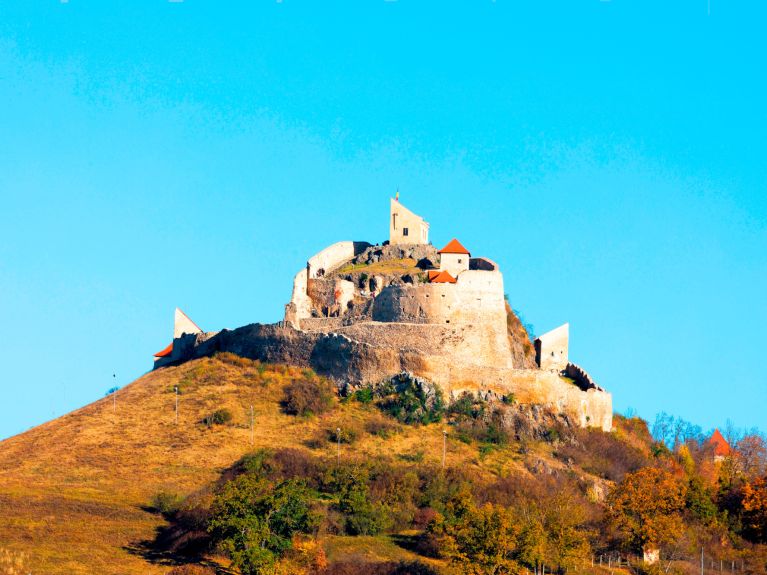
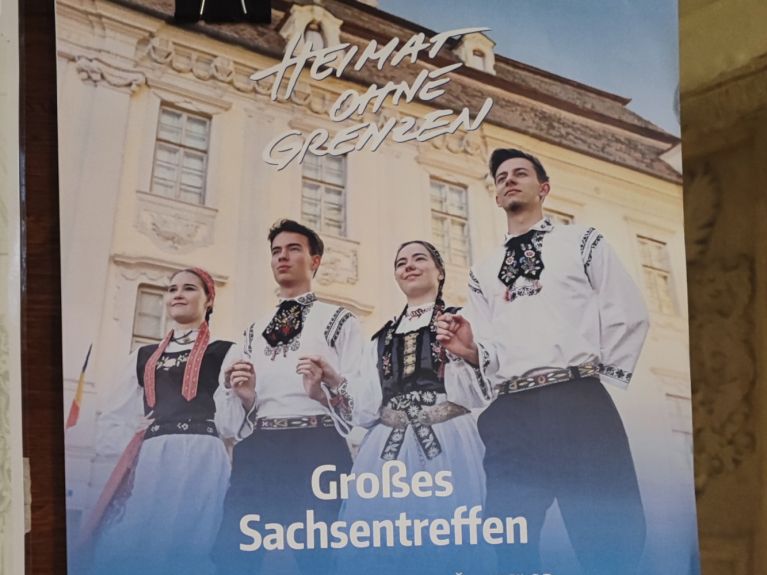
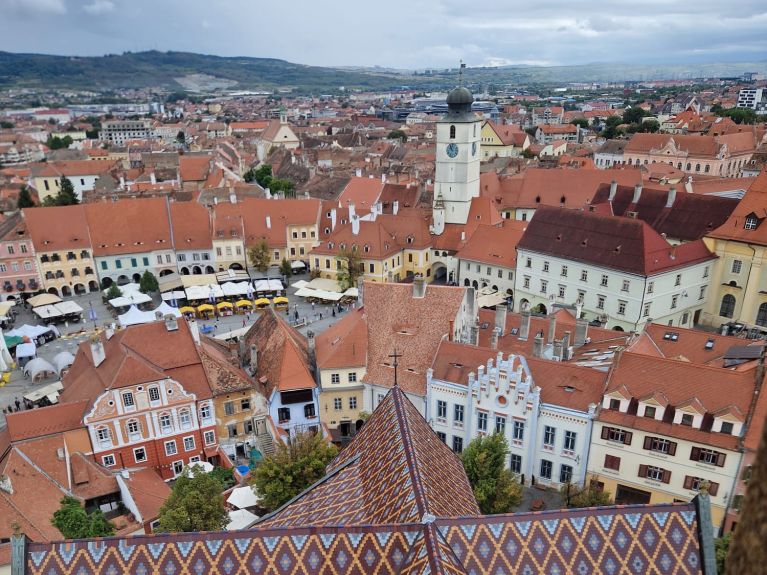
The Transylvanian Saxons are a good example. The minority attaches great importance to education and is very professionally organised; it is also committed to democracy. Although they account for only around one percent of the Romanian population, they are very well acknowledged and participate actively in politics. Their fortified churches are also testimony to the long history of the German minority and are characteristic of the landscape in Transylvania, this region in central Romania. The Kazakhstan Germans are one of the largest groups among the German minorities. Their family histories often involve traumatic events such as multiple deportations.
What holds these groups together?
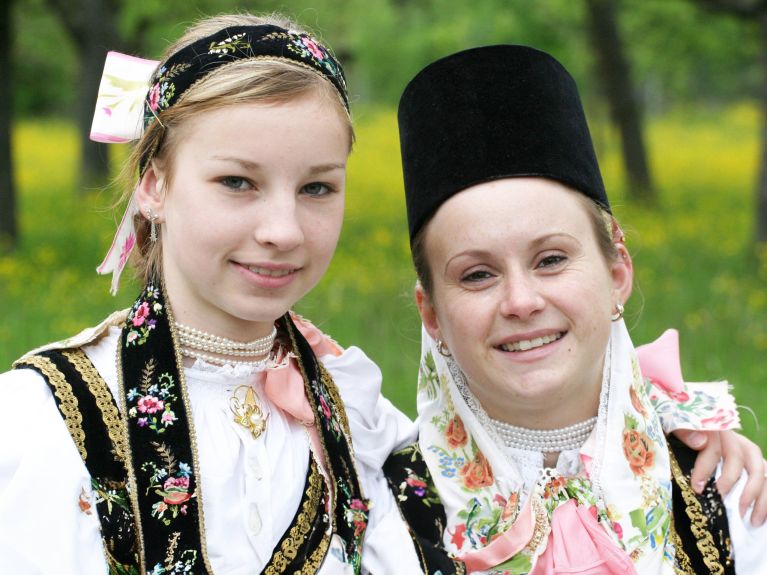
Many preserve customs that have become rare in Germany nowadays. Some of their customs are hundreds of years old. For many young people, these traditions aren’t by any means old-fashioned but an integral part of their identity. At the same time, they actively contribute with contemporary cultural offerings that are also open to the majority population, conveying an authentic and modern image of Germany and the German minorities.
How does Germany support these minorities?
Germany embraces its historical responsibility and promotes language, culture and civil society structures. The ifa - Institut für Auslandsbeziehungen takes concrete steps to achieve this: since the 1990s, we have deployed young experts from Germany, awarded scholarships, funded projects in the countries in question and developed online services. The goal is for the minorities to pass on their language and build bridges to the majority population. This is also intended to foster work with the younger generation and allow media structures to develop further.
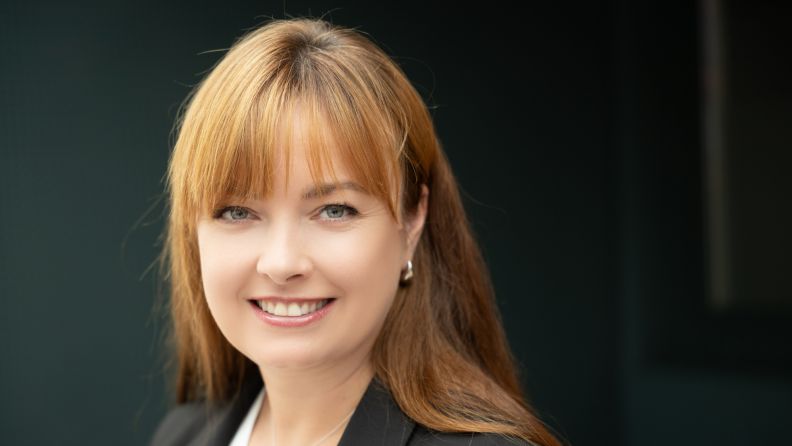
At ifa – Institut für Auslandsbeziehungen, cultural studies expert Karoline Gil heads the department for German minorities, which runs programmes to strengthen their cultural, linguistic and civil society structures.