How diverse German can sound
German is spoken only in Germany? You couldn’t be more wrong. German is still alive and well in Brazil, Papua New Guinea and Namibia.
 Luca Rehse-Knauf
 German is an official language in Germany, Austria, Liechtenstein, Luxembourg, Belgium and Switzerland. However, it is also spoken far beyond their national borders - often in a rather unique way: as a dialect that continues to be cultivated, or as a linguistic blend full of interesting neologisms. Such “linguistic enclaves” are testimony to migration, cultural exchange and colonial history.
Namibia: Namdeutsch
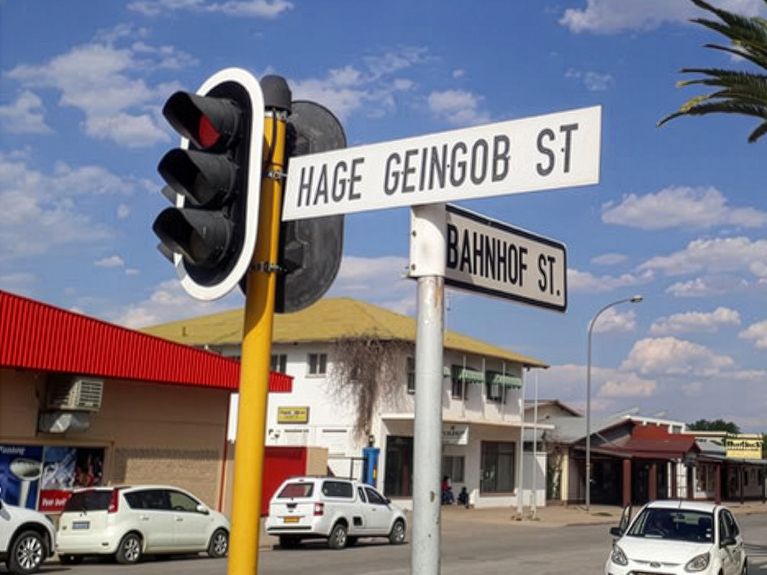
During German colonial rule from 1884 to 1915, a variety of German evolved in Namibia. “Namdeutsch” is a mixture of standard German, Afrikaans and English. It is characterised by neologisms and a creative approach to sentence structure that draws on the grammar systems of the languages influencing it. Namdeutsch sounds softer, lighter and smoother than standard German; like in Afrikaans, the syllables are more evenly distributed. It is estimated that Namdeutsch is still spoken by roughly 20,000 people. In many places, the language continues to shape Namibian urban landscapes and public life to this day, with everything from street names and advertising billboards to German-language media. Namdeutsch is constantly evolving, with young people these days speaking “Namslang”. Although it includes many new words, it can still be understood reasonably well by young native German speakers.
Papua New Guinea: Unserdeutsch
Unserdeutsch is the only known German-based creole language. It emerged in missionary schools in the then German colony of German New Guinea in the early twentieth century. The language combines German grammar with Melanesian intonation and local languages such as Tok Pisin. It sounds soft, rhythmic and melodious. This language variety was only discovered and documented in the 1970s. According to estimates, it is spoken by fewer than 100 people and is thus considered highly endangered. Researchers are endeavouring to document this unique language form from Oceania.
Brazil: Hunsrückisch
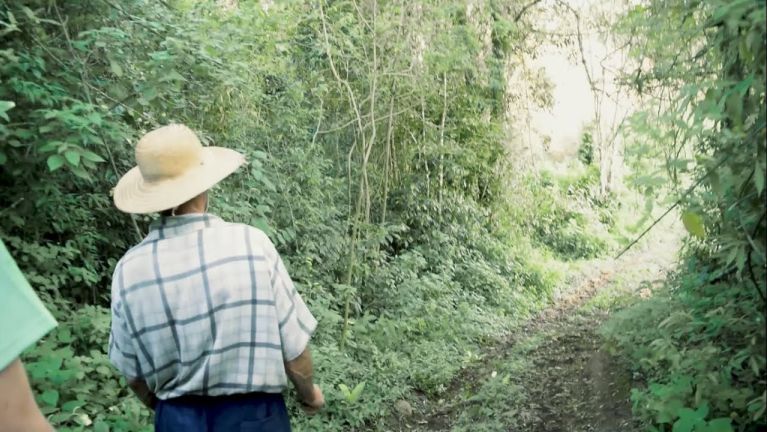
In the nineteenth century, many people from the Hunsrück region and other parts of Germany emigrated to southern Brazil. This resulted in “Riograndenser Hunsrückisch“, a German dialect that is spoken to this day in Brazilian states such as Rio Grande do Sul. Hunsrückisch sounds like a Rhenish dialect scattered with Portuguese words and Brazilian sentence rhythms. The dialect has survived despite political oppression during the Second World War and today is even experiencing something of a minor renaissance – thanks among other things to cultural projects and language associations. The University of Eichstätt estimates that between 400,000 and 1.3 million people in southern Brazil still speak the dialect.
Dieses YouTube-Video kann in einem neuen Tab abgespielt werden
YouTube öffnenThird party content
We use YouTube to embed content that may collect data about your activity. Please review the details and accept the service to see this content.
Open consent form

